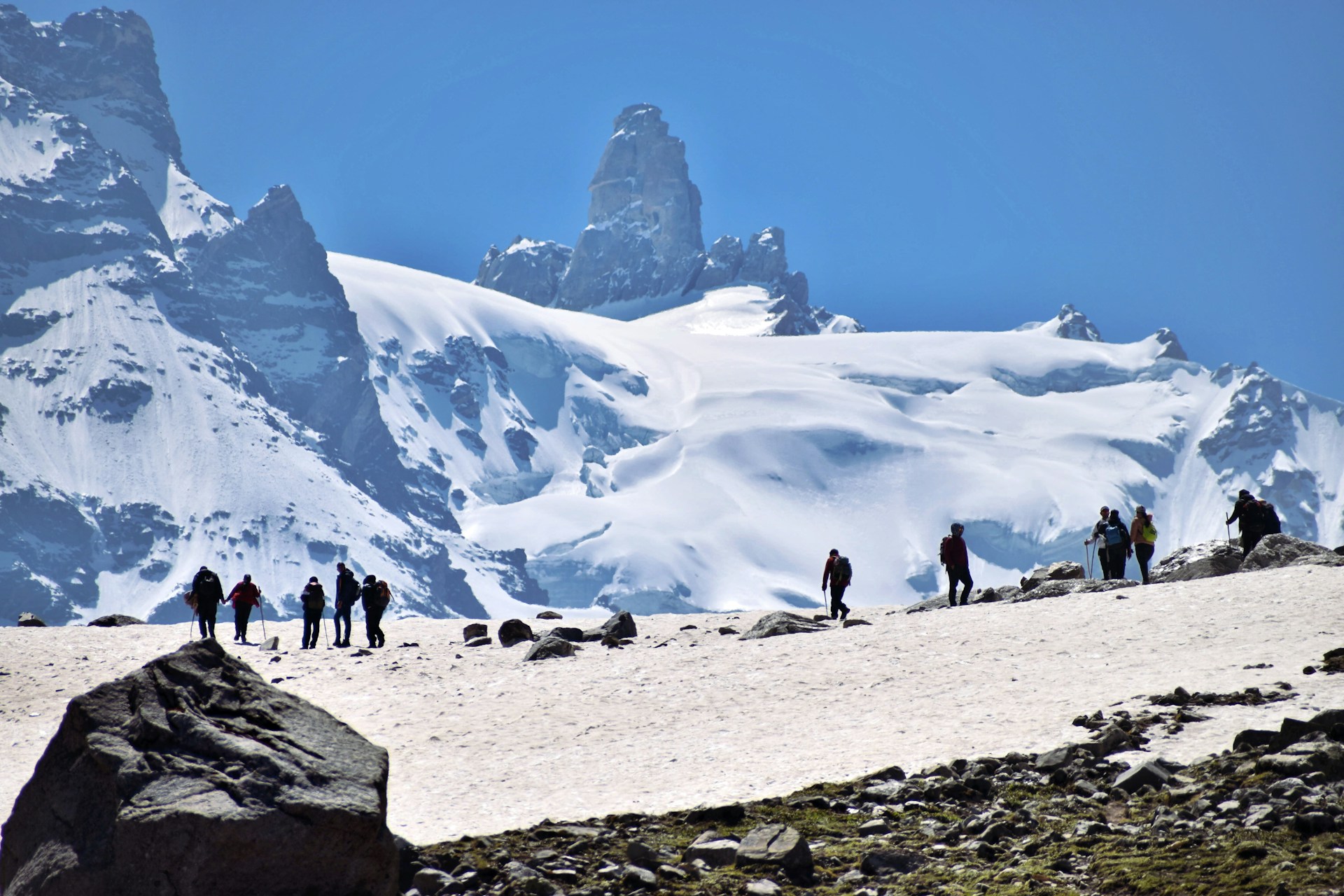
Some Himalayan treks are about reaching a high summit, while others are about the journey through the mountains. The Hampta Pass trek belongs to the latter. It is a Himalayan crossing that takes you through changing terrain, from the green valleys around Manali to the dry mountains of Lahaul.
The route begins in the Kullu Valley near Manali and crosses the 4,270-metre Hampta Pass before descending into Lahaul. Along the way, the surroundings shift from forests, meadows, and streams to rocky slopes, high-altitude valleys, and snow-covered peaks. The change is so sudden that it is one of the most memorable parts of the trek.
Hampta Pass is especially popular with trekkers who want to experience a high-altitude Himalayan crossing without spending a week or more on the trail. The Himachal Pradesh government lists it as a medium-difficulty trek, with a minimum duration of four days.
Enroute Hampta Pass
Hampta Pass lies in Himachal Pradesh, on the Pir Panjal range, between the Kullu and Lahaul valleys. Manali is the usual base. From here, trekkers drive towards Jobra, the roadhead for the trek. The route then passes through Chika and Balu Ka Ghera before reaching Hampta Pass. On the other side, the trail drops towards Shea Goru and continues to Chatru in the Lahaul Valley.
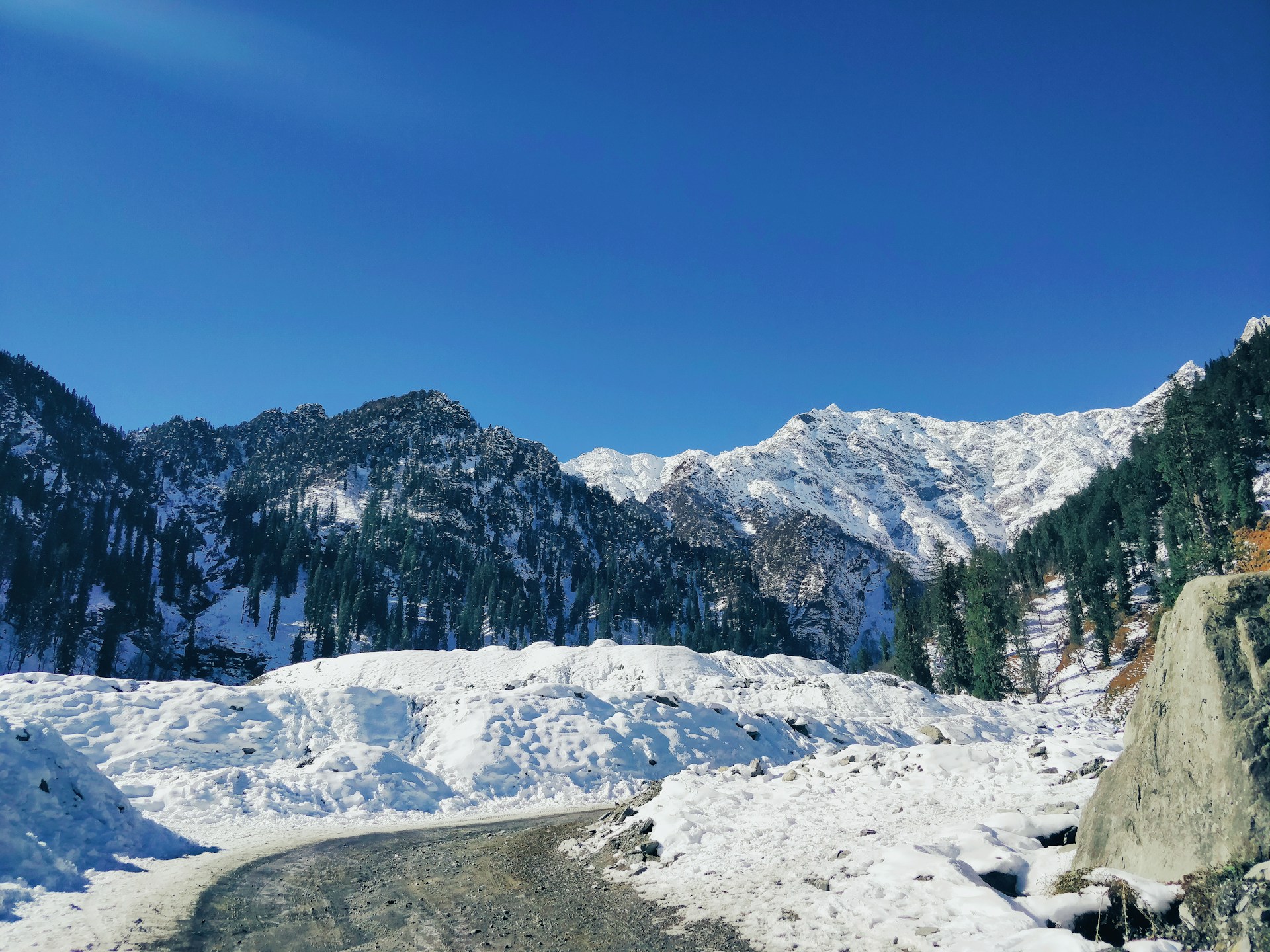
The walk starts gently at Jobra. The first section follows the Rani Nallah through forest and open patches of grass. Pine, deodar and other mountain trees line parts of the trail, while the sound of running water remains close by. As you move higher, the forest gradually gives way to wider meadows.
Chika is one of the first major camping areas. The valley here is enclosed by mountain slopes, with streams and waterfalls appearing around the trail. From Chika, the landscape becomes more open as the route follows the river towards Balu Ka Ghera.
Balu Ka Ghera is a broad, relatively flat area surrounded by mountains. The name is commonly associated with its sandy, gravelly terrain. By this point, trees have largely disappeared and the trail feels more exposed. Depending on when you travel, you may find patches of snow around the higher slopes, while the lower meadows can still have flowers.
From Balu Ka Ghera, the trail climbs steadily towards Hampta Pass, passing over rocky ground, scree and, early in the season, snow. The final path can feel steep because there are several bends and false rises before the pass finally comes into view.
Then the landscape changes.
From the pass, the green Kullu side gives way to the dry mountains of Lahaul. The slopes on the Lahaul side are largely brown, grey, and rocky, with much less vegetation. This happens because the Pir Panjal forms part of the climatic divide between the wetter Kullu side and the rain-shadow landscape towards Lahaul and Spiti.
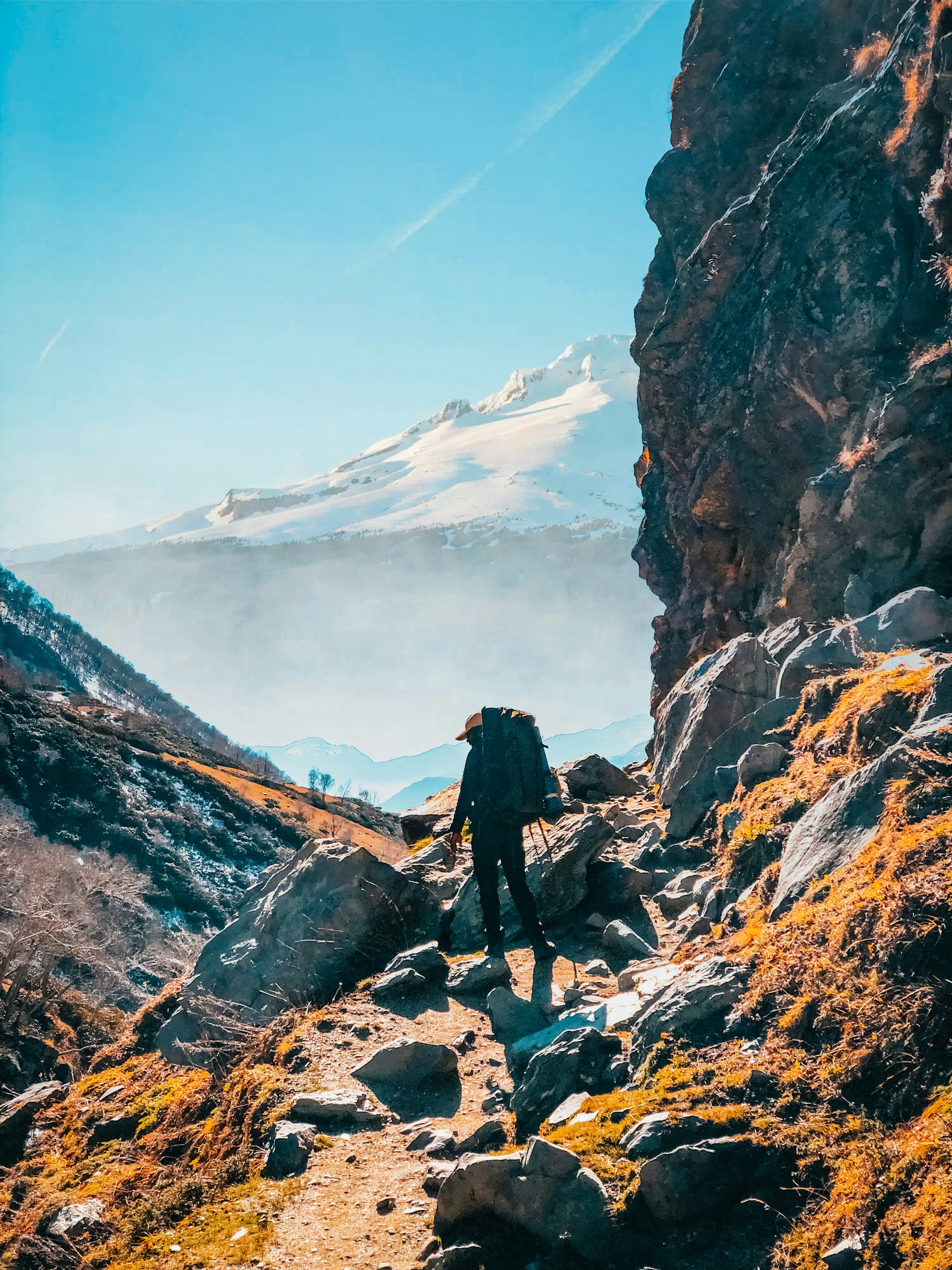
The descent takes you towards Shea Goru, a high-altitude camping area surrounded by rocky mountains. From there, the trail eventually reaches Chatru beside the Chandra River. The trek usually ends here, with a road journey taking trekkers back towards Manali.
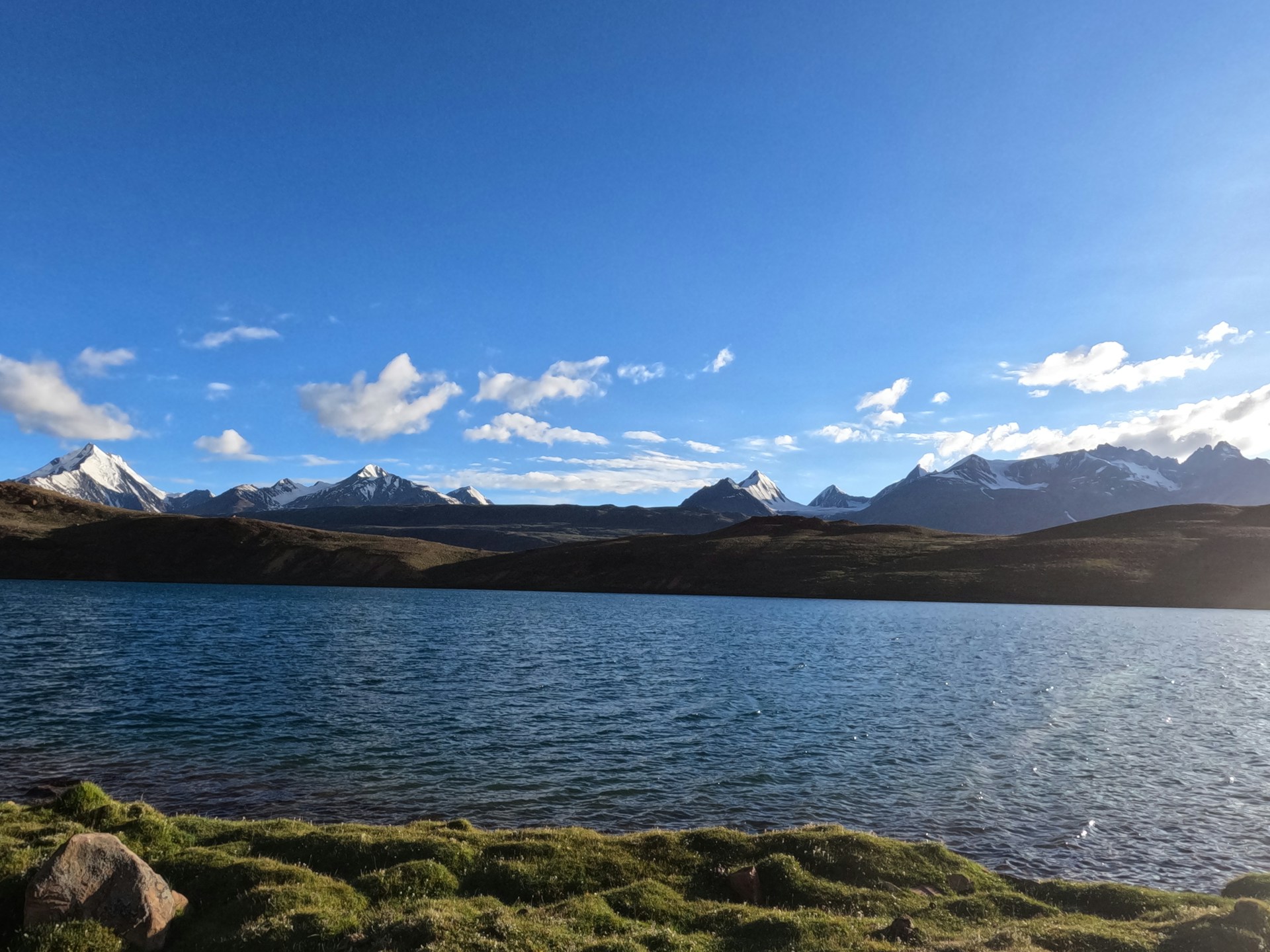
Many trips add Chandratal Lake after the trek. It is not part of the actual Hampta Pass crossing, but the lake is close enough to Chatru to make it a popular addition.
How do you get to Hampta Pass?
You first need to reach Manali. The hill town is connected by road with Delhi, Chandigarh and other cities in north India, while the nearest major airports are around Bhuntar and Chandigarh. From Manali, the trailhead at Jobra is reached by road, usually in a local vehicle or a vehicle arranged by a trekking operator.
For most travellers, joining a guided group is the simpler option. Trek operators generally arrange the Manali-to-Jobra transfer, camps, meals, guides, and the return transport from Chatru. Independent trekking is possible, but this is a high-altitude route with river crossings, changing weather and parts where there is no road access, so it requires considerably more preparation.
How many days do you need?
The actual crossing can be completed in four trekking days, which is also the minimum duration listed by the Himachal Pradesh government. A common version starts at Jobra, continues to Chika and Balu Ka Ghera, crosses Hampta Pass to Shea Goru, and then finishes at Chatru.
In practice, a complete trip usually takes around five to six days from and back to Manali, depending on the operator and whether Chandratal is included. Some tours are of five days, while others add an extra day for the lake or for acclimatisation.
The distance on foot varies slightly with the route and camps, but it is generally around 25–30 km. The altitude might be an issue for some as the crossing reaches more than 4,200 metres, and the summit day combines a long climb with a steep descent.
Surrounding mountains to explore
One of the pleasures of Hampta Pass is that you are not simply walking through valleys. Several major Himalayan peaks appear along the route.
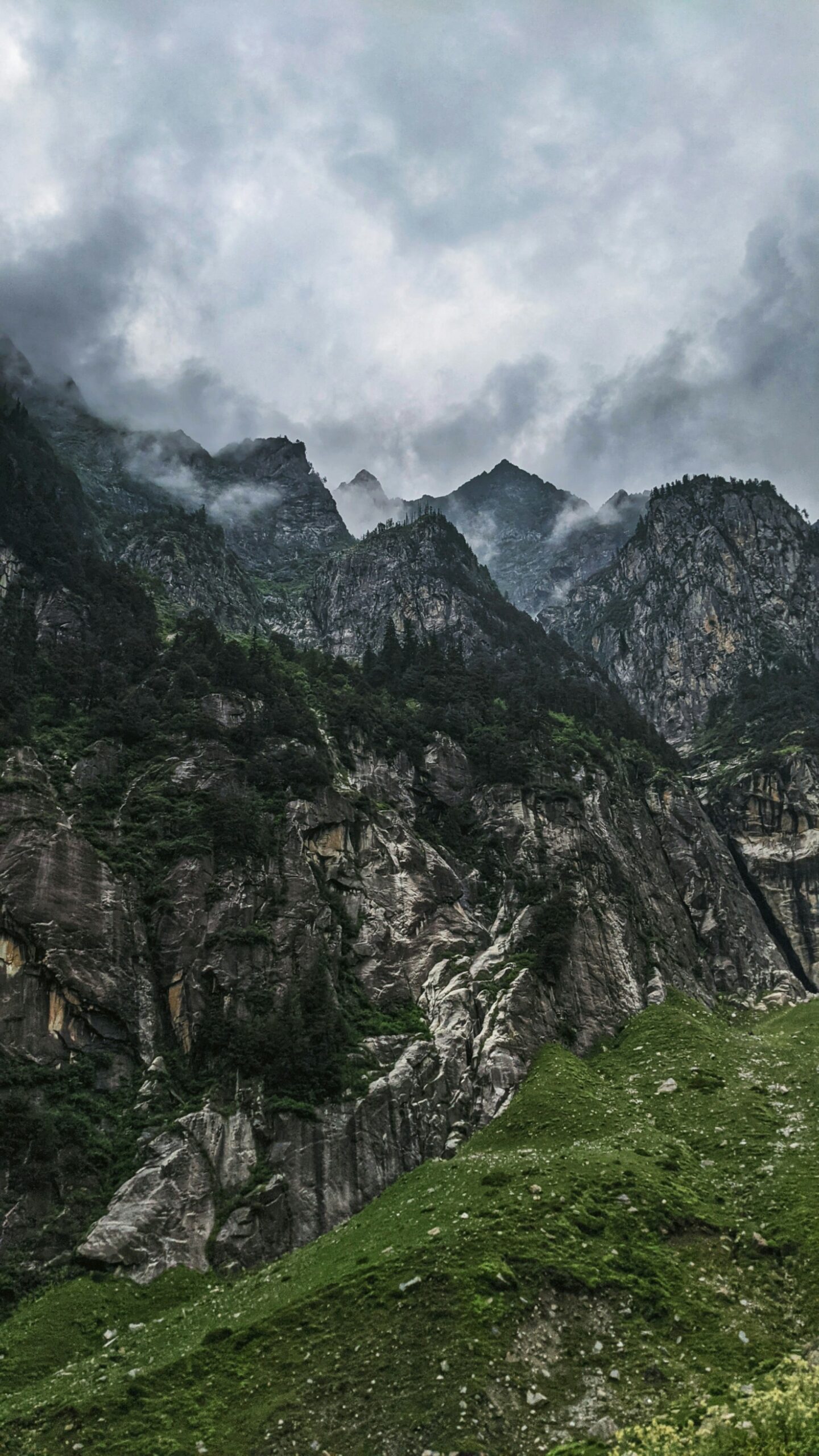
The two most prominent are Indrasan and Deo Tibba. Indrasan rises to about 6,221 metres, while Deo Tibba reaches around 6,001 metres. Their snow-covered faces become particularly noticeable from the higher sections of the trek and around the pass.
Other mountain ranges and peaks can also come into view depending on weather and the exact part of the trail, including the Dhauladhar, Chandra-Bhaga and Mulkila ranges, as well as peaks such as Shigri Parvat and Kullu Pumori.
The views are often clearest in the morning. Clouds can move quickly through the valleys, so a peak that is visible one moment may disappear behind mist a few minutes later.
History behind the trail
Hampta Pass was not created as a trekking route for tourists. Mountain passes such as this have traditionally been used by local communities moving between valleys. Shepherds, including Gaddi communities, have used high mountain routes to move their animals towards seasonal grazing grounds. The pass connects the Kullu side with Lahaul and sits along an old route between the two regions.
There are also local and religious stories associated with the name Hampta. Some accounts connect it with a sage or rishi named Hampta who is believed to have meditated in the area. Such stories are part of ancient tradition of associating Himalayan landscapes with sages, deities, and pilgrimage routes, although the historical origin of the name is not firmly documented.
What is clearer is the practical importance of the pass. Long before it became a well-known trekking destination, it was a route across the mountains used by people familiar with the terrain.
What makes Hampta Pass different?
The biggest attraction is the change of landscape. Few Himalayan treks offer such a clear transition within a few days.
On the Kullu side, you walk beside streams through green valleys. The trail passes forests and meadows, with water as its constant companion. Higher up, vegetation becomes sparse and the mountains become more exposed.
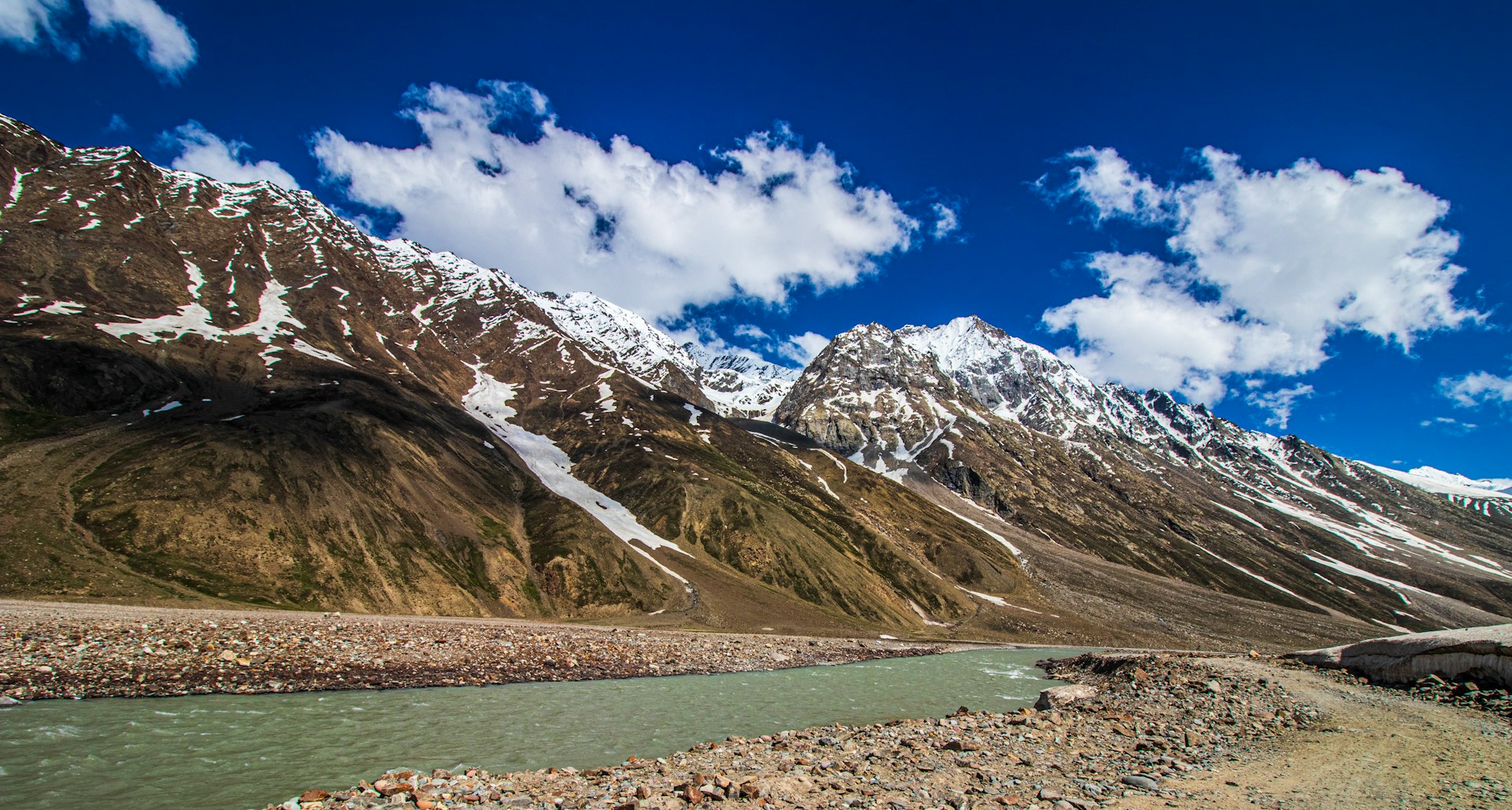
Then you cross the pass and descend into Lahaul. The grass disappears, the slopes turn rocky and the valley opens out around the Chandra River. The contrast is especially striking when you look back towards the route you have just crossed.
There are also river crossings along the trail. Melting snow feeds the streams during the trekking season, and their size can change depending on the weather and time of year. The hanging glaciers and high peaks visible from the upper trail add another dimension to the landscape.
When is the best time to go?
The main trekking season is from June to September or early October, although exact opening and closing dates can change according to snow and weather conditions. The Himachal Pradesh government currently categorises Hampta Pass as a seasonal trek rather than a year-round route.
June is interesting if you want to see more snow around the pass. Snowmelt, however, can also make streams stronger and crossings more difficult.
July and August bring greener lower valleys and flowering meadows, but monsoon weather can affect the Kullu side. Rain can make trails slippery and increase the risk of landslides.
September is often a good choice for clearer skies and more stable conditions, although temperatures drop as the season progresses.
But can you do Hampta Pass in winter? Not as a normal trekking route. Heavy snowfall covers the high altitudes, and the pass can become inaccessible. Winter conditions are substantially different from the summer trekking season, and the standard crossover route is generally closed rather than operated as a regular trek. So, if Hampta Pass is on your list, plan around the summer-to-early-autumn trekking window rather than trying to turn it into a winter trek.
Do you need a ticket or permit?
There is no sightseeing ticket in the usual sense. However, trekking regulations and forest permissions can apply, and the exact requirements can change. The Himachal Pradesh government’s trekking portal lists Hampta Pass as an official trek and provides its altitude, difficulty, and minimum duration.
If you book through an established trekking operator, permits and local permissions are normally handled as part of the package. You should still carry a valid government-issued photo ID.
There is also a separate vehicle permit and congestion-charge system for vehicles visiting Hamta Pass, with requirements including valid ID, vehicle documents, and a pollution certificate. This applies to vehicles rather than to someone simply joining the standard trekking route from Jobra, so it is important not to confuse the road permit with the trek itself.
For organised treks, prices vary according to the operator, inclusions, and whether transport and Chandratal are included. Current 2026 packages range broadly from about INR 8,000-17,000 or more per person.
Hampta Pass is ultimately less about reaching a single summit and more about crossing from one Himalayan world into another. You start among forests and green meadows near Manali, climb through a high mountain corridor and then walk down into the dry valleys of Lahaul. In just a few days, the mountains change colour, vegetation disappears, and even the character of the landscape changes. That is the experience that keeps Hampta Pass among Himachal Pradesh’s best-known crossover treks.