Worcestershire, in the heart of England, offers an opportunity to take a break away from the bustle of city life. With rolling hills, ancient woodlands, riverside towns and historic country estates, there is plenty to discover here, without feeling the need to rush from one place to the next.
The county is steadily building its appeal as a rural getaway, giving visitors reasons to stay beyond a day trip. Whether it is a weekend of exploring footpaths or a longer stay in a country cottage, Worcestershire offers the chance to experience a quieter side of England.
Walks that take you beyond the landscape
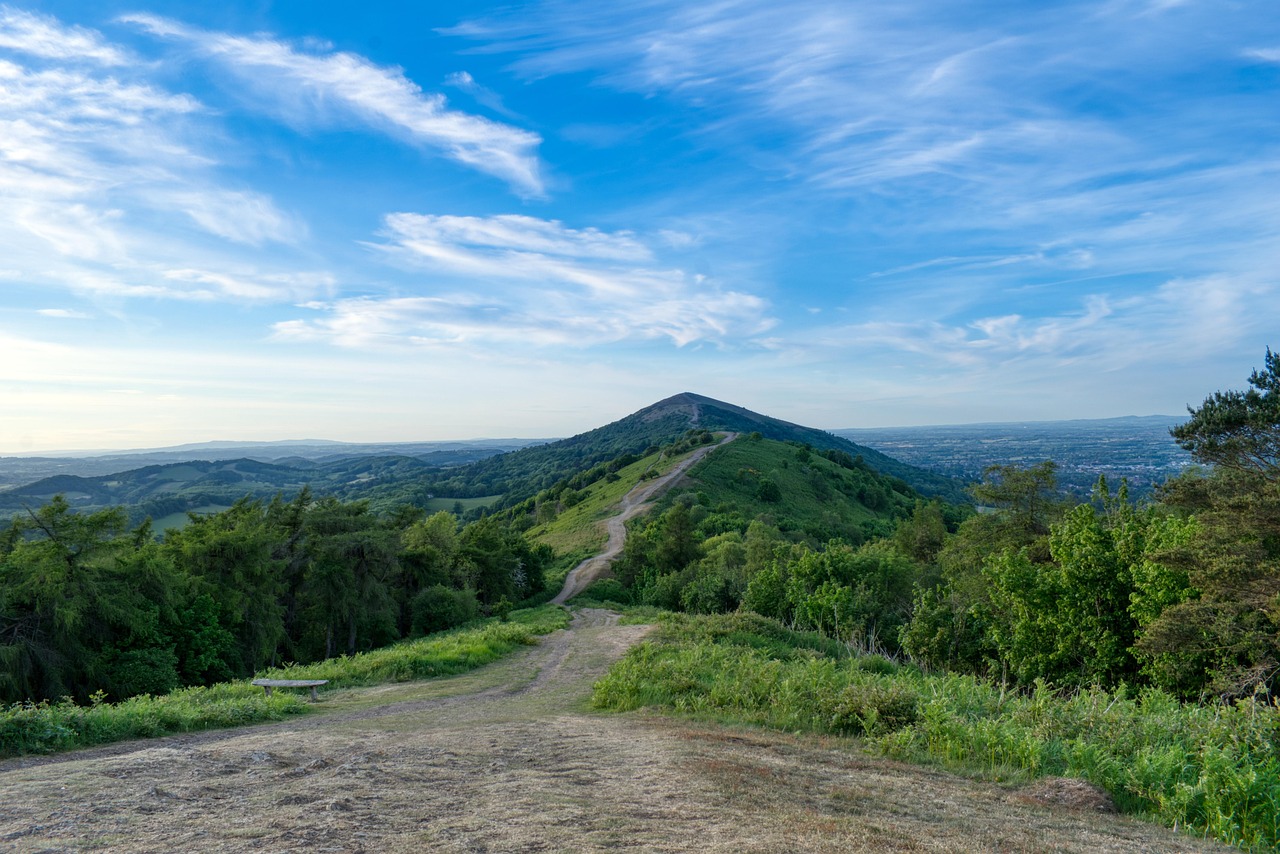
If you love exploring a new place on foot, Malvern Hills are an excellent place to begin. Stretching along the edge of the Severn Valley, this range of ancient hills offers a choice of walking trails, from gentle routes along the lower slopes to more difficult climbs across the ridge. The reward is a changing panorama of fields, wooded slopes and distant hills, with views reaching into Herefordshire and, on clear days, towards the Black Mountains of Wales.
The highest point in the range, Worcestershire Beacon, stands at 425 metres. Reaching the summit is truly satisfying, but there is no need to turn it into a strenuous hike. A circular route from Beacon Road takes in the western slopes, Happy Valley and St Ann’s Well, where walkers can pause for refreshments before continuing along the eastern side of the hills. The views change as the path curves around the landscape, taking in Great Malvern and the Worcestershire Plain below.
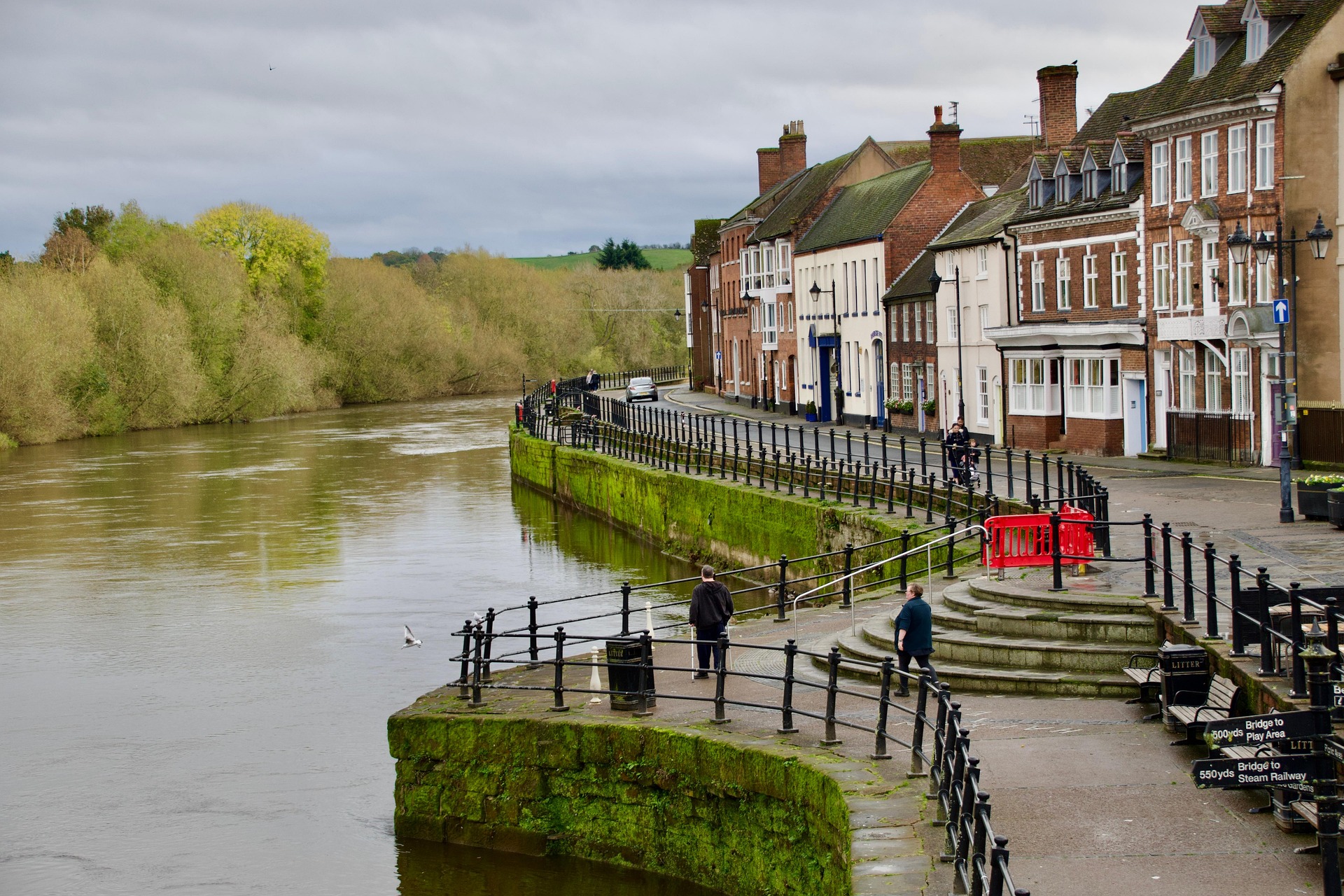
Wyre Forest, near the Georgian riverside town of Bewdley, offers a different kind of an experience. Here, paths wind beneath a canopy of trees, with birdsong and the sounds of the forest replacing the open views of the hills. The woodland is home to varied wildlife, and visitors can choose a short stroll or a longer walk through the trees.
Those who want to explore further can follow parts of the Worcestershire Way or the Wychavon Way, both of which reveal the county at a slower pace. The Severn Way offers another scenery, with riverside stretches and opportunities to stop in towns along the route. Together, these trails show how varied walking in Worcestershire can be: a hilltop climb one day, a shaded woodland path or a leisurely river walk the next.
A county with stories to tell
Worcestershire’s countryside is not simply a backdrop for outdoor activities. Its hills and estates carry traces of people who have lived in and shaped the region over centuries.
Malvern Hills, for instance, have a long human history, with ancient earthworks still visible at hillforts such as the British Camp. These remains add an intriguing dimension to a walk, offering a glimpse of how the high ground was once used and defended. Later, Great Malvern developed a reputation as a spa town during the Victorian era, attracting visitors to the area’s spring water and health treatments.
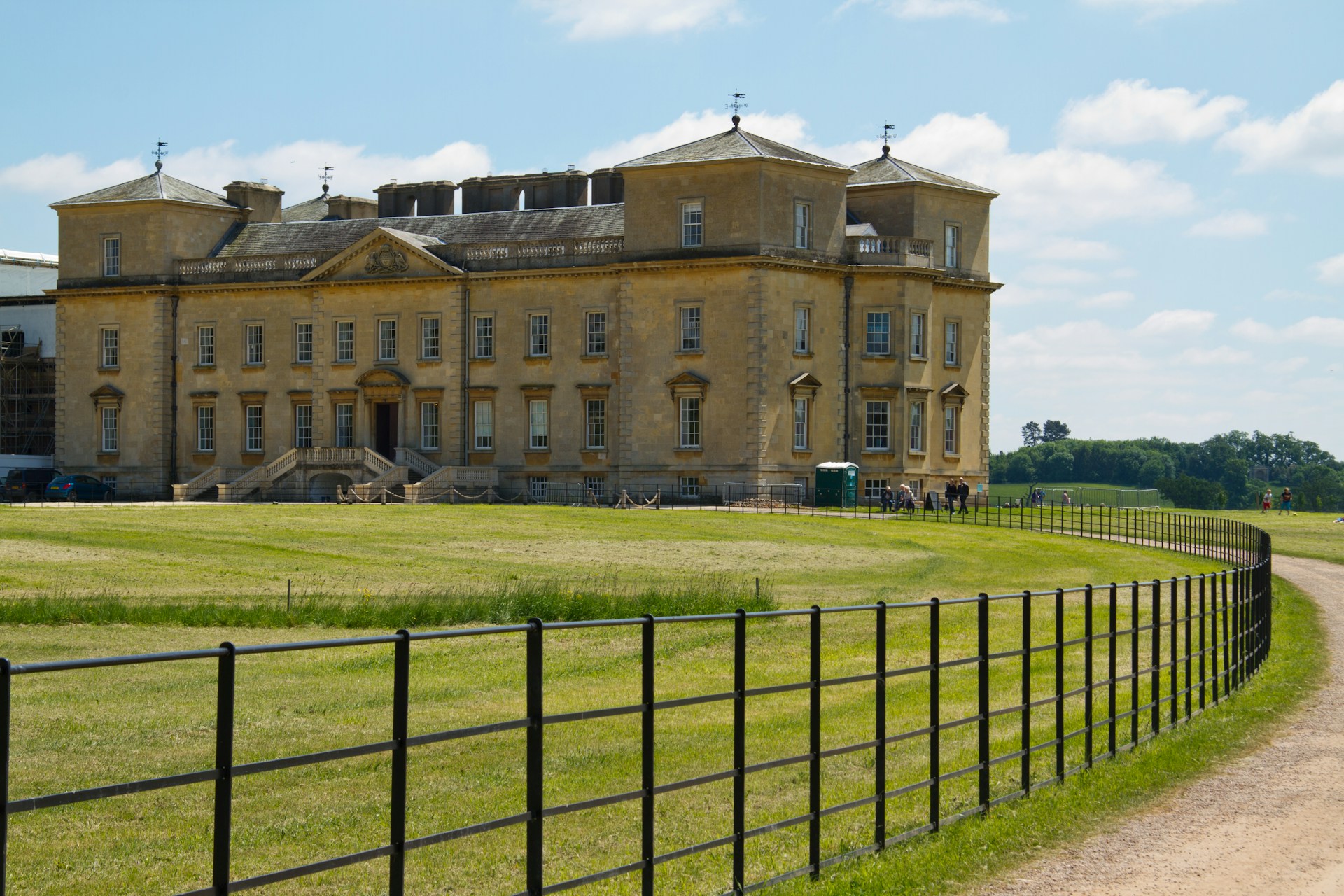
Country estates offer another way to explore the region’s history. Croome, an iconic country estate now owned and managed by the National Trust, is a good place to start. The landscape was shaped by renowned 18th-century designer Capability Brown and is home to an elegant mansion surrounded by extensive parkland, scenic gardens, a lake and ornamental buildings scattered across the grounds. Visitors can explore the house, learn about the estate’s past and follow the walking paths enjoying a relaxed afternoon.
Countryside, gardens, and heritage attractions
Croome is particularly well suited to a relaxed countryside day. Visitors can wander through its parkland, discover ornamental features and enjoy views across the grounds without needing to follow a packed itinerary. The historic house adds another layer to the visit, while the surrounding paths make the estate appealing to those who like combining heritage with time outdoors.
Another worthwhile stop is Witley Court and Gardens. The remains of this once-grand country house create a striking setting, while the gardens retain a sense of the estate’s former scale and ambition. One of the highlights is the monumental Perseus and Andromeda fountain, which brings a dramatic focal point to the grounds. The ruins, gardens and surrounding countryside make this a good alternative to a day spent entirely on walking trails.
For a different experience, the Severn Valley Railway runs heritage steam trains through the Severn Valley, connecting Kidderminster with destinations including Bewdley and Bridgnorth. The journey offers a nostalgic way to see the countryside, and Bewdley itself is worth exploring for its Georgian buildings, riverfronts and cafés. It is an easy way to add a little variety to a rural break without straying far from the mainland.

Rivers, forests, and outdoor adventures
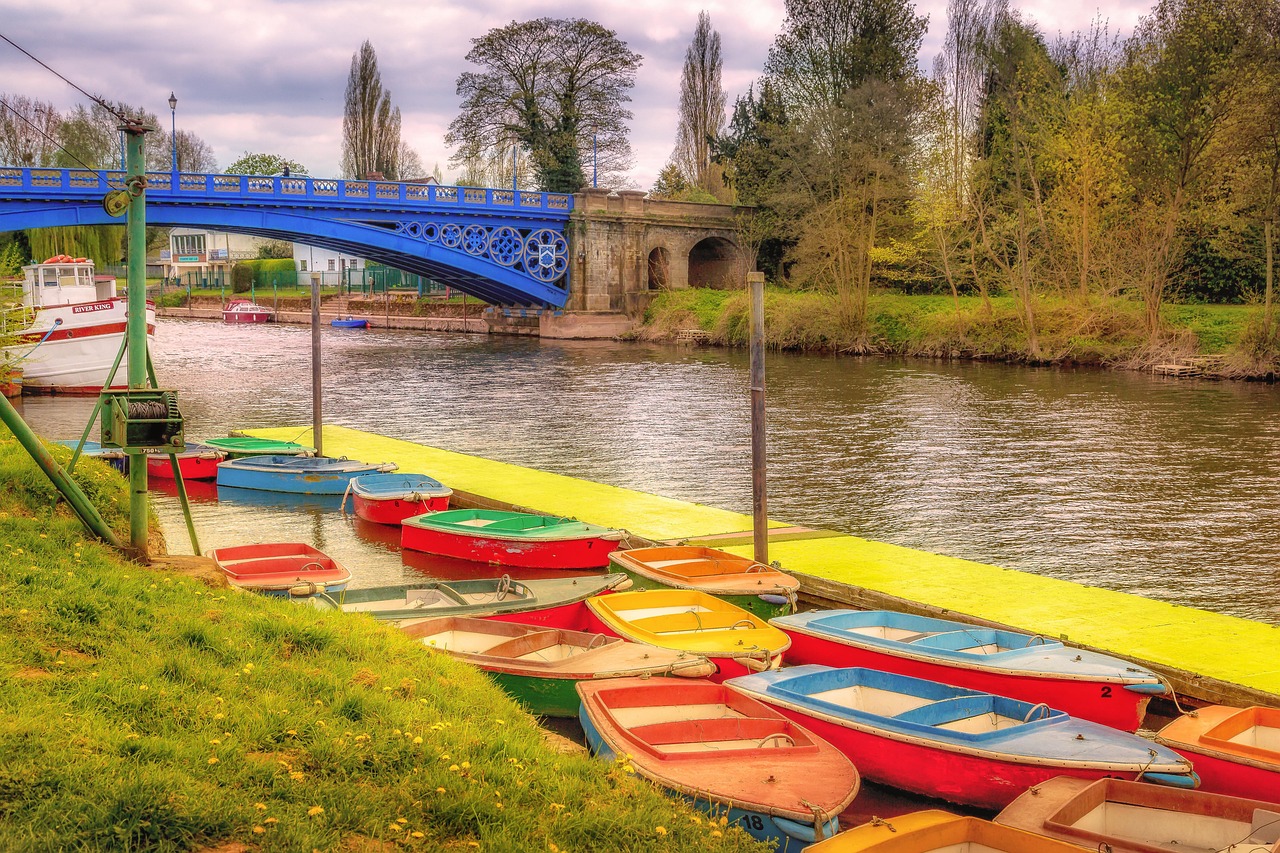
Worcestershire’s outdoor appeal extends well beyond its walking trails. The River Severn, which runs through the county, provides a different feel for a day out. In Bewdley, the riverside is a natural place to pause, watch the boats and enjoy the view of the water against the town’s historic buildings. Further along the river, Stourport-on-Severn offers a glimpse of the area’s canal and boating heritage, with waterways that once played an important role in local trade.
Cycling is another option for visitors keen to cover more ground, while the Wyre Forest offers opportunities for wildlife watching and woodland exploration. Those travelling with family or looking for something more active can also find outdoor adventure experiences in the wider area.
The choice makes Worcestershire suitable for different kinds of rural holidays, whether the plan is to fill the day with activity or simply spend a few hours outside before settling down for a relaxed evening.
Local flavours and a place to stay
A countryside break would feel incomplete without time to enjoy the food and hospitality of the region. In Worcestershire, traditional country pubs, modern cafés and local food producers offer natural stopping points between walks and visits. The county’s agricultural heritage also gives its local cuisine a strong connection to the seasons, from locally grown produce to fruit associated with the Vale of Evesham, an area known for its orchards and horticulture.
The best way to experience this side of the county is not necessarily through a formal food trail. It might be lunch at a village pub after a morning’s walk, coffee in a small market town or a visit to a local producer. These simple stops help make a rural holiday feel connected to the place rather than just its attractions.
Accommodation can be part of that experience, too. Country cottages, farm stays, bed-and-breakfasts and country-house properties provide different ways to settle into the surroundings. A cottage makes a useful base for exploring several walking routes, while a rural guesthouse can offer a more personal connection with the place. Choosing somewhere outside a larger town may also bring the pleasure of waking up to open fields, quiet lanes and countryside on the doorstep.
Why Worcestershire makes sense for a rural break
Worcestershire’s appeal lies in the way its experiences fit together. Visitors can spend a morning walking along a hill ridge, an afternoon exploring a historic estate and the evening enjoying a meal in a country pub. The next day might bring a woodland trail, a riverside stroll or a steam-train journey through the Severn Valley.
There is no need to plan every hour or travel long distances between different kinds of experiences. The county offers enough variety to keep a short stay interesting, while leaving room for the slower moments that make a rural holiday worthwhile. For travellers looking to step away from the pace of city life, Worcestershire provides a nice choice to give yourself time to enjoy the journey.