Iceland is a country that seems to have been shaped by extremes. One day you are standing beside a roaring waterfall, the next you are walking across an ancient lava field. Glaciers meet volcanoes, black sand beaches stretch for miles, and steaming hot springs appear where you least expect them. Most visitors come here for the scenery, but there is another side to Iceland that is just as memorable – soaking in naturally heated geothermal water while surrounded by some of the country’s most striking landscapes.
Among the many geothermal pools scattered across Iceland, two have earned a reputation that reaches far beyond the island itself. The Blue Lagoon has become one of Iceland’s most recognised attractions, while the newer Sky Lagoon offers a different kind of experience just outside the capital. Both celebrate Iceland’s geothermal heritage, yet each has its own setting, atmosphere and story. Whether you are beginning your Ring Road adventure or winding down after days of driving through Iceland’s ever-changing landscapes, these lagoons offer the perfect chance to slow down.
Blue Lagoon
Most travellers visit the Blue Lagoon at the very beginning or very end of a Ring Road journey. It sits on the Reykjanes Peninsula, around 20 minutes from Keflavík International Airport and about 45 minutes from Reykjavík, the Icelandic capital. Because of its convenient location, many people stop here immediately after landing or before catching their flight home. Even though it is close to Iceland’s main airport, the surrounding landscape feels surprisingly remote.
Reaching the Blue Lagoon is easy. Regular bus transfers connect it with Reykjavík and Keflavík International Airport, while taxis are also readily available.
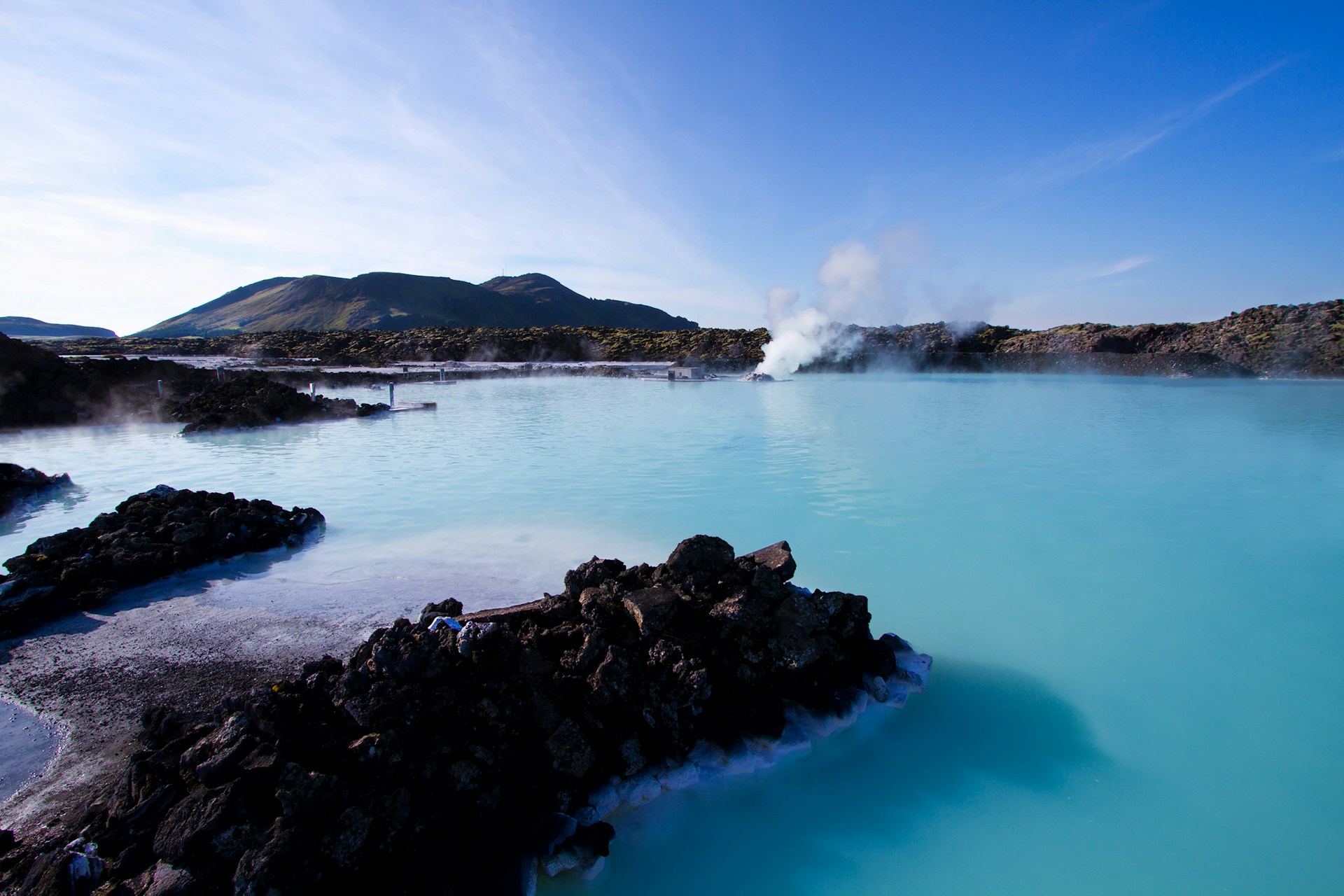
The road to the lagoon cuts through vast lava fields formed by volcanic eruptions thousands of years ago. Dark black rocks stretch across the horizon, broken only by clouds of rising steam. There are hardly any trees, and the landscape has a raw, untouched feel that makes the bright blue water seem almost unreal. It is one of those places where visitors often stop to take photographs before reaching the entrance.
The lagoon itself owes its existence to Iceland’s geothermal energy. A nearby power plant draws superheated water from around 2km below the ground level to produce electricity and heat. After the energy has been extracted, the mineral-rich water is channelled into the surrounding lava fields, where it forms the lagoon.
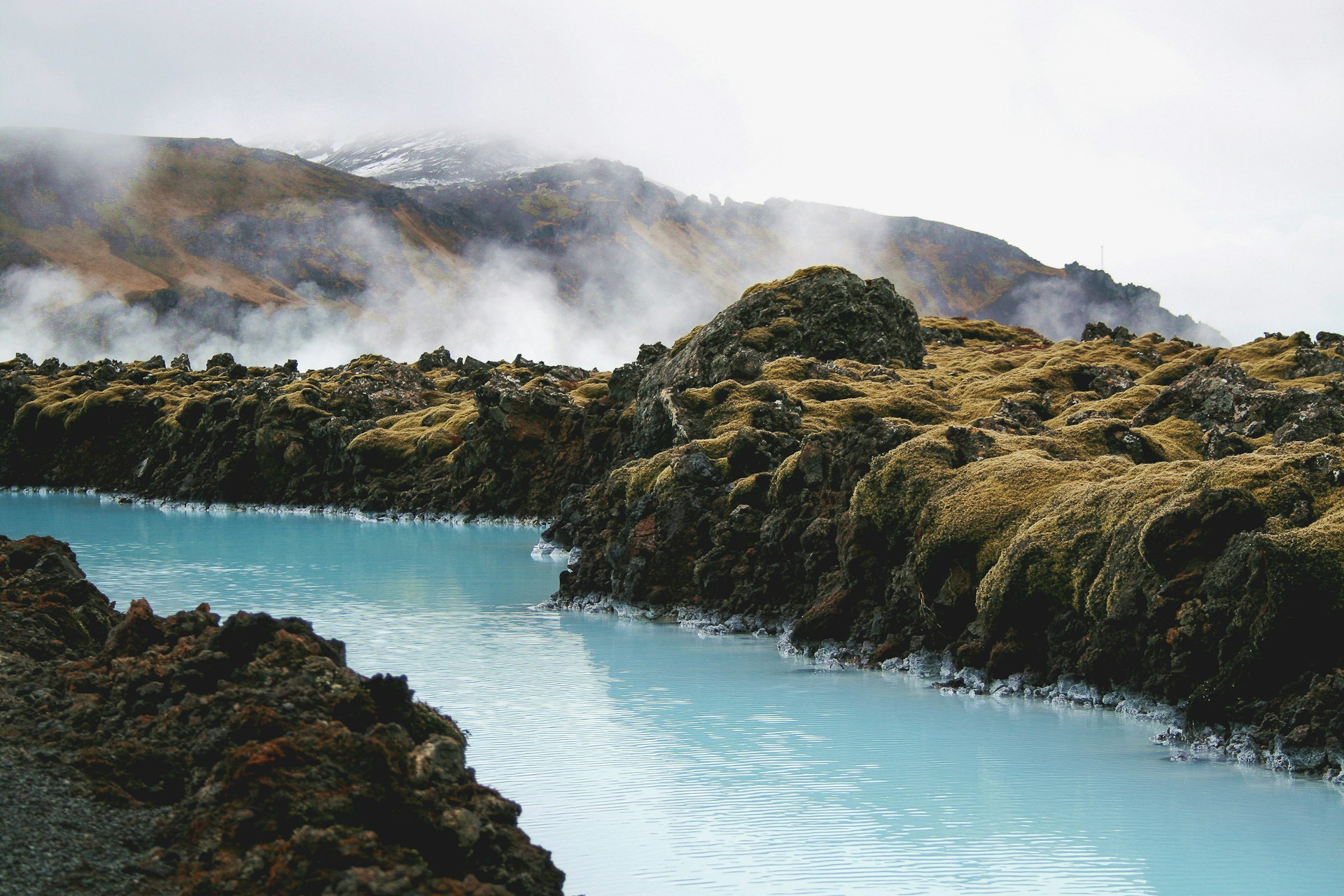
The water is a blend of about 70% seawater and 30% freshwater, and as it travels through the underground volcanic system, it becomes rich in silica, algae and other minerals, giving the water its distinctive milky blue colour that has become one of Iceland’s most recognisable images.
So, while the lagoon is created by natural geothermal processes, the bathing water itself is a by-product of the power plant rather than a naturally occurring hot spring. The water stays comfortably warm throughout the year, usually between 37°C and 40°C, making it enjoyable even when it’s snowing.
Stepping into the lagoon is unlike entering an ordinary swimming pool. Steam drifts across the surface, visibility changes with the wind, and the surrounding lava formations create natural-looking borders that make the entire area feel much larger than it actually is. Wooden walkways connect different sections, allowing visitors to wander through the warm water while discovering quieter corners away from the main crowds.
Many people spend several hours here simply floating, chatting, or sitting quietly while taking in the scenery. Silica mud masks, steam rooms, saunas and relaxation areas add to the experience, but there is no pressure to follow a schedule. Some visitors stay in one part of the lagoon for an hour, while others slowly move around, enjoying the changing views as the light shifts across the lava fields.
Despite welcoming hundreds of thousands of visitors every year, the Blue Lagoon rarely feels disconnected from its surroundings. The volcanic landscape remains the star attraction. Moss slowly carpets parts of the ancient lava fields, adding soft shades of green to the otherwise dark terrain. Icelandic moss grows extremely slowly, taking decades to recover if damaged, so visitors are encouraged to stay on marked paths whenever exploring nearby.
Wildlife is not the main reason people come here, but the Reykjanes Peninsula still supports a variety of birdlife. Seabirds are common along the nearby coastline, while migratory species pass through during the warmer months. The volcanic terrain itself appears almost lifeless at first glance, yet hardy plants and mosses have gradually adapted to survive in this challenging environment.
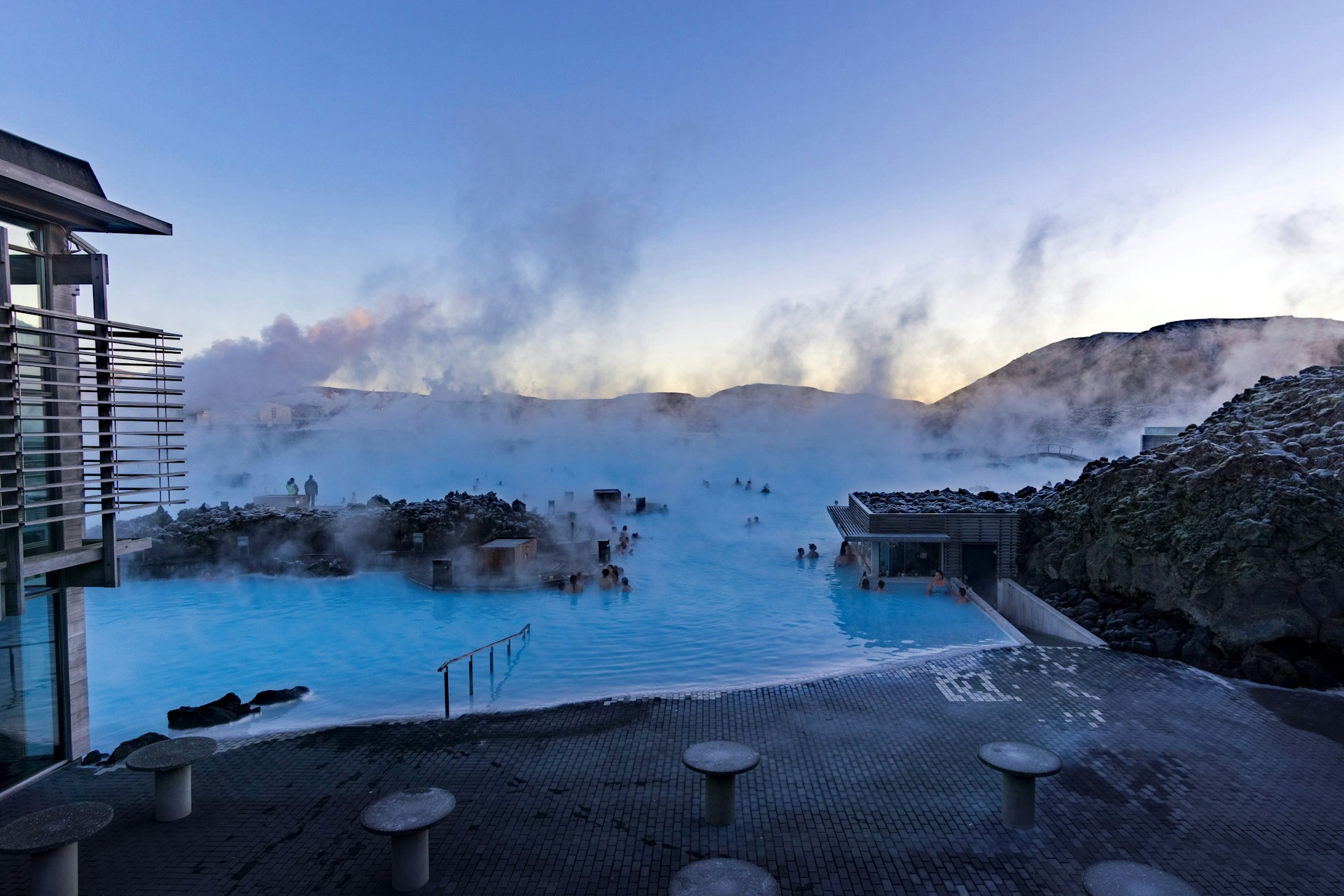
Although the lagoon feels remote, it is anything but isolated. Visitors can choose from luxury spa accommodation overlooking the lava fields, comfortable guesthouses, self-catering apartments and holiday cottages in the surrounding area. Campsites are also available within driving distance, making it an easy stop for campervan travellers. Iceland’s excellent roads mean there is no need for specialised vehicles to reach the lagoon.
For most visitors, a half-day or full-day visit is enough. Those arriving after an overnight flight often spend a few relaxing hours here before beginning their drive around Iceland. Others prefer to return at the end of their trip as a final chance to unwind before flying home. Staying one night nearby can make the experience more relaxed, especially if you have an early or late flight.
The Blue Lagoon can be visited throughout the year, but every season creates a different atmosphere. Winter brings the possibility of soaking in warm water while snow settles on the surrounding lava rocks, and on clear nights there is even a chance of seeing the Northern Lights. Summer offers long daylight hours, allowing visitors to enjoy the lagoon late into the evening beneath Iceland’s famous midnight sun. Spring and autumn are generally quieter, with fewer crowds and pleasant temperatures.
You need tickets to enter the Blue Lagoon. There are three main admission options – Comfort, Premium, and Signature – with prices starting at around USD 97, USD 122 and USD 150, respectively. All include lagoon access, while the higher-priced options offer extras such as more drinks, additional masks and a bathrobe. Tickets can be booked online through the Blue Lagoon’s official website. Advance booking is recommended, especially during peak travel seasons.
Its worldwide fame means the Blue Lagoon is often one of the busiest attractions in Iceland. Advance booking is usually essential, particularly during the peak summer months. Even so, once you step into the warm water and the steam begins to rise around you, it becomes easy to understand why it has remained at the top of so many travellers’ Iceland wish lists.
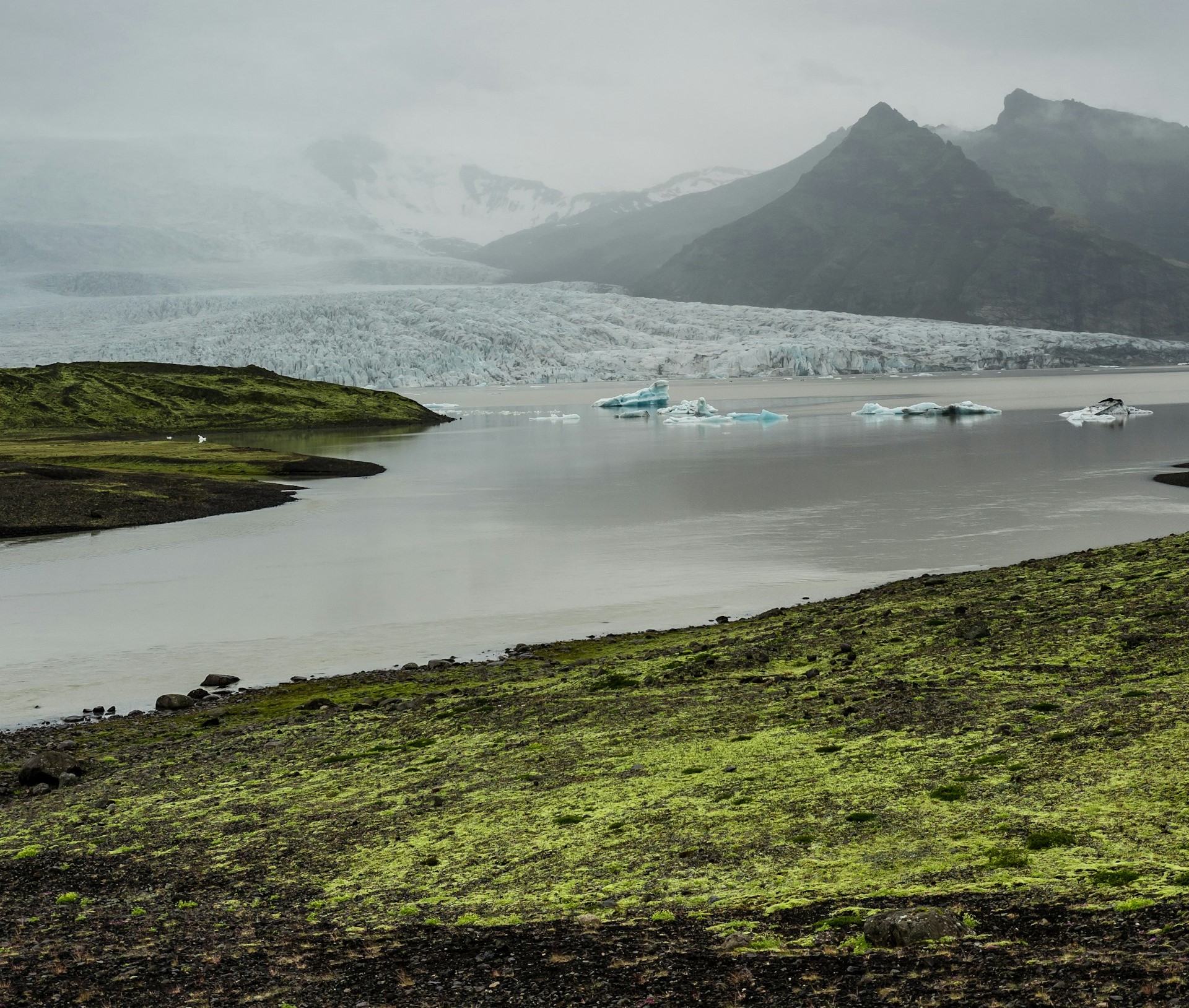
Sky Lagoon
While the Blue Lagoon introduces visitors to Iceland’s volcanic landscapes, the Sky Lagoon offers a completely different setting without leaving the Reykjavík area. Located in Kársnes Harbour in Kópavogur, just a short drive south of central Reykjavík, it is one of the major attractions to visit during a stay in the capital. Travellers following the Ring Road often stop here either before setting off around Iceland or after completing the full circuit.
Unlike many of Iceland’s remote geothermal pools, the Sky Lagoon sits close to the city yet somehow manages to create a remarkable sense of escape. The entrance leads into beautifully designed spaces inspired by traditional Icelandic architecture, but it is only when visitors step into the warm water that the true setting reveals itself.
The lagoon appears to merge seamlessly with the North Atlantic Ocean beyond. Its infinity-edge design creates the illusion that the water stretches endlessly towards the horizon. Waves roll in below the cliffs, seabirds glide overhead and, depending on the season, dramatic sunsets or dancing Northern Lights transform the sky above. Even though Reykjavík is only minutes away, the experience feels surprisingly peaceful.
The water remains naturally warm throughout the year, allowing visitors to relax outdoors. Cool sea breezes contrast with the comforting geothermal heat, creating one of those uniquely Icelandic experiences that many visitors remember long after returning home.
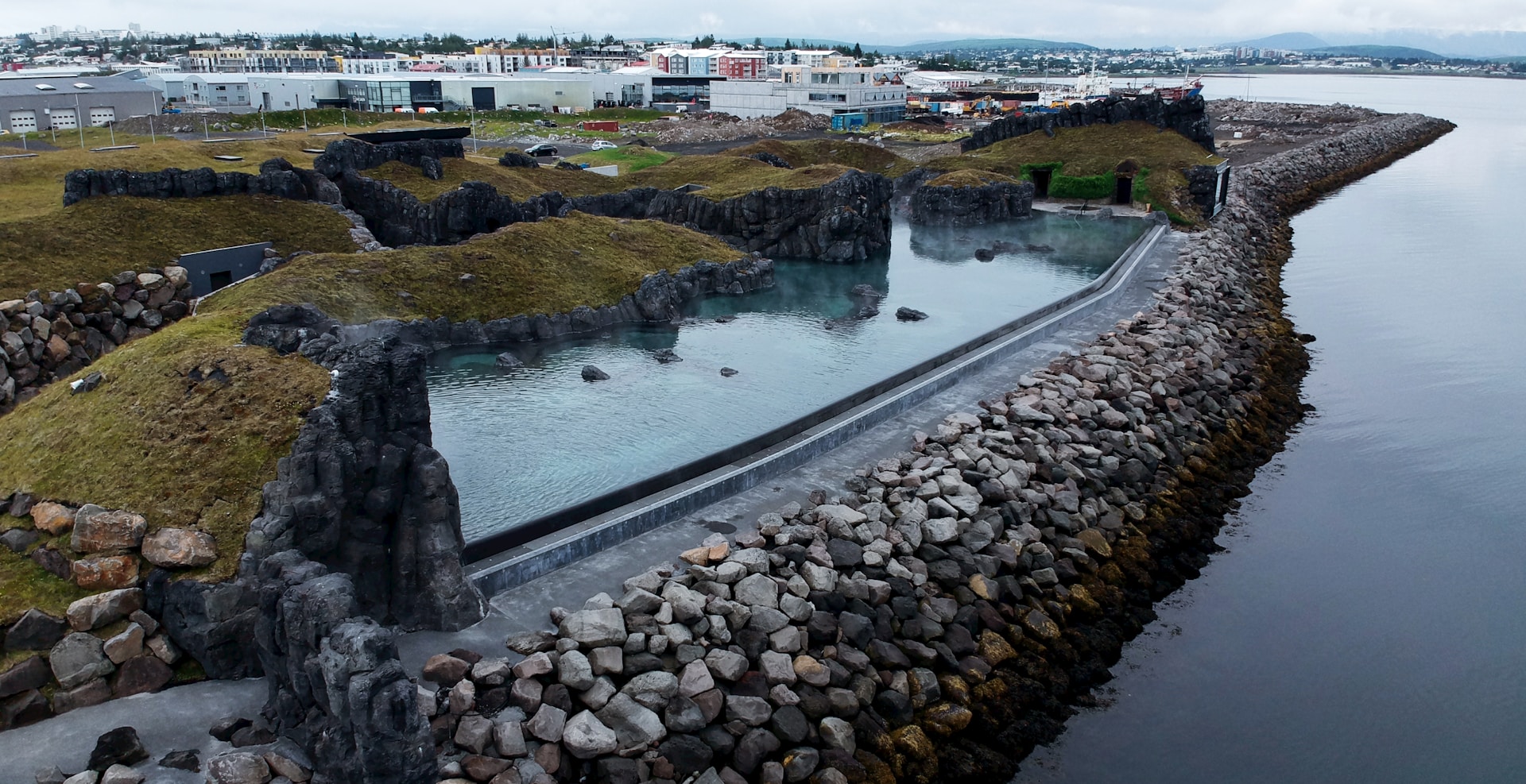
The warmth comes from Iceland’s geothermal energy, which heats the water used at Sky Lagoon. Unlike a natural hot spring where hot water collects in a pool formed by geothermal activity, Sky Lagoon is a purpose-built lagoon that harnesses this underground heat. The water is kept at around 38–40°C, creating a striking contrast between the geothermal warmth of the lagoon and the cool Atlantic air around it.
One of the highlights here is the traditional Icelandic bathing ritual known as the seven-step experience. Rather than simply soaking in the lagoon, visitors gradually move through warm and cold therapies, steam rooms, saunas, and refreshing showers before returning to the water. Inspired by Iceland’s long history of geothermal bathing, it encourages guests to slow down and enjoy each stage at their own pace.
The architecture blends naturally into the coastline, using stone, wood, and turf-inspired design that reflects Iceland’s rural heritage.
Although the Sky Lagoon sits close to an urban area, nature is never far away. The rocky shoreline attracts seabirds including gulls, terns and, during certain seasons, other coastal species. Seaweed-covered rocks line the water’s edge, while hardy coastal grasses and wildflowers survive the strong Atlantic winds. The changing weather becomes part of the attraction itself. One moment the sea may be calm under bright sunshine; the next, mist and low clouds create an entirely different mood.
Accommodation options are plentiful because of the lagoon’s location. Visitors staying in Reykjavík can choose from hotels, boutique guesthouses, serviced apartments, hostels, or holiday rentals across the city. Campervan travellers also find it easy to visit, using campsites in and around Reykjavík before or after their time at the lagoon.
Unlike the Blue Lagoon, there is little reason to stay specifically beside the attraction itself because everything is so close together. Most people enjoy the Sky Lagoon as a half-day outing while exploring Reykjavík. Spending two or three days in the capital gives plenty of time to combine the lagoon with museums, restaurants, harbour walks, and nearby sightseeing.
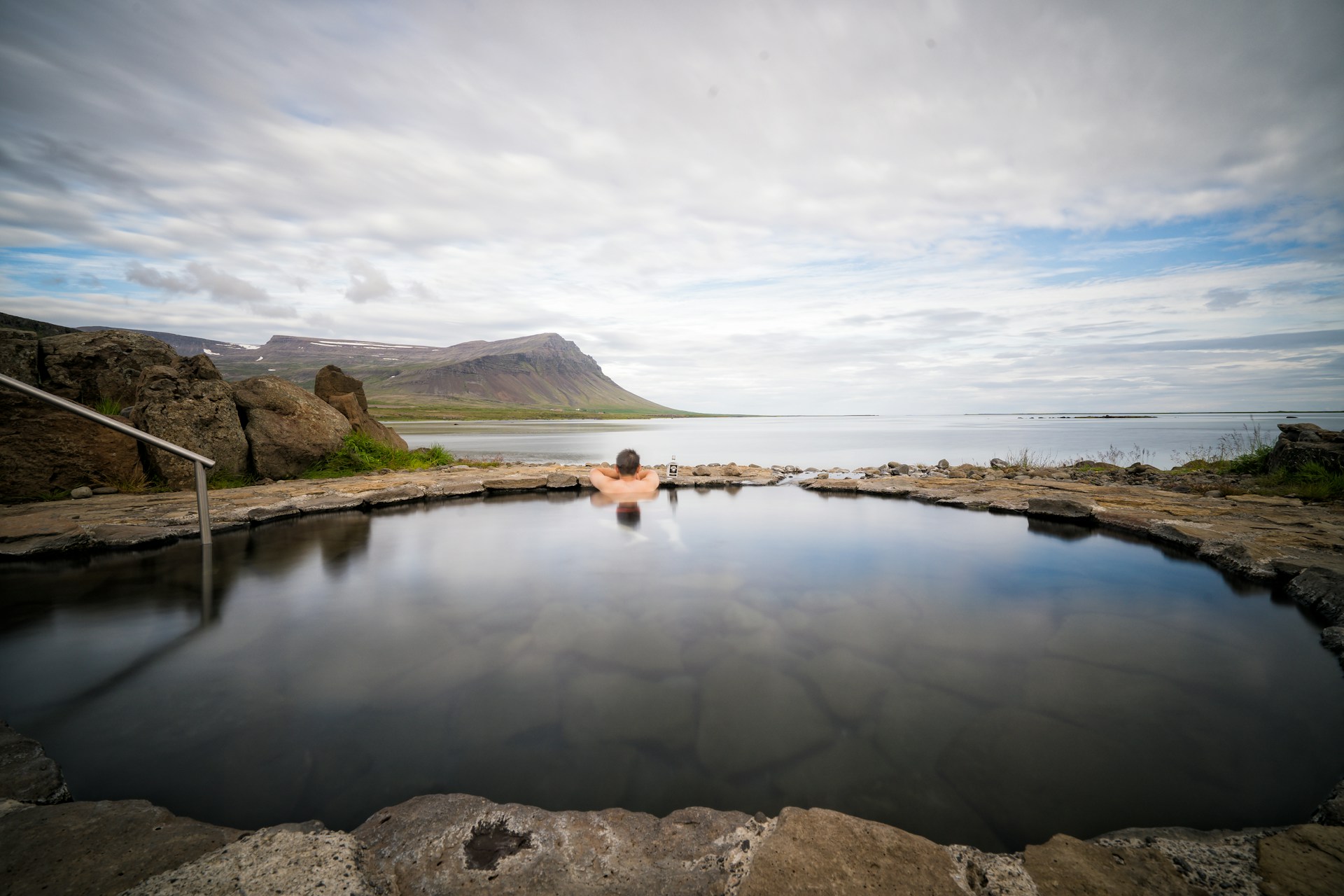
You can choose from two types of passes to get into the Sky Lagoon – the Saman Pass, starting at around USD 126 per adult, with public changing facilities, and the Sér Pass, from around USD 151, which includes private changing facilities. Tickets are best booked in advance through the Sky Lagoon website, where you can also add a shuttle transfer from Reykjavík. Located just south of the city centre, the lagoon is easily accessible by public bus, car or taxi, with free parking available on site.
Every season offers something different. Winter visitors often arrive hoping to watch the Northern Lights from the warm water on clear nights, while autumn brings colourful sunsets over the Atlantic. During spring, birdlife becomes more active along the coastline, and summer’s endless daylight allows visitors to enjoy the lagoon well into the evening.
The Sky Lagoon may be newer than the Blue Lagoon, but it has quickly become one of Iceland’s most sought-after wellness experiences. Its location makes it especially appealing for travellers who want a taste of Iceland’s geothermal culture without venturing far from Reykjavík. The combination of ocean views, thoughtful design and traditional bathing rituals creates an experience that feels distinctly Icelandic.
Whether you begin your Iceland adventure surrounded by the black lava fields of the Blue Lagoon or finish it gazing across the Atlantic from the Sky Lagoon, both places offer a welcome pause in a country known for constant movement and dramatic scenery. Iceland may be famous for waterfalls, glaciers, and volcanoes, but these geothermal lagoons reveal another side of the island – where nature invites you not to keep exploring, but simply to stop, sink into warm water and enjoy the landscape.