
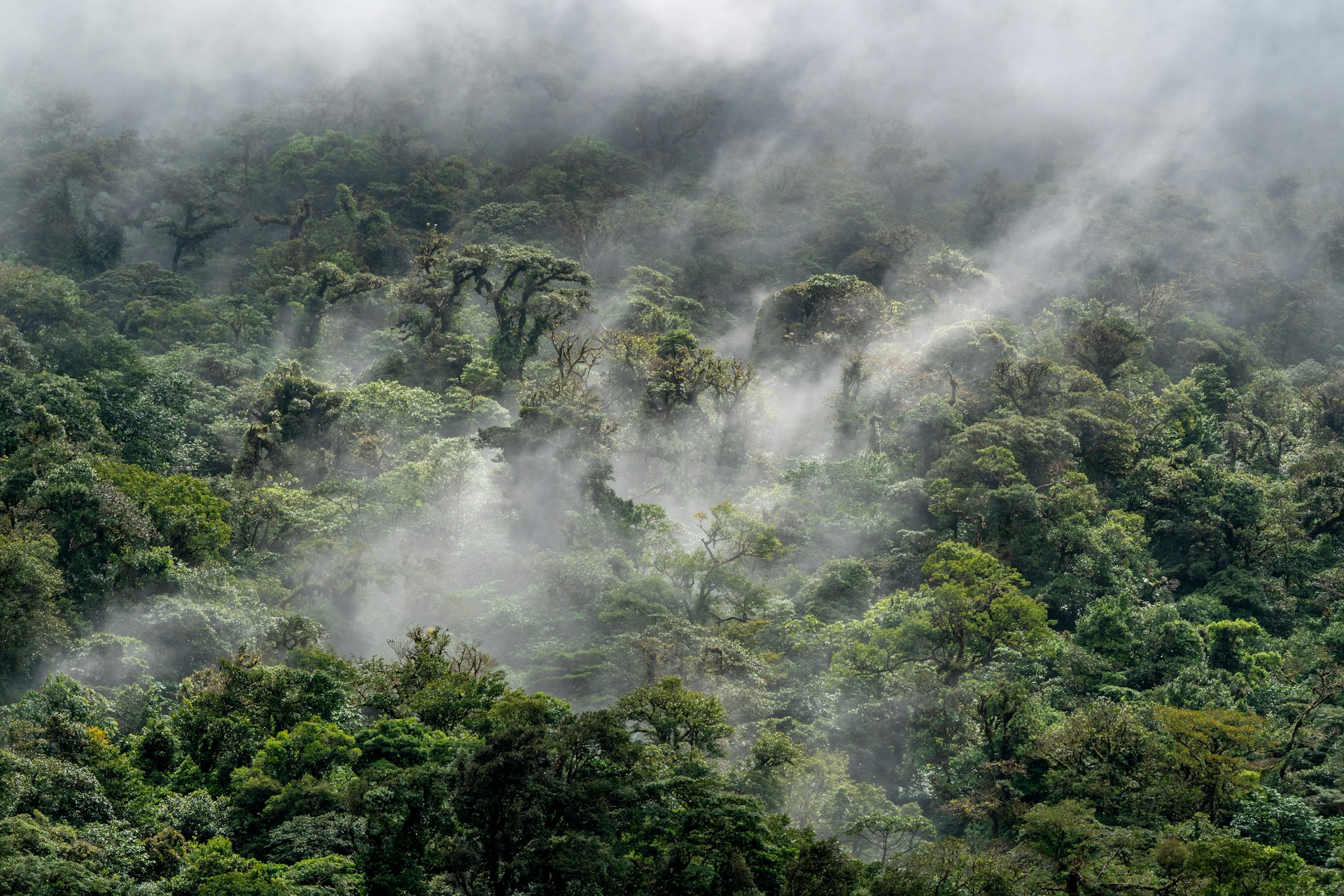
There are forests, there are rainforests, and then there are cloud forests — places where the trees seem to disappear into the mist and the air feels cool, damp, and if you ask me, mysterious.
Found mostly in tropical and subtropical mountain regions, cloud forests sit at elevations where moisture-laden clouds regularly drift through the canopy. Instead of rain alone providing water, the vegetation captures moisture directly from the passing clouds, creating a unique ecosystem.
The constant presence of fog and humidity allows diverse flora and fauna to thrive. Moss-covered branches, orchids, ferns and epiphytes blanket the trees, while rare birds, mammals, amphibians, and insects find refuge in these isolated habitats.
Often called “water towers” of the natural world, cloud forests also play a crucial role in regulating local water supplies and supporting biodiversity. For travellers, they offer a chance to step into landscapes where mist, wildlife, and towering greenery combine to create a truly immersive experience.
Monteverde Cloud Forest Reserve, Costa Rica
When most travellers think of cloud forests, Monteverde is often the first place that comes to mind. Located in Costa Rica’s Tilarán Mountains, this protected reserve has become one of the country’s most celebrated natural attractions. Yet despite its popularity, Monteverde still manages to feel wild and intriguing. Low clouds drift through the forest throughout the day, wrapping the trees in mist and creating constantly changing views along the trails.
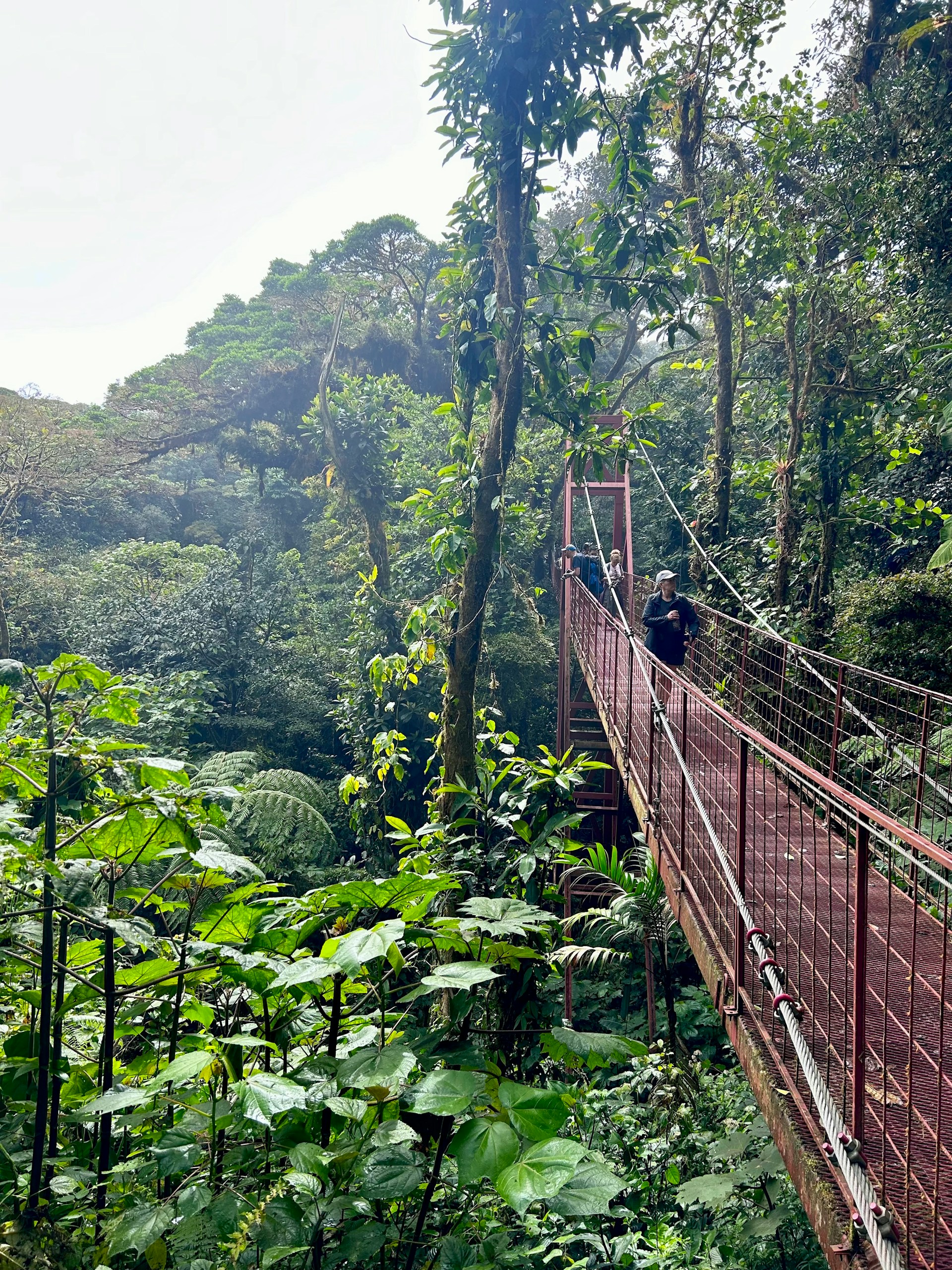
The reserve is home to thousands of flora and fauna, including hundreds of orchids, along with monkeys, sloths, coatis, and an impressive variety of birds. Birdwatchers come in search of the resplendent quetzal, one of Central America’s most iconic species. Walking through the forest, visitors will notice branches coated in moss, ferns growing from tree trunks, and a remarkable diversity of epiphytes that thrive in the moist conditions.
Most visitors reach Monteverde by road from San José, a journey of around three to four hours. Well-maintained trails, hanging bridges, guided walks, and canopy tours make it accessible to a wide range of travellers. The dry season from December to April generally offers easier hiking conditions, while the wetter months bring thicker mist and a more dramatic cloud-forest atmosphere.
Visitors must purchase an entry ticket and are encouraged to reserve a time slot in advance, as daily visitor numbers are limited and popular periods can sell out.
Mindo Cloud Forest, Ecuador
Tucked into the western slopes of the Andes, Mindo is one of Ecuador’s best-known cloud forests and a favourite among birdwatchers. The small town sits in a valley surrounded by mist-covered forests, making it an easy place to experience the cloud-forest environment without venturing too far off the beaten track. The atmosphere is relaxed, with forested hills, rushing streams, and frequent sightings of wildlife.
The area is home to more than 500 varieties of birds, including hummingbirds, toucans, tanagers, and cock-of-the-rocks. Butterfly gardens, orchid farms, and forest trails add to the experience, while waterfalls and zip-line circuits provide opportunities for more active day adventures. Even a short walk through the forest reveals moss-covered trees, hanging vines, and epiphytes thriving in the cool moisture.
Mindo is about two hours by road from Quito, making it one of the easiest cloud forests in South America to access. The drier months from June to September are generally considered the best time for hiking and birdwatching, though wildlife can be seen year-round.
Entry rules depend on the reserve or attraction being visited, with most sites requiring a modest entrance fee and tickets purchased at the gate.
Bwindi Impenetrable National Park, Uganda
Bwindi is often associated with mountain gorillas, but it is also one of Africa’s most famous cloud forests. Covering steep hills in southwestern Uganda, the forest remains shrouded in mist for much of the year. Walking through Bwindi feels like entering a world that has changed little over centuries, with dense vegetation, towering trees, and winding forest trails disappearing into the fog.
The park’s main draw is gorilla trekking, which allows visitors to spend time observing one of the world’s last remaining populations of mountain gorillas in their natural habitat. Beyond the gorillas, Bwindi is home to chimpanzees, colobus monkeys, forest elephants, and more than 350 bird species. Guided nature walks offer a chance to enjoy the forest itself, with giant ferns, moss-covered trunks, and a remarkable diversity of plant life.

Most visitors reach Bwindi by road from Kampala or Entebbe, though domestic flights to nearby airstrips can significantly reduce travel time. The dry seasons from June to August and December to February usually offer the best trekking conditions.
Visitors can enter the park for nature walks, but gorilla trekking requires a separate permit that must be booked in advance due to limited daily slots.
Kinabalu Park, Malaysia
Located on the slopes of Mount Kinabalu in Sabah, Kinabalu Park is home to a range of ecosystems that gradually change with altitude. As visitors climb higher into the mountains, tropical rainforest gives way to cloud forest, where mist and fog frequently drift through the trees and temperatures become noticeably cooler.
The park is renowned for its botanical diversity. Thousands of plant species have been recorded here, including rare orchids, carnivorous pitcher plants, and rhododendrons. Wildlife is often harder to spot than in some other cloud forests, but the forest itself is a unique attraction. Elevated boardwalks and hiking trails pass through mossy woodland where every surface seems covered in ferns and lichens. Those climbing Mount Kinabalu experience several distinct ecological zones in a single journey.
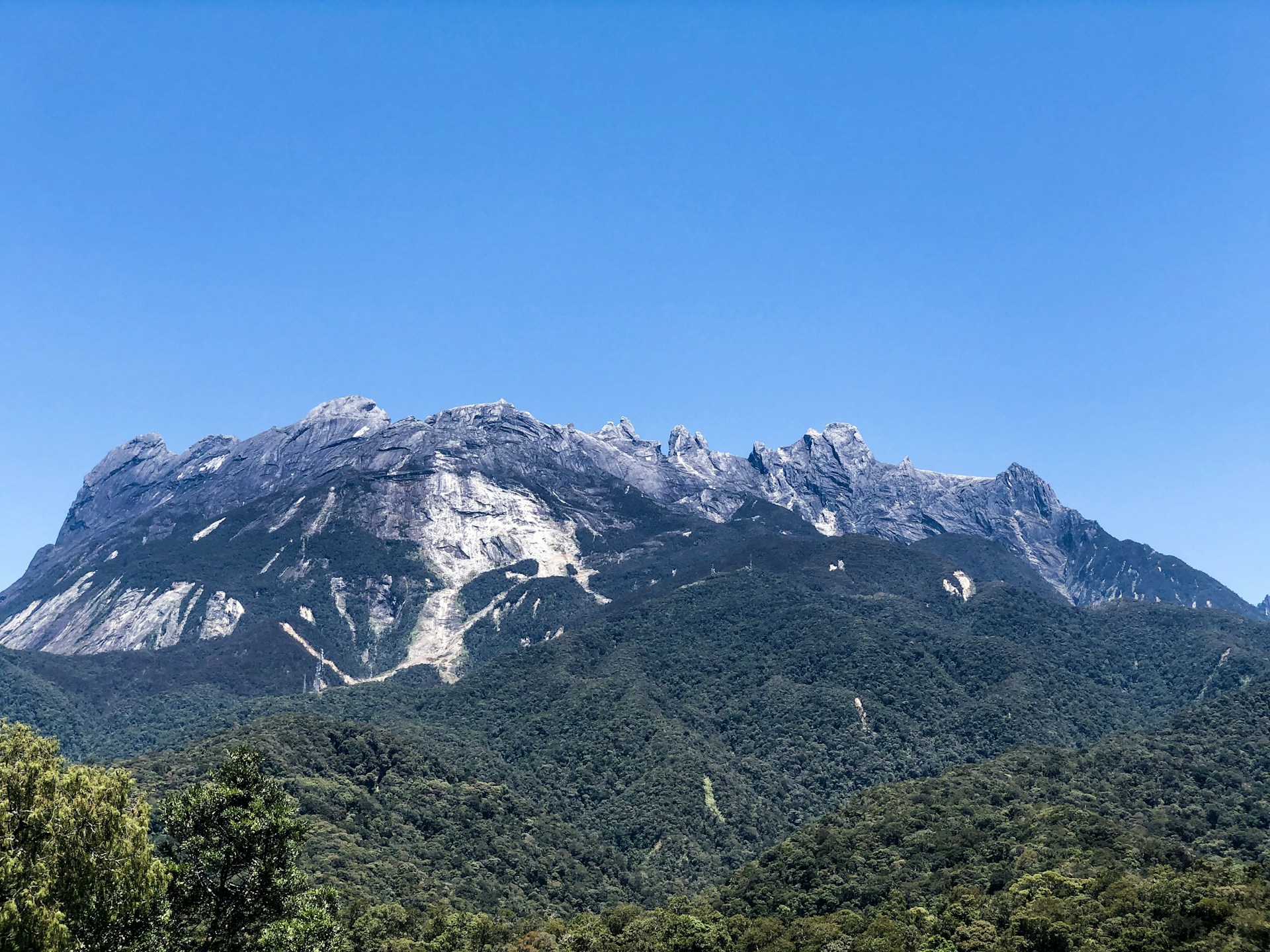
Kinabalu Park lies about two hours by road from Kota Kinabalu, Sabah’s capital city. The months between February and April generally offer drier weather and clearer mountain views, although cloud forest conditions persist throughout the year.
Entry to the park requires a ticket, while climbing Mount Kinabalu requires additional advance permits and should be booked well ahead, especially during peak travel periods.
Horton Plains National Park, Sri Lanka
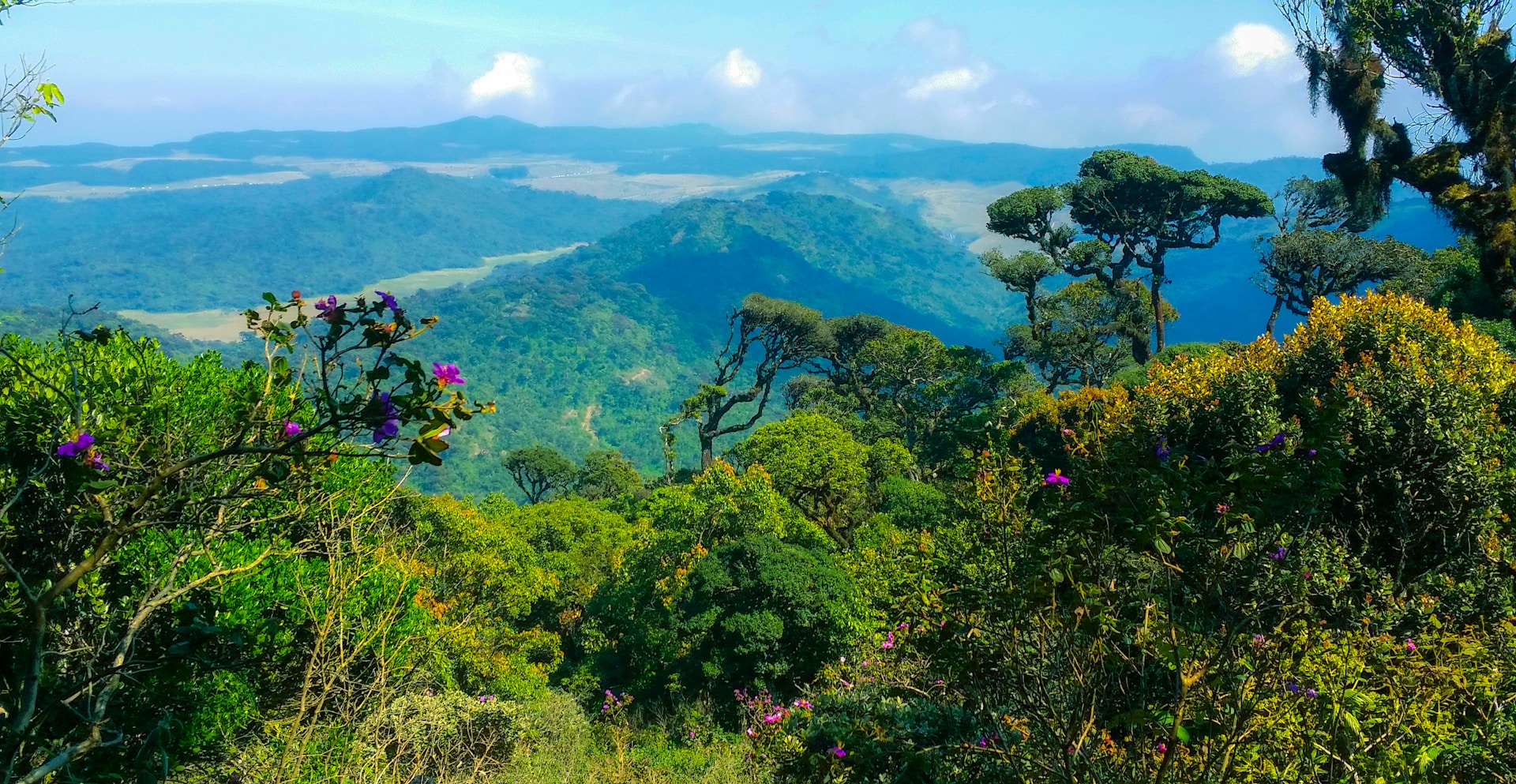
High in Sri Lanka’s central highlands, Horton Plains offers a different cloud-forest experience from the dense tropical forests found elsewhere in the world. Here, patches of montane cloud forest blend with open grasslands, creating a landscape that feels surprisingly spacious. Morning mist often hangs over the plains before gradually lifting to reveal rolling hills and striking cliffs and ridges.
The park’s most famous attraction is World’s End, a sheer cliff that drops nearly 900 metres. On clear mornings, the views stretch far across the surrounding countryside. The popular circular trail also passes Baker’s Falls, while wildlife sightings may include sambar deer, purple-faced langurs, and numerous endemic birds. The cloud-forest areas contain stunted trees draped in moss and lichens, adapted to the cool, windy conditions of the high plateau.
Horton Plains is usually accessed from Nuwara Eliya, about an hour’s drive away. Early mornings are strongly recommended, as clouds often obscure the viewpoints later in the day. January to April generally offers the clearest conditions and most pleasant weather for hiking.
Visitors must purchase an entry ticket at the park gate, with separate fees for foreign visitors and vehicles.
Cusuco National Park, Honduras
Less famous than Costa Rica’s cloud forests but every bit as rewarding, Cusuco National Park protects a large expanse of misty mountain forest in northwestern Honduras. Its relative lack of tourism means visitors often get to experience a more remote and quieter atmosphere, where the sounds of birds and insects dominate the landscape.
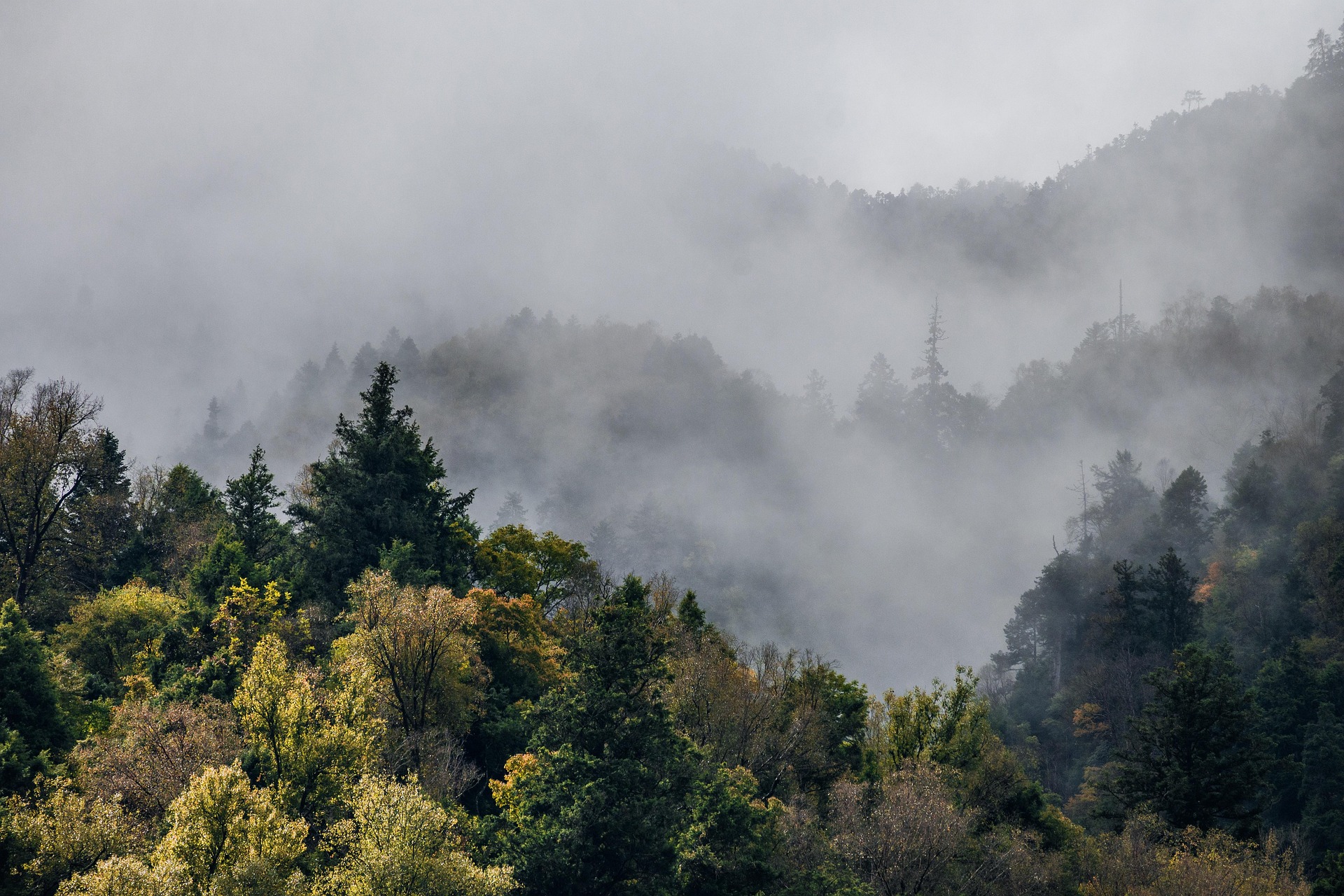
The park supports a wide range of biodiversity, including rare amphibians, orchids, bromeliads, and mammals such as ocelots and armadillos. Birdwatchers are particularly drawn to the area, with many species found only within the mountains of Central America. Trails wind through thick vegetation where clouds drift through the canopy, creating the cool and damp conditions that define cloud forests.
Most visitors travel from San Pedro Sula, followed by a journey into the mountains using local transport or four-wheel-drive vehicles. Conditions are generally most comfortable between February and May, when rainfall is lower and trails are easier to navigate.
Access is controlled through the protected area, and visitors are generally required to register at park entrances or with local conservation authorities before entering certain sections of the park.
This final stop may be the least-known destination on the list, but for travellers seeking a cloud forest without large crowds, it offers one of the most memorable experiences.



August 22, 2026
[…] Himalayan treks are about reaching a high summit, while others are about the journey through the mountains. The Hampta Pass trek belongs to the latter. It is a Himalayan crossing that takes you through […]