
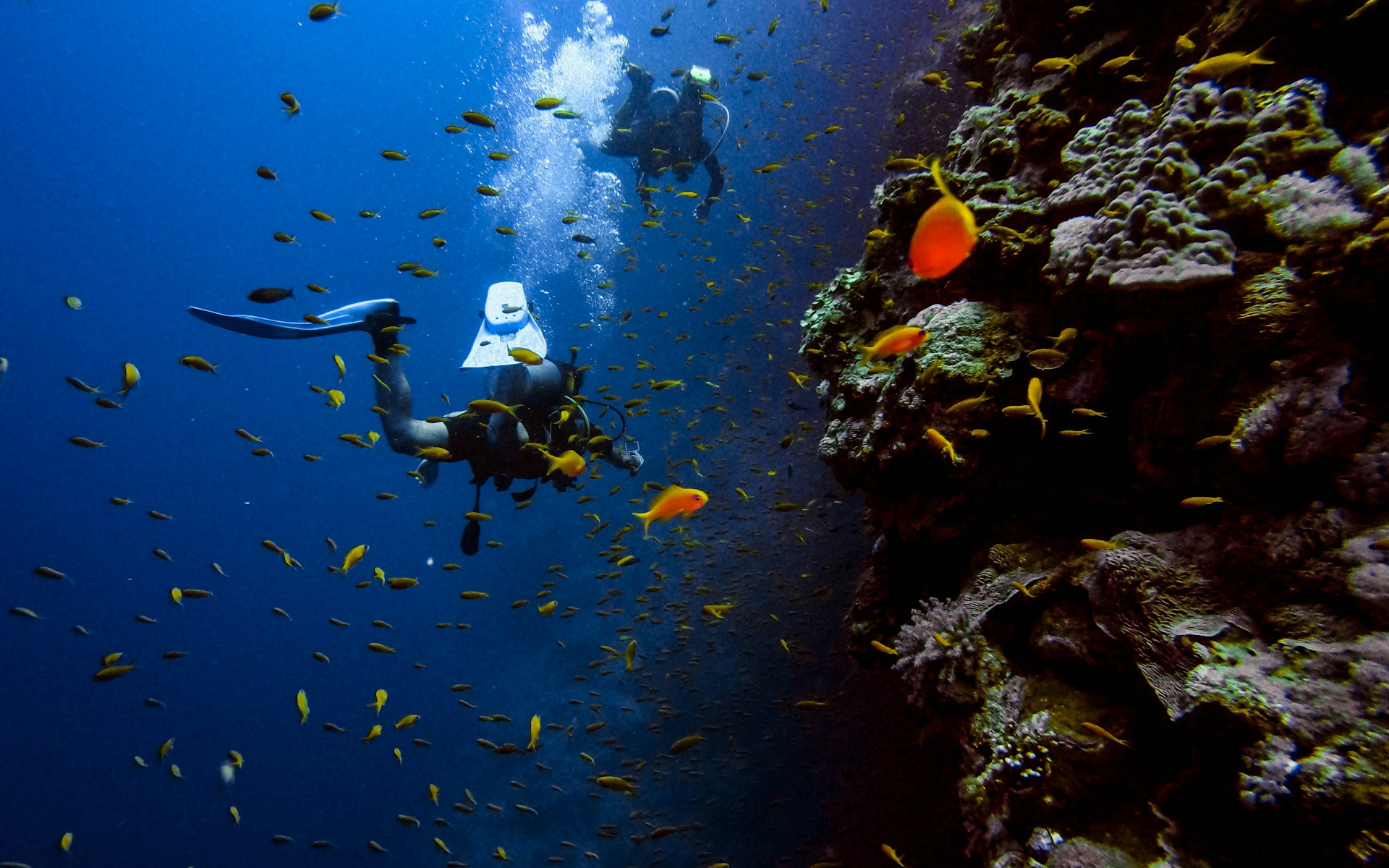
The Andaman Islands are known for their beaches, forests, and clear blue waters, but some of their most interesting landscapes are hidden below the surface. Coral reefs spread around the islands, rocky formations drop into deeper water, and the surrounding sea supports a wide variety of fish, turtles, rays and other marine life. For visitors, this makes scuba diving one of the most accessible ways to experience a different side of the Andamans.
You do not have to be an experienced diver to try it. Several dive centres offer introductory dives for first-timers, while those who want to take diving more seriously can complete internationally recognised certification courses here. For experienced divers, there are also deeper sites, pinnacles, walls, and other underwater areas to explore.
Where to go Scuba Diving in the Andamans
Havelock Island is the main diving hub in the Andamans. It has a large selection of dive centres and sites suitable for different levels of experience.
Elephant Beach is among the better-known areas for underwater activities, while sites such as The Wall, Johnny’s Gorge, Jackson’s Bar, and Dixon’s Pinnacle offer different experiences for certified divers. PADI (Professional Association of Diving Instructors) lists Havelock among the principal diving destinations in the islands, with sites ranging from reef environments to deeper formations.
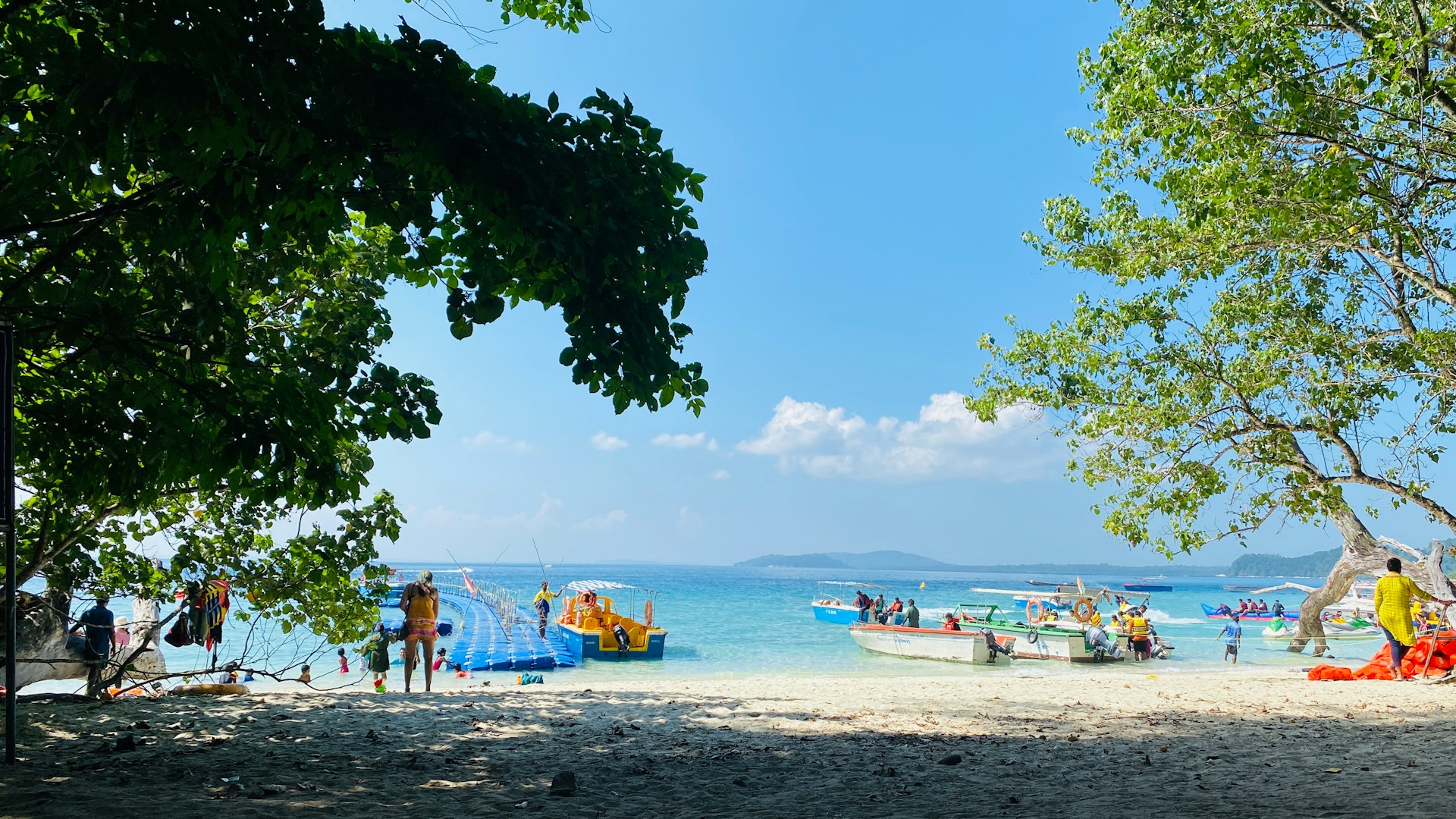
Neil Island is another important diving destination. Its reefs are generally quieter and less crowded than those around Havelock, and there are sites suited to both beginners and certified divers. Margherita’s Mischief, Bus Stop, K-Rock, and Junction are among the sites used by local operators, with depths varying considerably between them.
There is also diving around Port Blair and other parts of South Andaman. The exact sites available depend on the operator, weather and sea conditions. Some trips are shore-based, while others use boats to reach reefs farther offshore.
For a holiday focused mainly on diving, Havelock offers the widest choice. Neil can be a good option for travellers who want diving combined with a quieter island stay.
What will you see underwater?
The Andaman and Nicobar Islands have extensive coral reef systems and a high level of marine biodiversity. The Andaman & Nicobar Administration records more than 1,200 species of fish, around 350 species of echinoderms, and about 1,000 species of molluscs. Dugongs, dolphins, whales, sea turtles, and sea snakes are also part of the region’s marine fauna.
On an ordinary recreational dive, however, you are more likely to encounter reef fish than large animals. Schools of colourful reef fish move around coral heads, while angelfish, butterflyfish, parrotfish, surgeonfish, snappers, groupers, and triggerfish can often be seen around reefs. Pufferfish and moray eels can also be spotted.
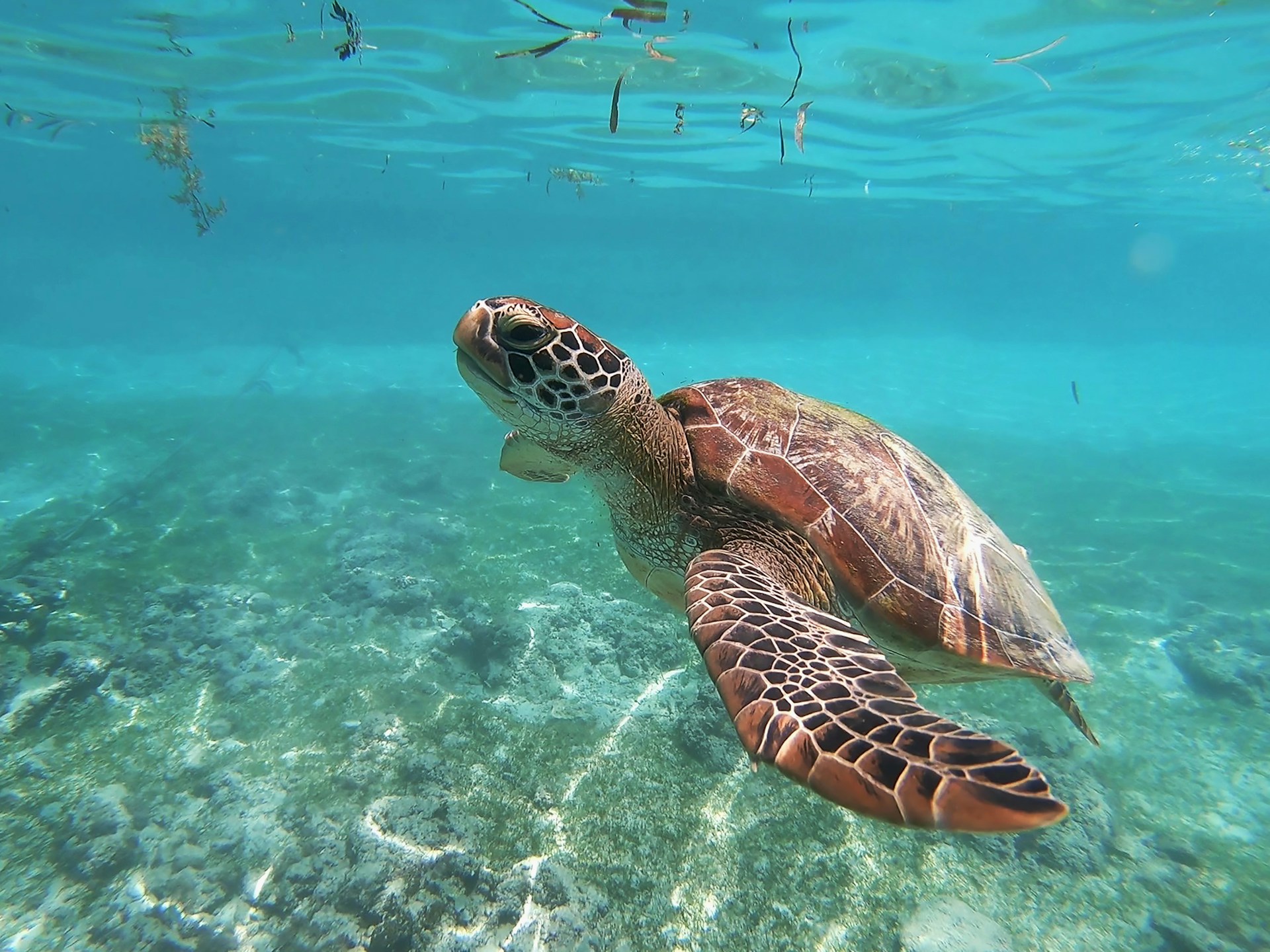
Turtles are another attraction. Green turtles and hawksbill turtles are found in the wider Andaman region, although seeing one is never something a dive operator can guarantee. Rays, including blue-spotted stingrays, can sometimes be found resting on sandy bottoms.
Larger encounters are possible at some sites. Barracuda, trevally, and reef sharks are among the bigger fish that divers may see, while manta rays are an occasional highlight. These sightings depend heavily on the site, season, currents, and your sheer luck.
For divers who enjoy looking closely rather than searching for big animals, the Andamans also offer plenty to discover. Small reef creatures, crabs, shrimps, nudibranchs and other invertebrates can be found around rocks and corals. A dive that seems quiet at first can become much more interesting when you slow down and start looking at the smaller wonders.
A look at the Coral Reefs
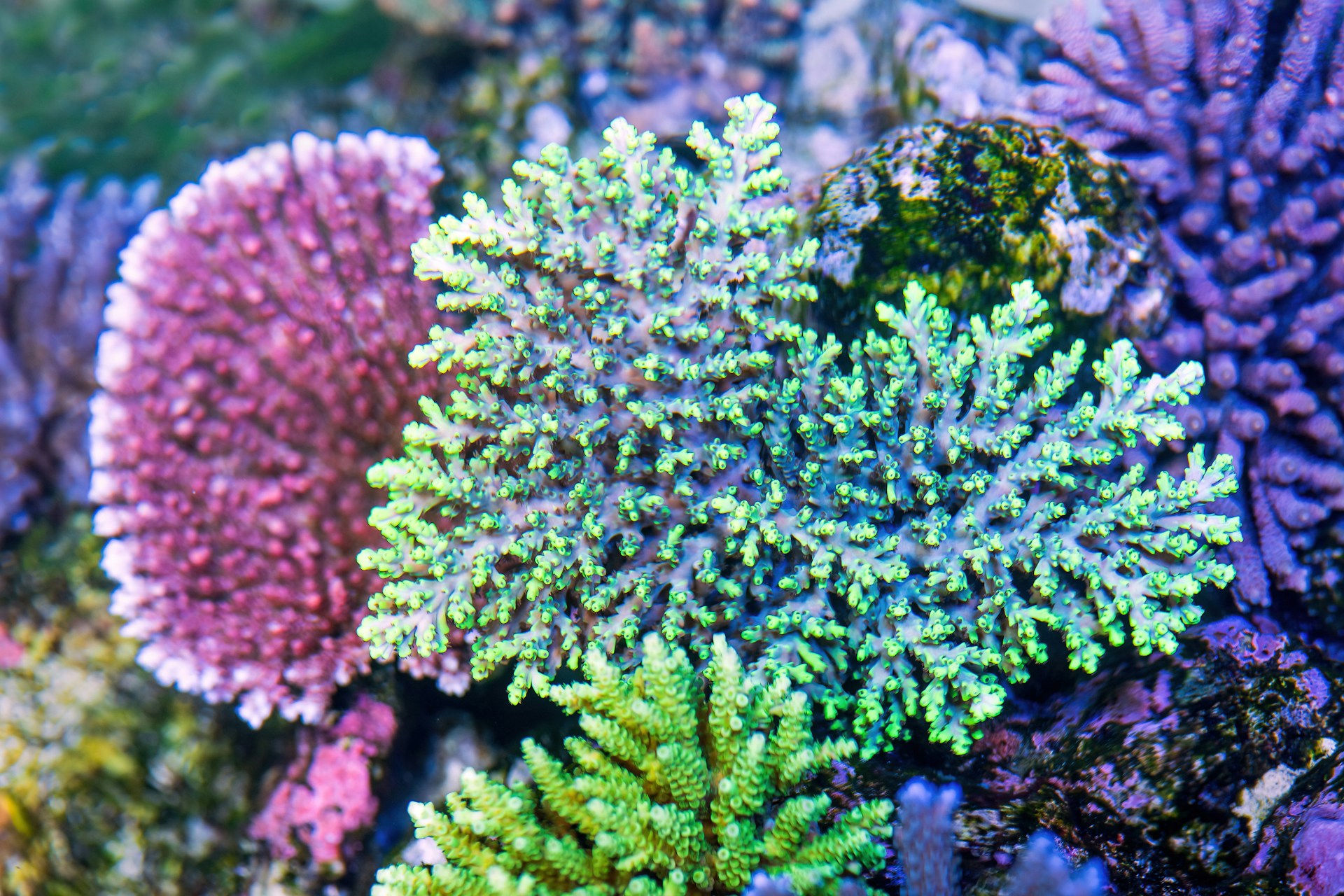
Coral reefs around the Andamans support an enormous variety of marine life. According to the Andaman & Nicobar Administration, 179 coral species belonging to 61 genera have been reported from the islands. Important coral groups include Acropora, Montipora, Pocillopora, Porites, Favia, Fungia, Goniopora, Millepora, and Heliopora.
Branching corals such as Acropora create structures with plenty of spaces for small fish to shelter. Boulder and massive corals such as Porites form larger, rounded structures, while other species create plates, mounds, and more delicate formations.
The reefs themselves also vary. Some are shallow coral gardens, while others surround rocky pinnacles or descend along walls. The corals here include fringing, patchy, and barrier reefs.
For a first-time diver, the significance of this variety may not be immediately obvious. However, once you have spent a little time underwater, you begin to notice how different corals create different habitats. One area may be full of small reef fish, while another has larger coral formations surrounded by open water.
When is the best time to dive?
The main diving season in the Andamans runs broadly from October or November to May. PADI currently recommends November to May for the islands, with calm seas and good visibility during this period. For Havelock specifically, PADI lists October to May as the favourable period and notes visibility of around 15 to 30 metres at suitable sites.
December to March is generally considered the most reliable part of the season, with calmer seas and good conditions for boat trips and training. January to April can be particularly comfortable for divers who want predictable conditions.
The monsoon months, particularly June to September, are less suitable. Rougher seas, rain, and reduced underwater visibility can affect boat operations and diving schedules. Some operators may reduce or suspend trips depending on conditions.
The exact visibility can change from one day to another. Wind, rain, currents, tides, and plankton in the water can all affect what you see. Even during the best season, there is no guarantee that every dive will have a perfect visibility.
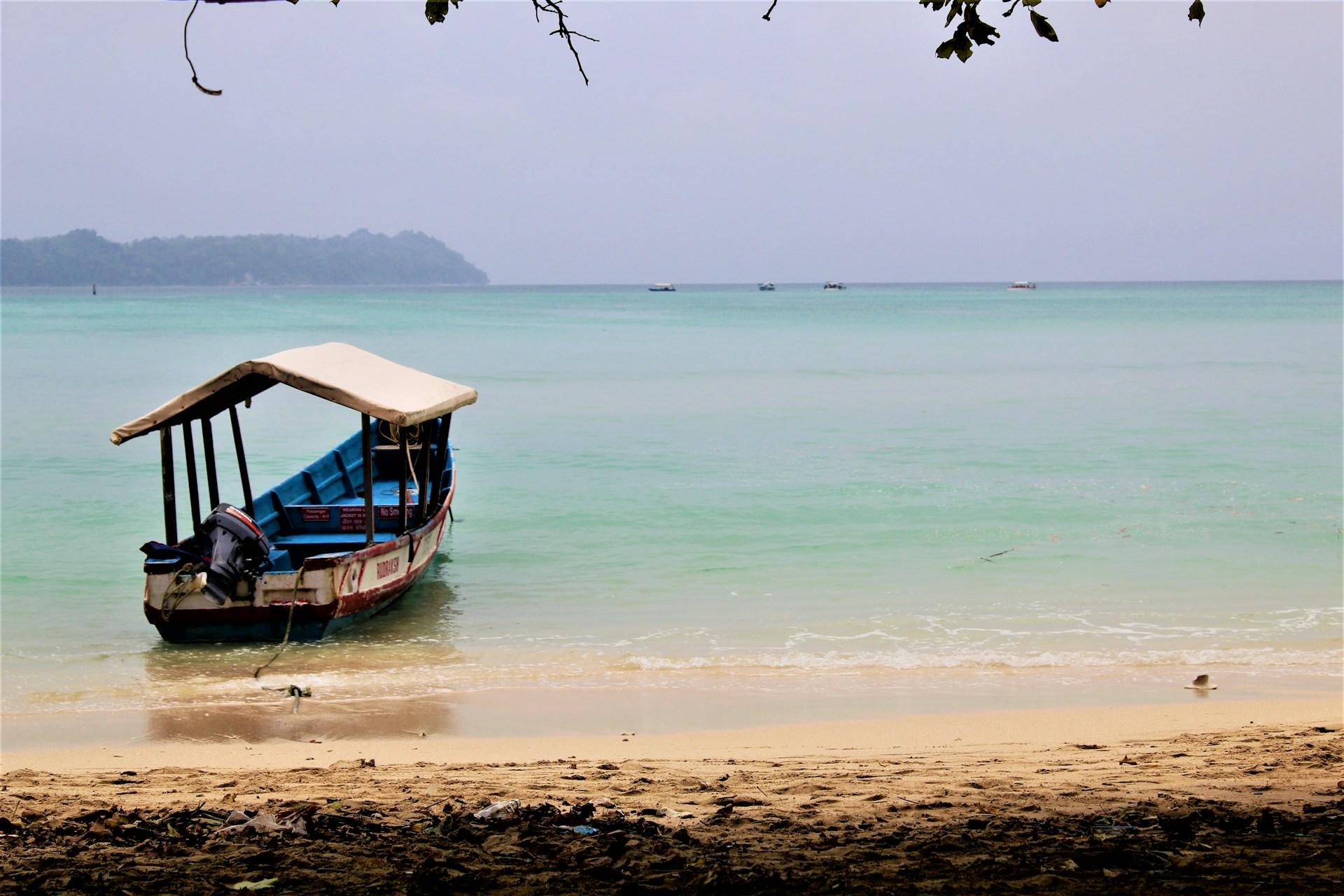
Can beginners try Scuba Diving here?
Yes, and this is one of the reasons the Andamans work well as a diving destination for holidaymakers.
A first-time visitor can choose a Discover Scuba Diving or similar introductory programme. You do not need a scuba certification for this type of experience. The instructor first explains the equipment, basic safety procedures, breathing techniques and underwater hand signals. Some basic skills are practised in shallow or confined water before the actual dive. The open-water portion is conducted under the direct supervision of a qualified professional.
This is a good choice if you simply want to experience breathing underwater and spend some time around a reef without committing to a full course.
Not being a strong swimmer does not automatically mean you cannot participate, but operators have their own medical, water-confidence, and age requirements. These should be checked before booking. PADI’s introductory programmes, for example, generally require participants to be at least 10 years old and in reasonable physical health.
Diving certification
If your first dive leaves you wanting for more, the Andamans are also a place where you can learn scuba diving properly.
The most common entry point is the Open Water Diver certification. PADI describes its Open Water course as a full entry-level certification involving knowledge development, confined-water training, and open-water dives. Once certified, divers can participate in recreational diving within the limits of their training and experience.
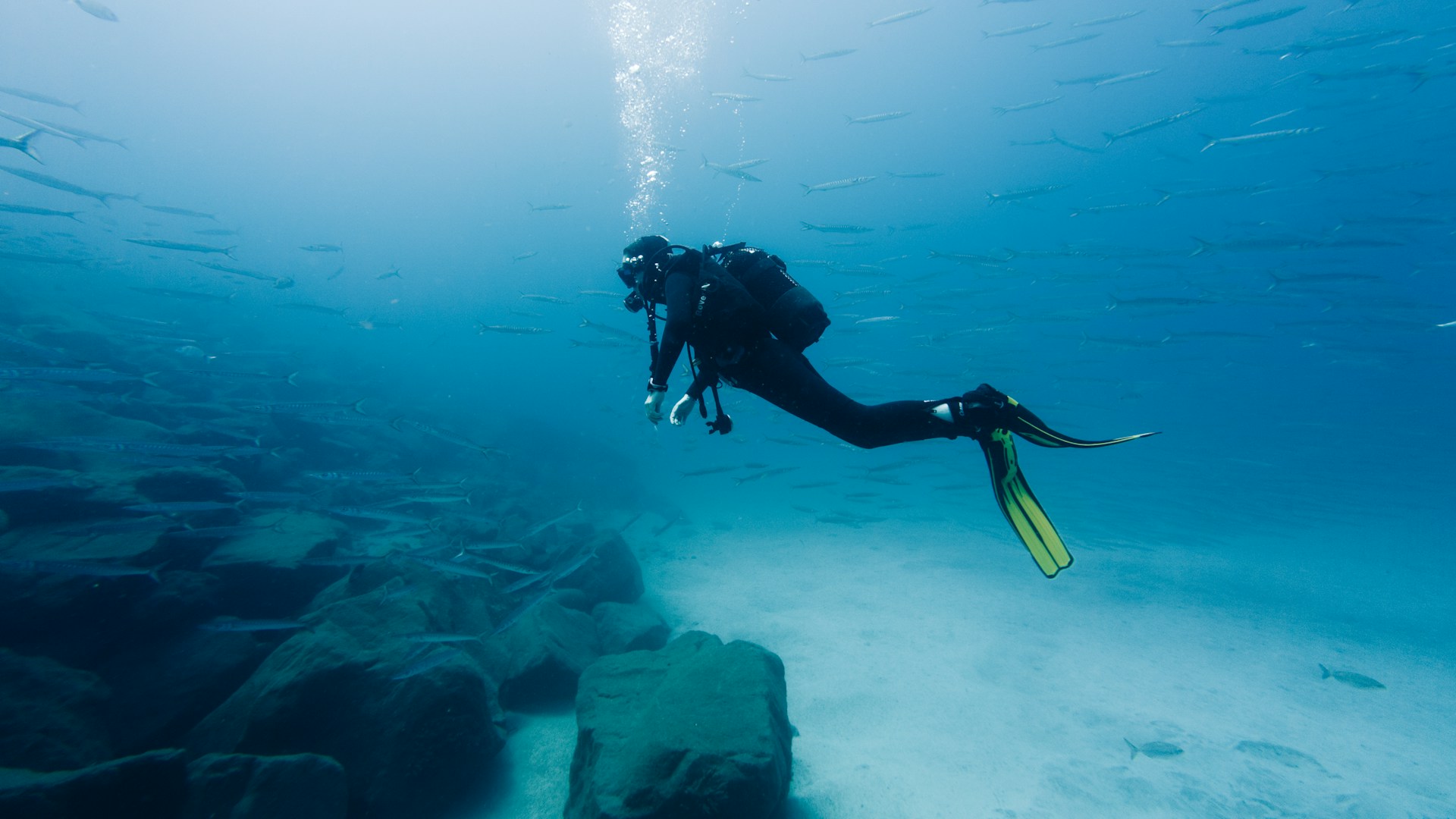
Founded in 1966, PADI has grown into the world’s largest scuba training organisation, with more than 30 million certified divers and thousands of dive centres and resorts worldwide.
There are several PADI-affiliated dive centres in the Andamans. For example, Dive Andaman on Havelock is listed as a PADI 5 Star Instructor Development Centre, while Barefoot Scuba is also listed by PADI as a 5 Star Instructor Development Centre and Resort. ScubaLov operates PADI 5 Star facilities in both Havelock and Neil Island.
PADI is not the only organisation offering internationally recognised scuba training. SSI, or Scuba Schools International, is another major training agency. Its Open Water Diver programme is designed as an entry-level certification, combining academic learning with confined-water and open-water training.
How far can you take it?
After an entry-level certification, divers can continue with advanced courses and speciality training. PADI, for instance, offers an Advanced Open Water programme involving dives such as deep diving and underwater navigation, along with other options including drift diving, night diving, underwater photography, and wreck diving.
The islands are also suitable for divers who want to build experience gradually. You can spend a few days learning basic skills, return on another trip for more dives and eventually move towards advanced recreational diving or professional training.
Some Andaman operators offer courses all the way from beginner programmes to Divemaster and instructor-level training. ScubaLov, for example, lists Open Water, Advanced Open Water, Rescue Diver, Divemaster and instructor courses among its programmes.
That makes the islands useful not only for people looking for a holiday activity but also for those considering diving as a longer-term skill, career or serious hobby.
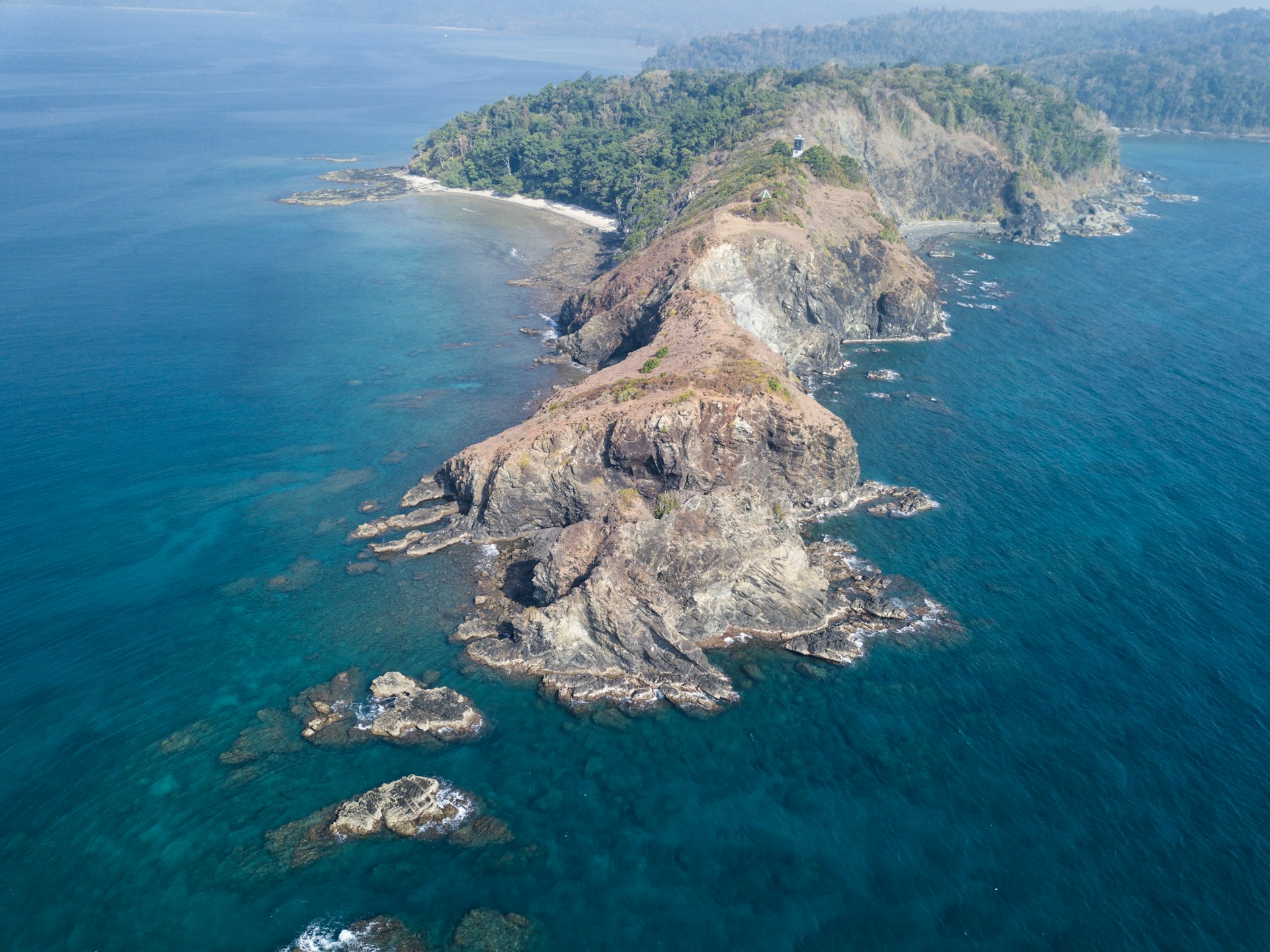
A few things to know before you dive
Choose the operator carefully. Look beyond the price and check the instructor qualifications, group size, equipment, boat arrangements and what is included in the package. A smaller group can also mean more individual attention, which is particularly useful for beginners.
Do not touch corals or marine animals underwater. Even apparently empty coral can be alive, and touching or standing on reefs can cause damage. Keep your equipment under control so that fins, gauges and other gear do not hit the reef.
It is also worth leaving some flexibility in your itinerary. Boat dives depend on weather and sea conditions, and a planned site may be changed if conditions are unsuitable.
Most importantly, remember that scuba diving and flying require careful planning. Divers should not fly immediately after diving because of the risk associated with pressure changes. The appropriate surface interval depends on the type and number of dives, so follow the advice of your instructor or dive centre and leave adequate time between your final dive and your flight.