Vilnius is the kind of place you may not have thought much about until you start talking to someone who’s been there.
Lithuania’s capital has a very different feel from the big European cities most people usually pick for a city break. It has a distinct place in the Baltics, with a character shaped by its long history, its people, and the way the city has grown over time. May and June are a lovely time to visit Vilnius with summer settling in, bringing longer days and comfortable weather.
This is a city with more than 700 years of history, but it does not feel frozen in the past. A few minutes of walking can take you from Gothic and Baroque architecture to street art, a contemporary gallery, a riverside restaurant or a lively beer garden. That makes Vilnius work not only for a short city break, but also for travellers who want to stay for several weeks and experience the city at a slower pace.
A city shaped by many cultures
Vilnius grew into an important political and cultural centre under the Grand Duchy of Lithuania and became its capital in the 14th century. For ages, Lithuanians lived alongside Polish, Jewish, Russian, German, Belarusian, Karaite, and Tatar communities, leaving their mark on the city’s architecture, food and cultural life.
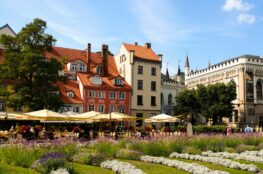
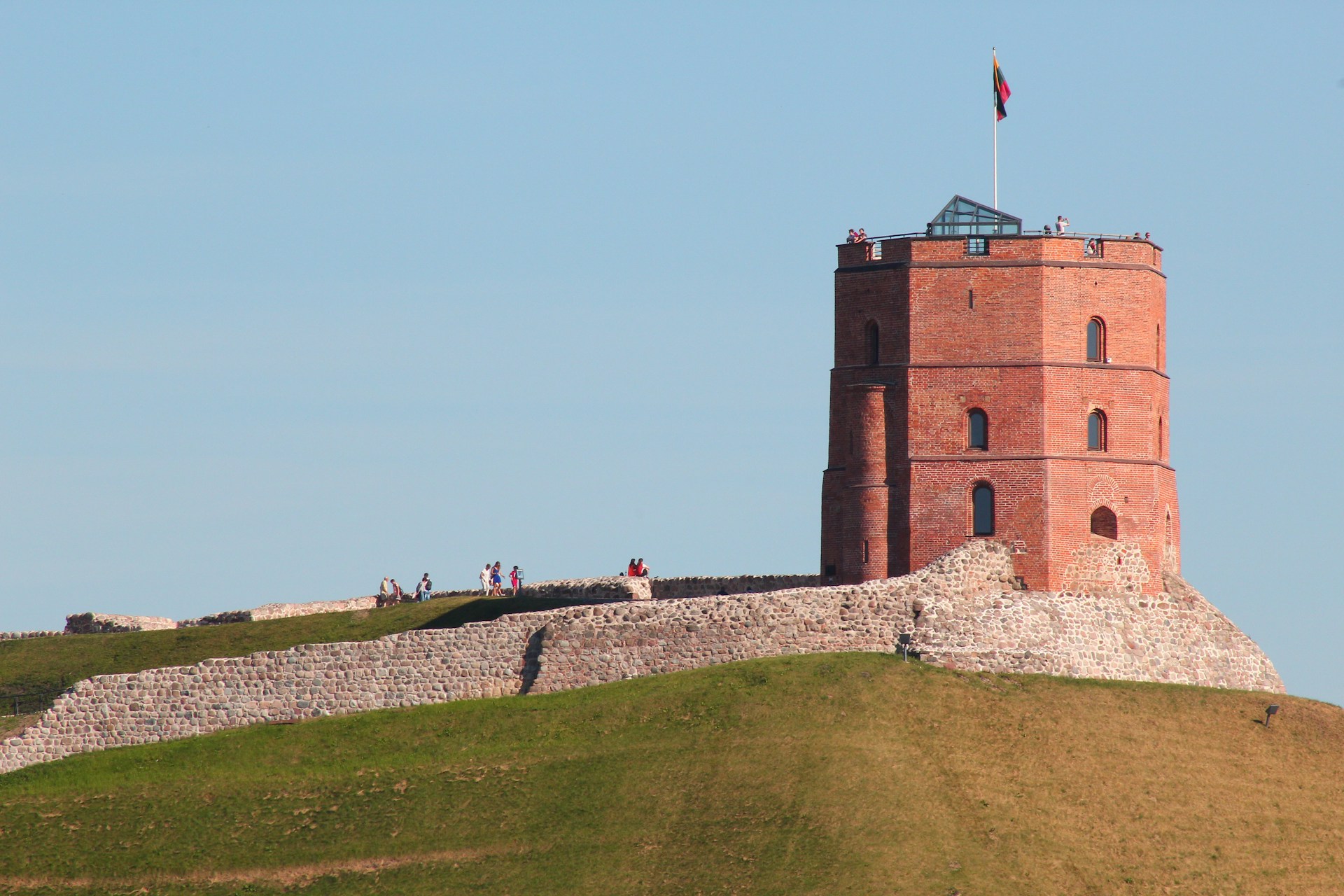
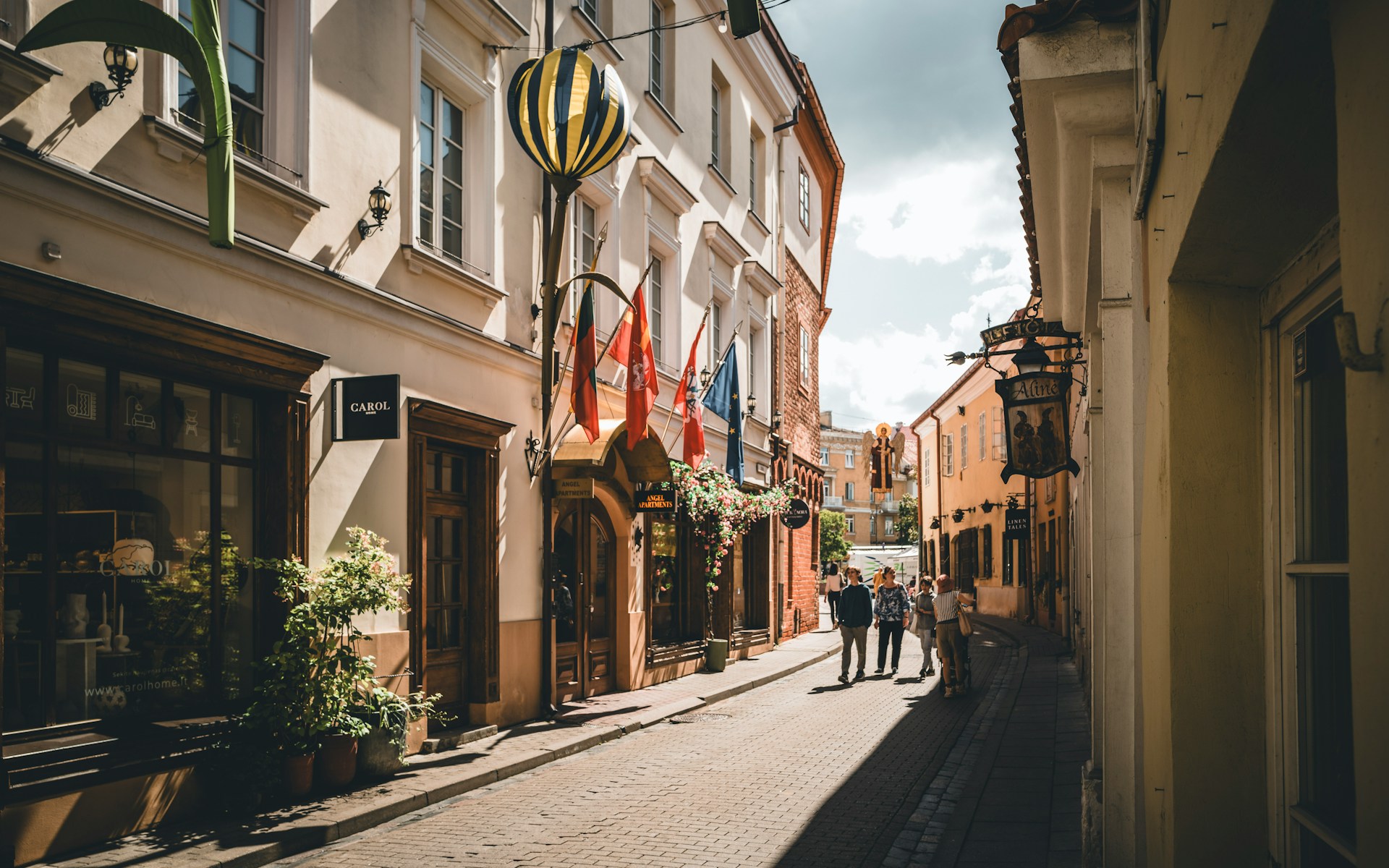
The best way to understand that history is simply to walk. The Old Town is the natural starting point, with narrow streets opening into small courtyards, churches and squares. Pilies Street is lined with cafés, restaurants and shops, while Cathedral Square provides a more imposing sense of the city. Gediminas’ Tower, sitting on the hill above the centre, is one of the defining landmarks and offers wide views over the red roofs, church towers, and surrounding greenery.
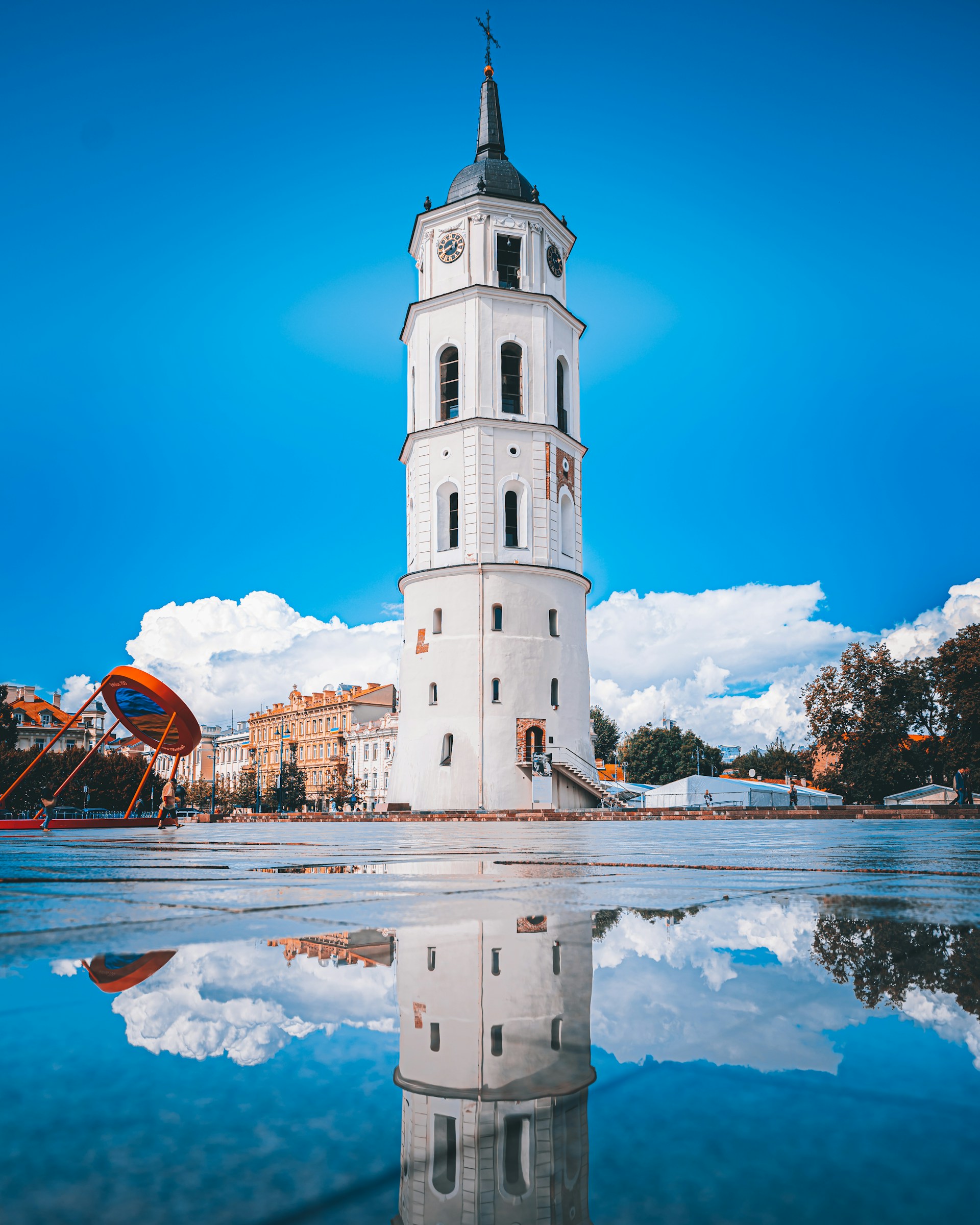
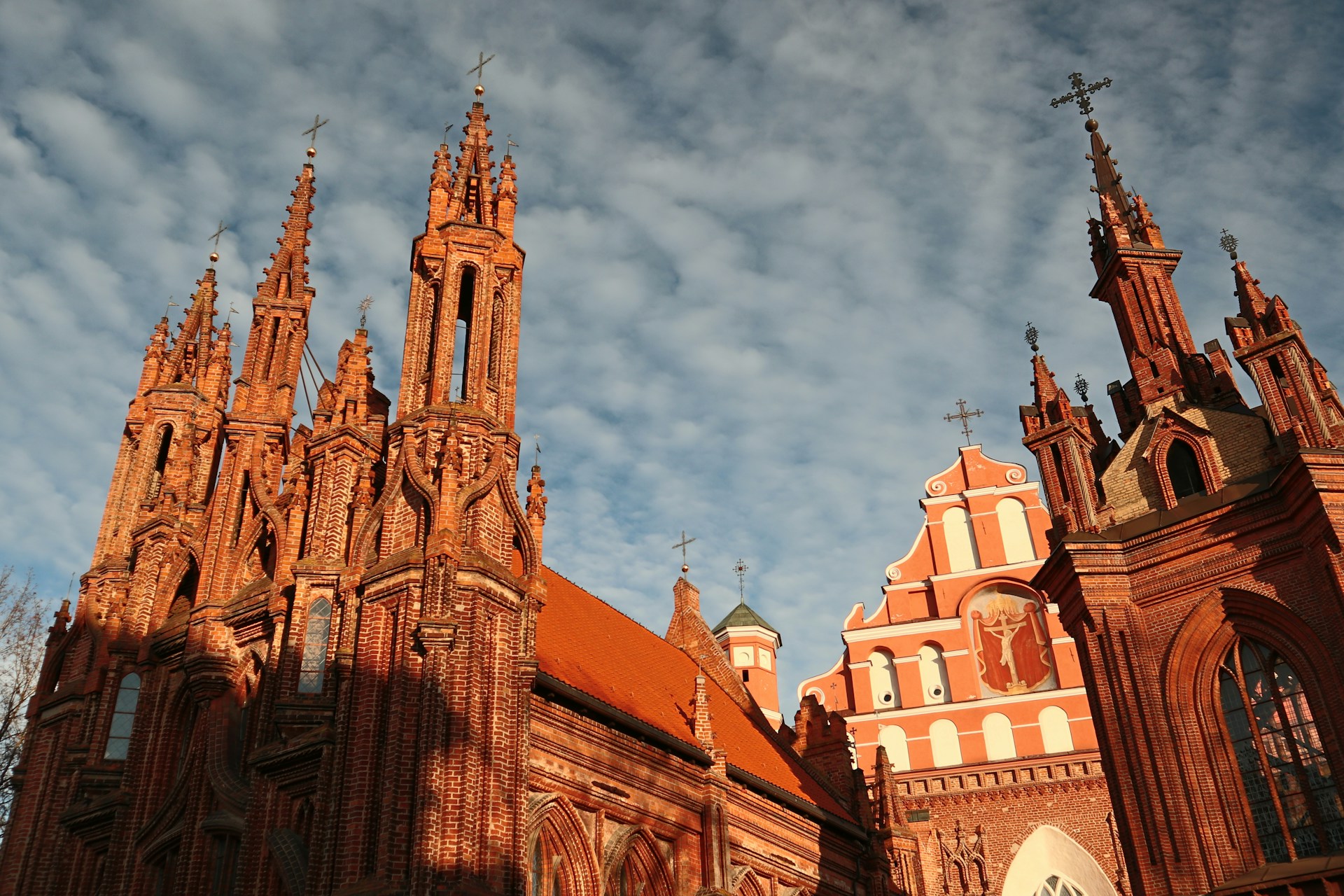
The Historic Centre, with its medieval street plan and mixture of Gothic, Renaissance, Baroque and Classical buildings, has been a UNESCO World Heritage Site since 1994. The Cathedral Basilica, St Anne’s Church, and the Bernardine Church are among other architectural highlights, while the Gate of Dawn is one of the city’s best-known historic landmarks. Those interested in the darker chapters of the 20th century can spend time at the Museum of Occupations and Freedom Fights, housed in the former KGB building.
Užupis and beyond Old Town
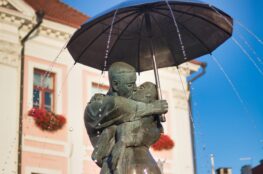
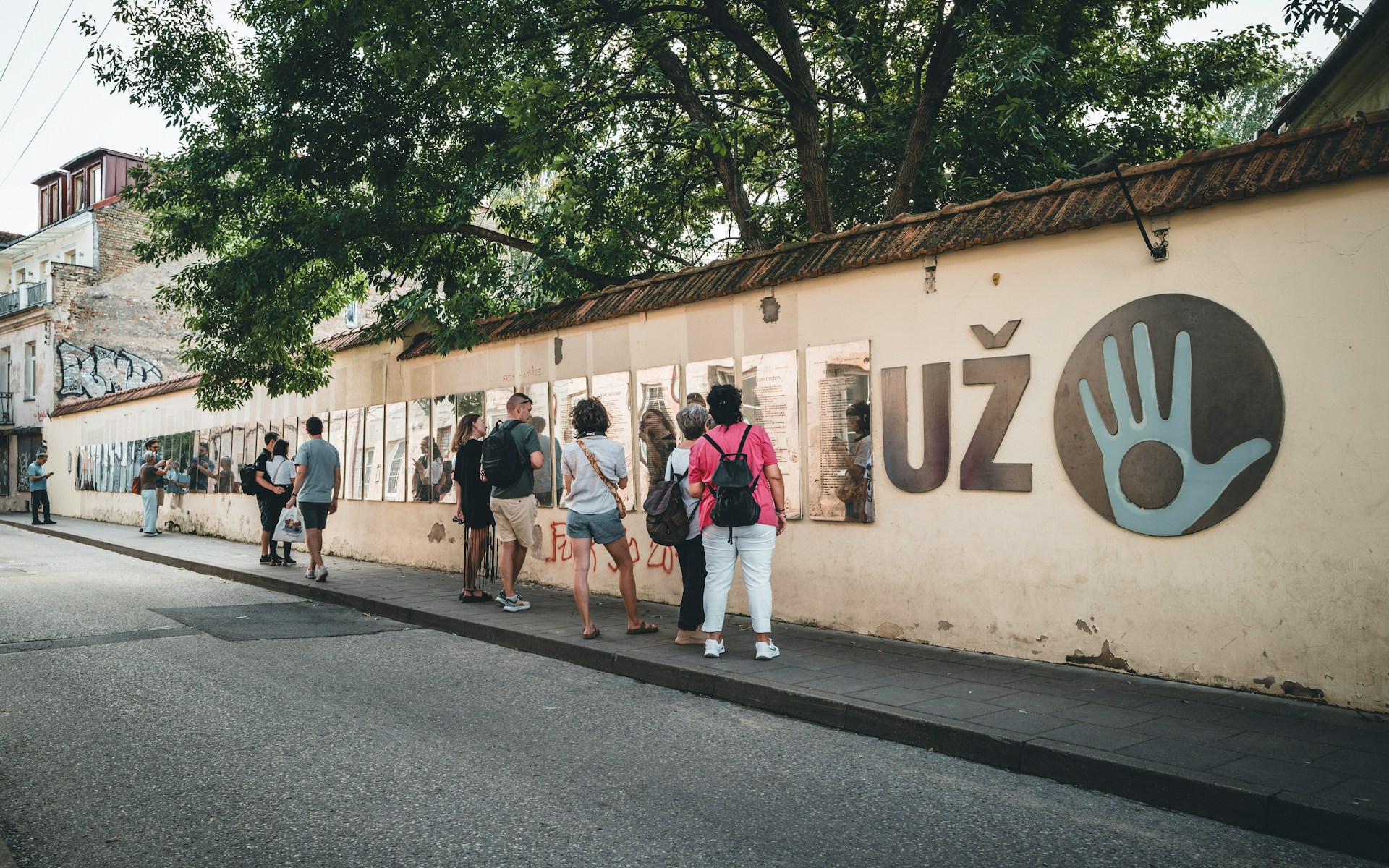
One of the neighbourhoods that makes Vilnius different from many other European capitals is Užupis. Separated from the Old Town by the Vilnelė River, this former working-class district developed into an artists’ community and famously declared itself an independent republic on April 1, 1997. It has its own constitution, flag and tongue-in-cheek institutions.
Today, Užupis is a pleasant place to wander without a particular destination. There are independent cafés, small galleries, colourful walls, courtyards and riverside spots. In May and June, when outdoor seating becomes part of everyday life, it is particularly enjoyable to linger here rather than simply arrive, take photographs and leave.
The Glass Quarter, with its historic courtyards and artisan workshops, offers another quieter side of the Old Town. For a more contemporary feel, head towards Naujamiestis and the station district. Once largely associated with transport and industry, the area has developed a creative identity of its own, with street art, cafés, bars, music venues and cultural spaces.
Vilnius is also unusually green for a European capital. Vingis Park, the banks of the Neris and Vilnelė rivers, Bernardine Garden and the wooded areas around the city give visitors plenty of opportunities to step away from buildings. A walk up the Hill of Three Crosses is worthwhile for the view, particularly on a clear evening.
May and June are for being outdoors
The long daylight changes the rhythm of the city. May generally brings mild days and cool mornings and evenings, while June is warmer, with daytime temperatures often around the low 20s Celsius. Rain is possible in both months, so a light waterproof layer is useful, but warm spells can make afternoons feel distinctly summery.
The extra daylight means there is little reason to hurry through the city. Coffee can stretch into lunch, a museum visit can be followed by a riverside walk, and dinner can easily become an evening outdoors.
This is also the season to experience Vilnius from the water. Kayaking on the Neris or Vilnelė offers a different view of the city, while cycling is a practical way to reach parks and greener neighbourhoods. The city also offers hiking trails, outdoor activities and even hot-air-balloon rides over the Old Town when conditions allow.
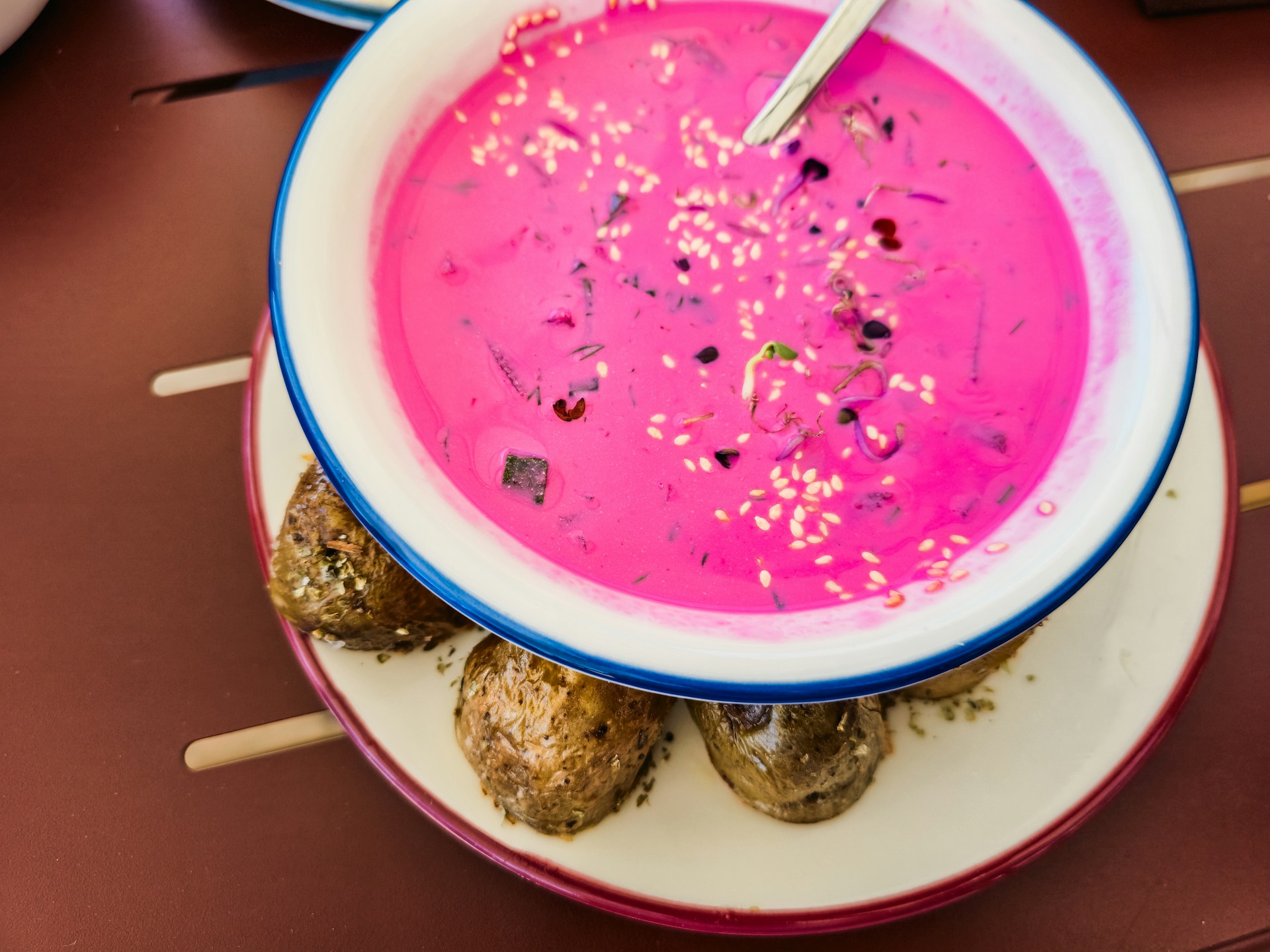
May and June also bring a wide variety of cultural events. The annual Vilnius Pink Soup Fest takes place in late May, celebrating Lithuania’s famous cold beetroot soup, šaltibarščiai, with food, music, and city-wide activities. In June, Culture Night turns the city into a huge open-air venue, with concerts, performances, exhibitions and other events taking place across Vilnius.
For a visitor staying several weeks, these events are significant because they offer something beyond conventional sightseeing. You can simply join the city’s everyday summer life.
Eat your way through Lithuania
Lithuanian food makes particularly good sense in Vilnius because the city offers both traditional cooking and a taste of modern cuisine.
Start with šaltibarščiai, the bright pink cold beetroot soup made with kefir or buttermilk, cucumber, dill and other fresh ingredients. This is very popular with both locals and visitors and is exactly the sort of dish that feels right when sitting outside on a June afternoon. It is traditionally served with boiled potatoes.
Then try cepelinai, Lithuania’s famous stuffed potato dumplings, usually filled with meat and served with a rich accompaniment. Kugelis, a baked potato dish, and crispy potato pancakes are other classics worth seeking out. Dark rye bread is an important part of Lithuanian food culture, while kibinai — crescent-shaped pastries associated with Lithuania’s Karaite community — make a good lighter meal or snack. For dessert, look for šakotis, the distinctive tree-shaped cake traditionally prepared for celebrations.
There is much more to Vilnius than traditional food, though. The city has growing contemporary dining spots, international restaurants, vegetarian and vegan options, cafés and bakeries. Its Michelin-listed restaurants add another reason for food lovers to stay longer rather than trying to squeeze every meal into a short visit.
Summer also means markets and outdoor dining. Paupys Market is one option for a more contemporary food experience, while open-air terraces around the city make space for lingering over coffee or beer, or enjoying a relaxed dinner.
Evenings are a different side of Vilnius
As the day gives way to evening, Vilnius takes on a different mood. The city has a lively nightlife scene, but you do not need to be a clubber to enjoy it.
The area around Vilniaus and Islandijos streets is one of the established nightlife centres, with bars, restaurants, and clubs close together. Naujamiestis and the station district have a more alternative character, with beer gardens, live music venues, and cultural spaces. The station area, in particular, has become known for its bars, events, and creative atmosphere.
In May and June, outdoor terraces make evenings especially pleasant. You can have a long dinner, move to a cocktail bar, catch live music or simply sit outside with a Lithuanian beer while the sky stays light late into the evening. The city’s summer programme also brings concerts, performances, and festivals into parks and public spaces.
For travellers staying longer, nightlife here does not have to mean repeating the same club every weekend. There are neighbourhood bars, cultural events, live music, rooftop terraces, and seasonal celebrations to discover gradually.
Could you stay for a month?
Yes — and Vilnius is more interesting when you have the time.
The city is compact enough that the main historic centre can be explored on foot, while buses and trolleybuses make it easy to reach neighbourhoods farther out. More importantly, there is enough daily activites to fill the gaps between sightseeing. A long-stay visitor can spend a morning working from a café or coworking space, take an afternoon walk through a park, cook or eat at a local market, visit a gallery, join an evening event and still have plenty of the city left to discover.
Vilnius also has a growing technology and startup community. Coworking options include spaces associated with Tech Zity, which operates several work-focused locations and deliberately combines workspaces with events, restaurants, and community activities. Tech Park, set beside Sapiegas Park, is another hub for startups and technology companies.
For a digital nomad, the city’s strongest advantage may simply be its balance. You can work during the day without being trapped in a business district, then switch easily into leisure mode. On a sunny afternoon, the Neris riverbank, a park or an outdoor café can become an informal second office.
A month also gives visitors time to explore beyond the standard attractions. Take a local food class, join a walking or cycling tour, attend a concert, spend an afternoon in a museum, try kayaking, explore the city’s markets, follow its street-art trail or simply choose a different neighbourhood for dinner each week. A weekend can be spent at Trakai, with its famous island castle, while Kaunas is easily reached by train. For a longer break, Klaipėda provides access to Lithuania’s Baltic coast.
Vilnius as a base for the Baltics
The capital also works well for travellers who want to combine Lithuania with other parts of the region. Vilnius Airport is close to the city, and the airport railway station is only a short walk from the terminal; the train takes as little as eight minutes to reach Vilnius Railway Station.
From the railway station, international travel is becoming increasingly convenient. There is a direct daily Vilnius–Riga train, taking about four hours, while rail connections also extend towards Tallinn and Warsaw, with transfers on some routes.
That makes Vilnius particularly appealing for a longer European trip. You can use the Lithuanian capital as a base and add short breaks in Latvia, Estonia or Poland rather than changing accommodation every few days.
Vilnius is a city that rewards time. Come for the medieval streets and the castle tower, by all means. But stay longer for the cafés, neighbourhoods, riverside walks, pink soup, summer concerts, late evenings and the feeling of gradually becoming familiar with a city rather than simply passing through it.