
Beyond its glaciers, waterfalls, and volcanic landscapes, Iceland has long been a favourite among birders. Every summer, its cliffs, coastlines, and wetlands become home to millions of birds, drawing visitors from around the world to witness one of the island’s most remarkable seasonal spectacles.
Among Iceland’s many feathered residents, one steals the spotlight: the Atlantic puffin.
With its brightly coloured bill and awkwardly endearing waddle, the puffin has become one of Iceland’s most beloved avian species. Yet while these beautiful seabirds draw bird enthusiasts from around the world, they are only one part of a remarkably rich birdlife that makes Iceland one of Europe’s finest bird-watching destinations.
The Puffin Season
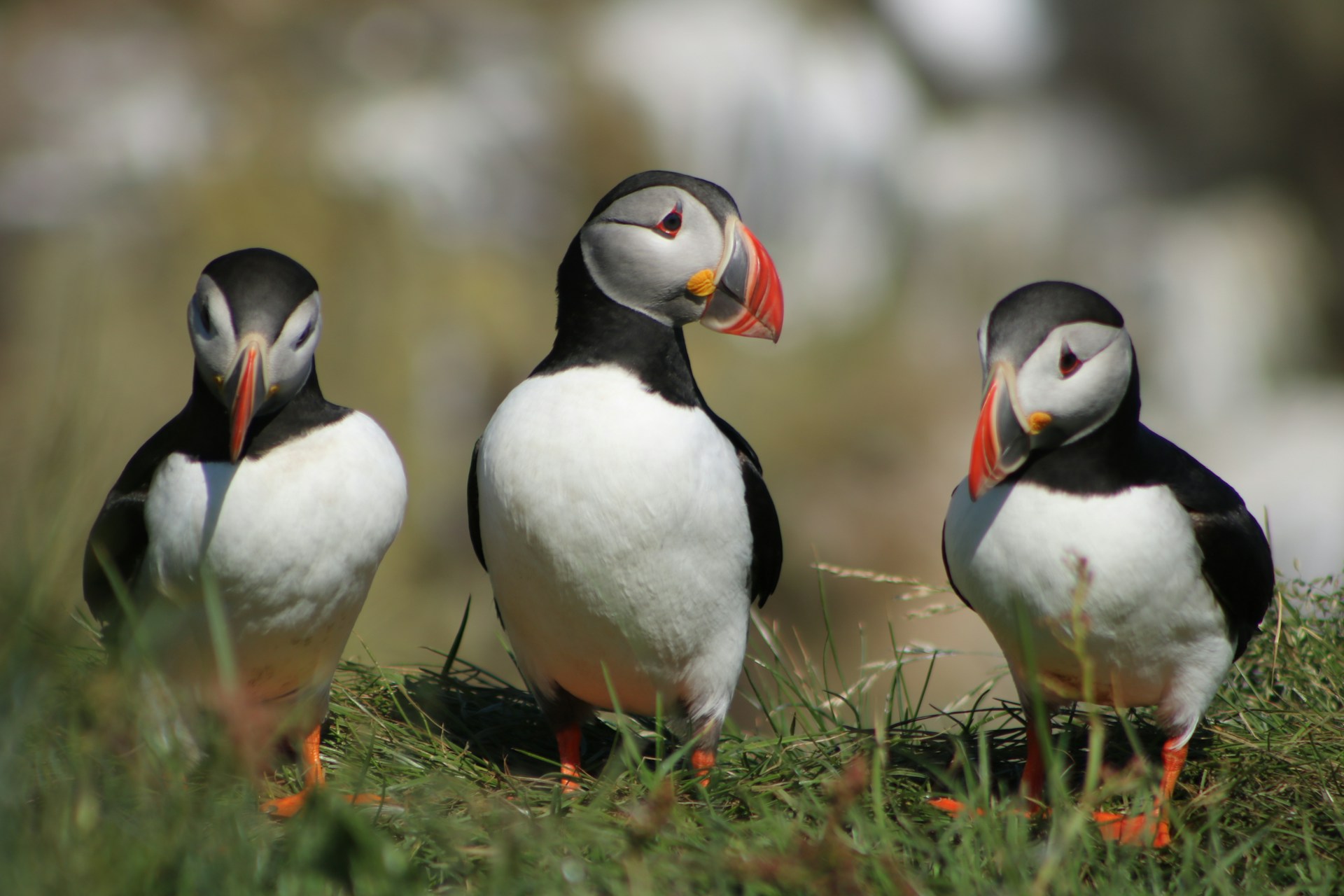
Iceland is home to the world’s largest Atlantic puffin population, with an estimated 60 per cent of the species breeding along its shores. For bird enthusiasts, this alone is reason enough to visit.
Puffins spend most of their lives far out at sea, only returning to land to breed. They typically arrive in Iceland between late April and early May, transforming otherwise quiet cliffs into bustling seabird habitats. By June and July, activity reaches its peak as adults shuttle back and forth carrying beaks full of tiny fish to feed their chicks.
August marks the beginning of the end of the season. The young pufflings leave their burrows under the cover of darkness and head towards the ocean, while adults gradually depart. By early September, most puffins have vanished once again into the North Atlantic.
For the best chances of seeing them, June and July offer the ideal combination of abundant bird activity, long daylight hours, and favourable weather.
Where to Find Iceland’s Puffins
One of Iceland’s most popular puffin sites is Látrabjarg, a towering cliff system in the remote Westfjords. Stretching for kilometres along the coast, these cliffs host vast colonies of puffins alongside countless other seabirds.
What makes Látrabjarg particularly special is how approachable the puffins can appear. Unlike many birds that retreat at the slightest disturbance, puffins here often remain surprisingly unfazed by human presence, allowing visitors extraordinary viewing opportunities. However, respectful distance and caution near the cliff edges remain essential.
Another famous location is the Westman Islands, or Vestmannaeyjar, off Iceland’s south coast. The islands support one of the country’s largest puffin populations and have become synonymous with these colourful birds. Every summer, local children traditionally help rescue disoriented pufflings that mistake town lights for moonlight on their first journey to sea, guiding them safely back towards the ocean.
Elsewhere, smaller puffin habitats can be found around Dyrhólaey in South Iceland, Borgarfjörður Eystri in the east and several offshore islands scattered around the coast.
More Than Puffins: Iceland’s Seabird Spectacle
While puffins often steal the spotlight, Iceland’s seabird varieties are astonishingly diverse.
Look closely at the cliffs of Látrabjarg or Dyrhólaey and you may spot the elegant black-and-white razorbill. Slightly larger than puffins, these sleek birds gather in noisy groups during the breeding season.
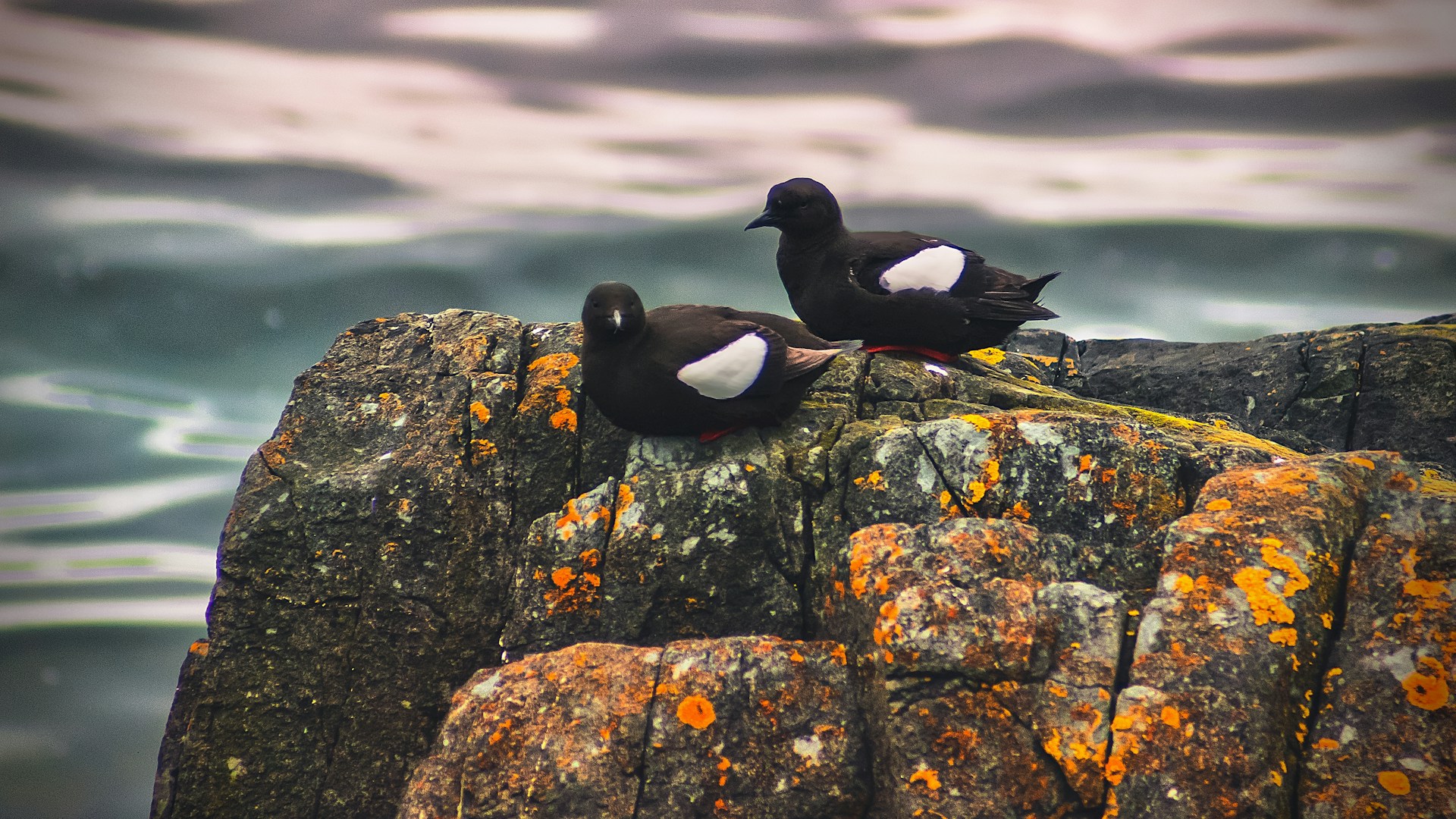
Sharing the same ledges are common guillemots and Brünnich’s guillemots, standing shoulder to shoulder on narrow cliff shelves. Their upright posture and densely packed movements create one of Iceland’s most impressive wildlife spectacles.
The tiny little auk is another favourite among dedicated bird watchers. Although more commonly associated with Greenland and the High Arctic, Iceland occasionally offers opportunities to encounter these energetic seabirds, particularly in northern waters.
Northern fulmars, meanwhile, glide effortlessly along the cliffs, their stiff-winged flight often mistaken for that of gulls by inexperienced observers. Once hunted extensively, they are now among Iceland’s most familiar seabirds.
Ducks in Lake Mývatn
Away from the crashing waves and sea cliffs lies one of Iceland’s greatest birdwatching treasures.
Located in the north of the country, Lake Mývatn is renowned for its unique diversity of ducks.
The shallow lake and surrounding wetlands provide ideal breeding conditions for numerous species. Visitors may encounter tufted ducks, Eurasian wigeons, common scoters, and the striking barrow’s goldeneye.
Tufted ducks are easily recognised by the distinctive tuft of feathers that gives the species its name. Males have glossy black-and-white plumage with bright yellow eyes, while females are a more subdued brown. They are diving ducks, often disappearing beneath the surface in search of aquatic insects, molluscs, and plant material.
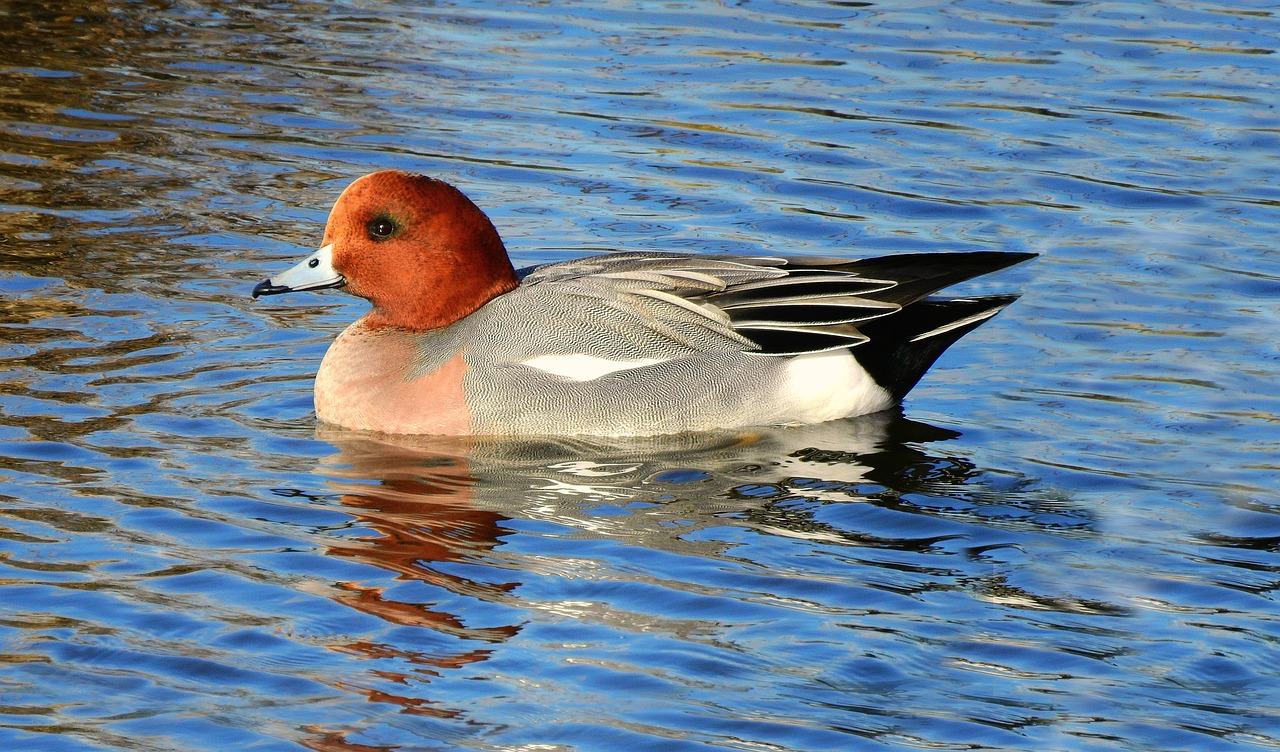
Eurasian wigeons are among Iceland’s most elegant dabbling ducks. The males stand out with their chestnut heads and creamy-yellow foreheads during the breeding season, while females are mottled brown. They typically feed by grazing on vegetation in shallow water or along grassy shorelines.
Common scoters are sea ducks that breed around Iceland’s freshwater lakes and wetlands before moving to coastal waters. The males are entirely black with a distinctive yellow-orange knob at the base of the bill, whereas females are dark brown. They dive underwater to feed on insects, crustaceans, and other small aquatic prey.
Among all these, the barrow’s goldeneye is especially noteworthy. Iceland supports Europe’s only breeding population of barrow’s goldeneye, making Lake Mývatn the ultimate site for many bird lovers. Unlike many of Iceland’s other ducks, barrow’s goldeneyes favour clear freshwater habitats and are often seen diving beneath the surface in search of aquatic insects and small invertebrates.
Harlequin ducks, with their intricate plumage patterns, are another sought-after sight. These ducks usually prefer turbulent rivers and streams, where they feed on aquatic insects and other small invertebrates. Iceland is one of the few places in Europe where birdwatchers have a realistic chance of observing this species in its breeding habitat.
Arctic Terns
Arctic terns are among Iceland’s most popular summer visitors. They arrive in late April and May and remain until August, nesting in coastal areas, islands, wetlands, and even near some harbours and settlements.
These graceful birds undertake one of the longest migrations in the animal kingdom, travelling between the Arctic and Antarctic each year, covering tens of thousands of kilometres. During Iceland’s summer months, they return to breed in huge numbers.
They can be seen across much of the country, but are especially common around the Westman Islands, the Snæfellsnes Peninsula, the Westfjords and the wetlands surrounding Lake Mývatn. They often nest in open ground close to the shore, where their colonies can range from a handful of pairs to hundreds of birds.
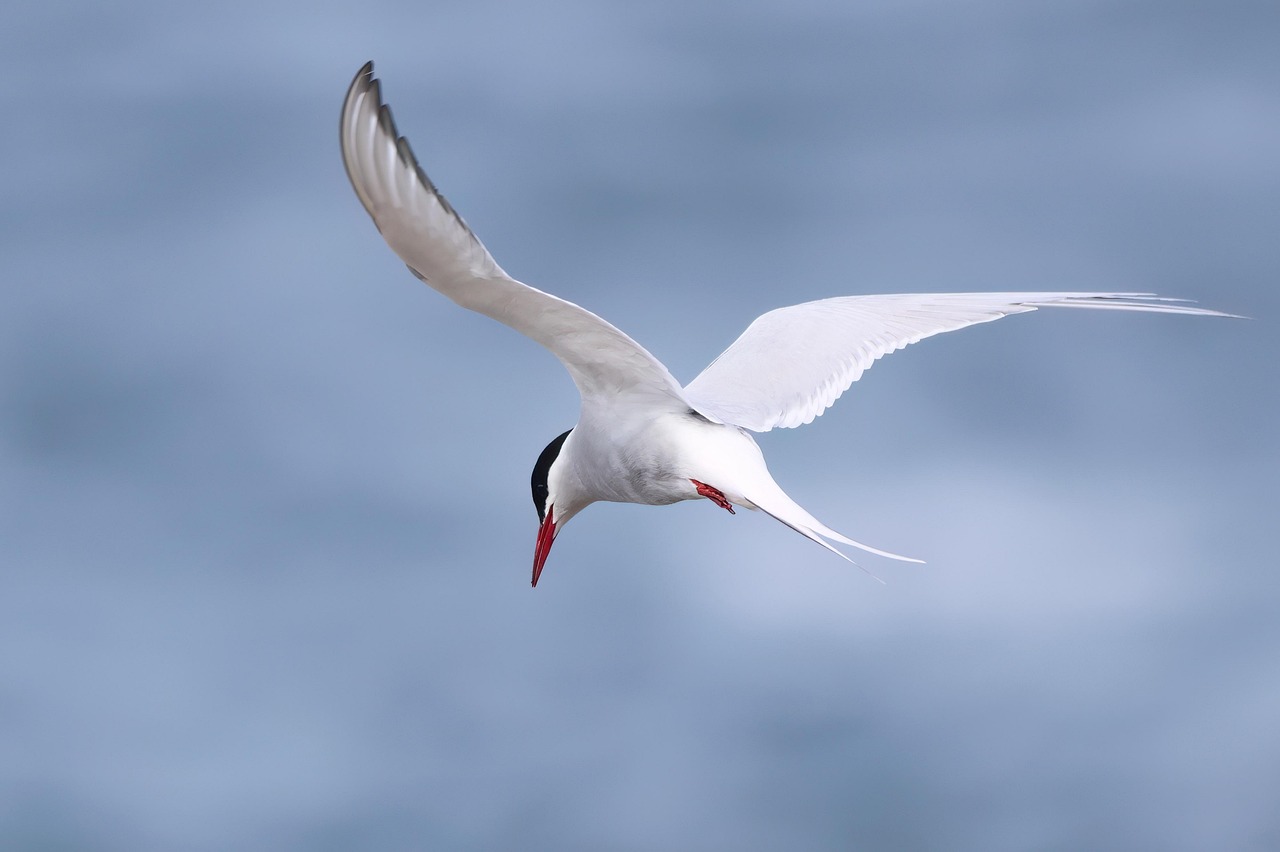
Arctic terns are fiercely protective parents and bird watchers should be aware that they actively defend their nesting sites. During the breeding season, they may swoop low over people who venture too close to their nests. In many locations, visitors are advised to remain on marked paths and keep a respectful distance.
Easily recognised by their slender build, forked tails and pointed wings, Arctic terns are graceful fliers that spend much of their lives over the open ocean. They feed mainly on small fish and marine invertebrates, often hovering briefly before plunging into the water to catch prey.
Rare Birds and Changing Seasons
Iceland’s position between North America and Europe means that uncommon and rare birds occasionally appear, generating excitement within the birdwatching community.
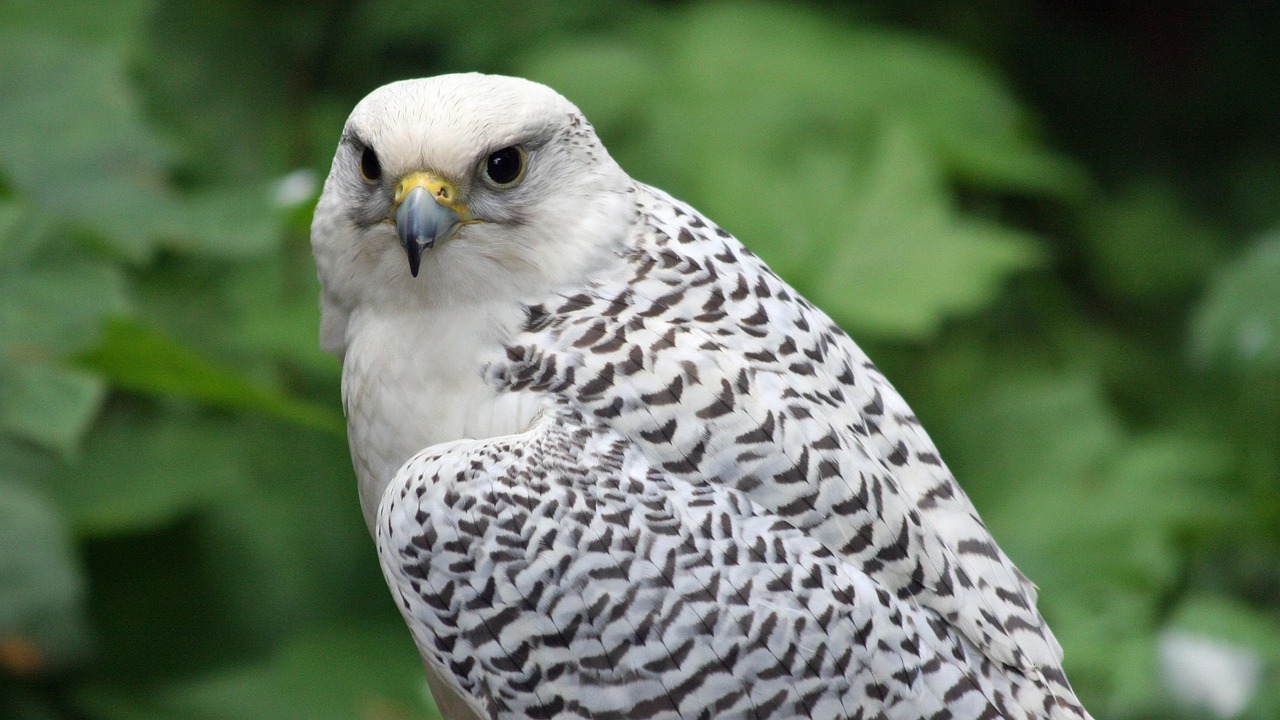
One of the country’s most coveted residents is the gyrfalcon, Iceland’s only native bird of prey. The world’s largest falcon, it inhabits remote landscapes across the island. Spotting one requires patience, luck, and often local knowledge, but the reward — birders will say — is worth it.
Another prized species is the great skua, known locally for its aggressive temperament. These powerful seabirds patrol coastal breeding grounds and readily defend their territories against much larger intruders.
White-tailed eagles, once close to disappearing from Iceland, have made a gradual recovery and are increasingly observed in the Westfjords and western regions.
Winter visitors bring their own excitement. The magnificent snowy owl occasionally appears, though sightings remain rare and unpredictable. For birdwatchers, such encounters become truly unforgettable.
Then there are the true vagrants: North American warblers, unusual ducks, and stray shorebirds visit during migration. Their appearances cannot be planned, but they add an irresistible element of possibility to every Icelandic birdwatching trip.
Although summer dominates Iceland’s birdwatching calendar, each season offers something different.
Spring heralds the arrival of breeding seabirds and the first returning migrants. Summer delivers its peak, with puffins, ducks, and nesting corners in full swing beneath the glow of the midnight sun.
Autumn brings migration, as countless birds begin their journeys southward. Winter, though quieter, rewards persistence with hardy resident species and the occasional Arctic surprise.


July 31, 2026
[…] just beginning to discover – the Faroe Islands. This remote archipelago, roughly halfway between Iceland and Norway, has quietly become one of Europe’s most fascinating destinations for travellers […]
August 11, 2026
[…] where you least expect them. Most visitors come here for the scenery, but there is another side to Iceland that is just as memorable – soaking in naturally heated geothermal water while surrounded by some […]