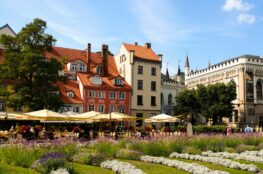
Hungary attracts visitors with its fascinating mix of grand cities, relaxing thermal spas, scenic lake districts and centuries of history. The central European country offers a wide variety of experiences, from urban breaks and outdoor escapes to food, wine and wellness travel, ensuring there is always something new to discover along the way.
Historically, Hungary has stood at the crossroads of empires and cultures. From Roman settlements and medieval kingdoms to Ottoman rule and the Austro-Hungarian Empire, each era has left its mark on the country’s architecture, food and traditions. Today, visitors can experience everything from elegant city boulevards and castle districts to quiet vineyards and vast countryside landscapes.
If you have two weeks to spare, Hungary is best explored at a comfortable pace. This route begins in Budapest before heading through some of the country’s most interesting towns and regions, with each stop revealing a different aspect of Hungarian life.
Budapest (4 Days)
Most journeys through Hungary begin in Budapest, and it is easy to see why. Spread across both sides of the Danube River, the Hungarian capital combines impressive architecture, vibrant cultural and nightlife, and a laid-back café scene.
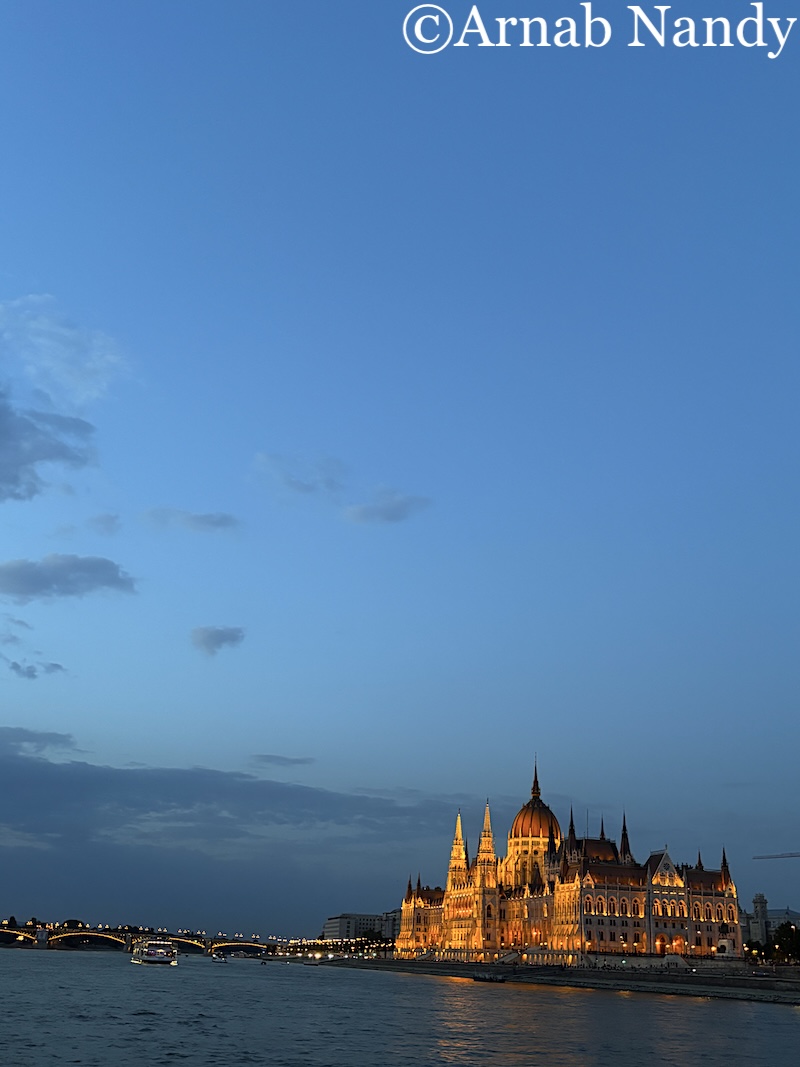
Spend your first couple of days exploring the city’s major landmarks. Walk through the historic Castle District, visit Buda Castle and enjoy panoramic views from Fisherman’s Bastion. Across the river, the Hungarian Parliament Building remains one of the country’s most remarkable sights, particularly when illuminated after dark. A boat ride at sunset could be a treat.
Budapest is also famous for its thermal baths. The grand Széchenyi Thermal Bath in City Park is a popular choice, while Gellért Bath offers a more elegant Art Nouveau setting. If you’re into diving, the city offers unique opportunities in the warm waters beneath its surface. Between sightseeing, make time for a stroll along Andrássy Avenue, a visit to St. Stephen’s Basilica and a stop at the bustling Central Market Hall. These attractions can comfortably occupy a day and a half, offering a mix of history, architecture and local life.
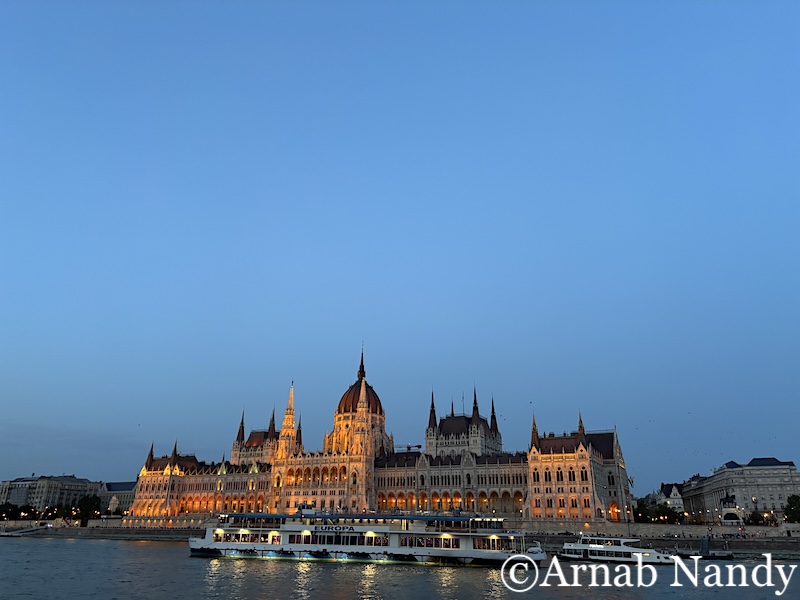
In the evenings, the city takes on a different character. Riverside walks, ruin bars and lively restaurant districts make Budapest a fun place to linger. Whether enjoying a leisurely walk along the Danube or shaking a leg at one of the city’s unique nightlife spots in District 5, there is more than enough to fill another day in the Hungarian capital.
Once you’ve had a fill of the capital, take a direct train northeast to Eger. The journey takes around two hours.
Eger (2 Days)
Smaller and more relaxed than Budapest, Eger offers a glimpse into Hungary’s historic heartland. The town is known for its beautiful Baroque architecture, medieval history, and wine culture.
The main attraction is Eger Castle, where Hungarian defenders famously resisted an Ottoman siege in 1552. The castle grounds provide excellent views over the town and an introduction to one of Hungary’s most celebrated historical events.
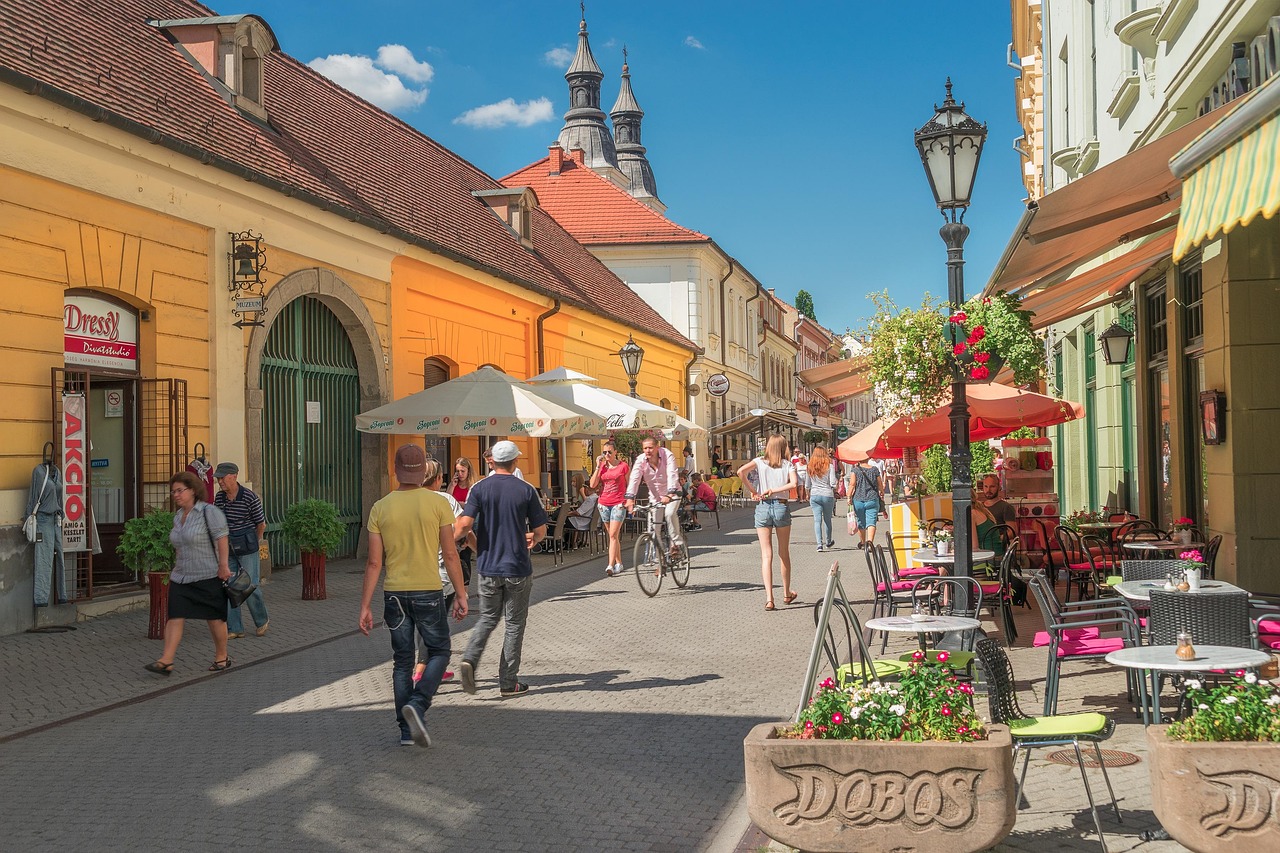
Beyond the castle, Eger’s scenic centre is ideal for wandering. The colourful buildings around Dobó Square, the elegant Minorite Church, and the northernmost Ottoman minaret in Europe all add character to the town.
No visit is complete without exploring the nearby wine cellars. Eger is best known for Egri Bikavér, or “Bull’s Blood”, one of Hungary’s most famous red wines. The Valley of the Beautiful Woman, just outside the centre, is home to numerous wine cellars where visitors can sample local varieties.
From Eger, travel back towards western Hungary by train to Lake Balaton. Depending on connections, the journey usually takes around three to four hours.
Lake Balaton, Tihany and Balatonfüred (3 Days)
Known as the “Hungarian Sea”, Lake Balaton is Central Europe’s largest lake and a favourite holiday destination for locals. Spending a few days here offers a refreshing change of pace after city sightseeing.
A good base is Balatonfüred, one of the lake’s most attractive resort towns. Its lakeside promenade, historic villas, and relaxed atmosphere make it ideal for leisurely walks and boat trips.
Nearby Tihany, located on a peninsula extending into the lake, is one of Hungary’s most picturesque villages. The hilltop Benedictine Abbey overlooks the water and offers some of the best views in the region. The area is also known for its lavender fields, which add colour to the landscape during the flowering season.
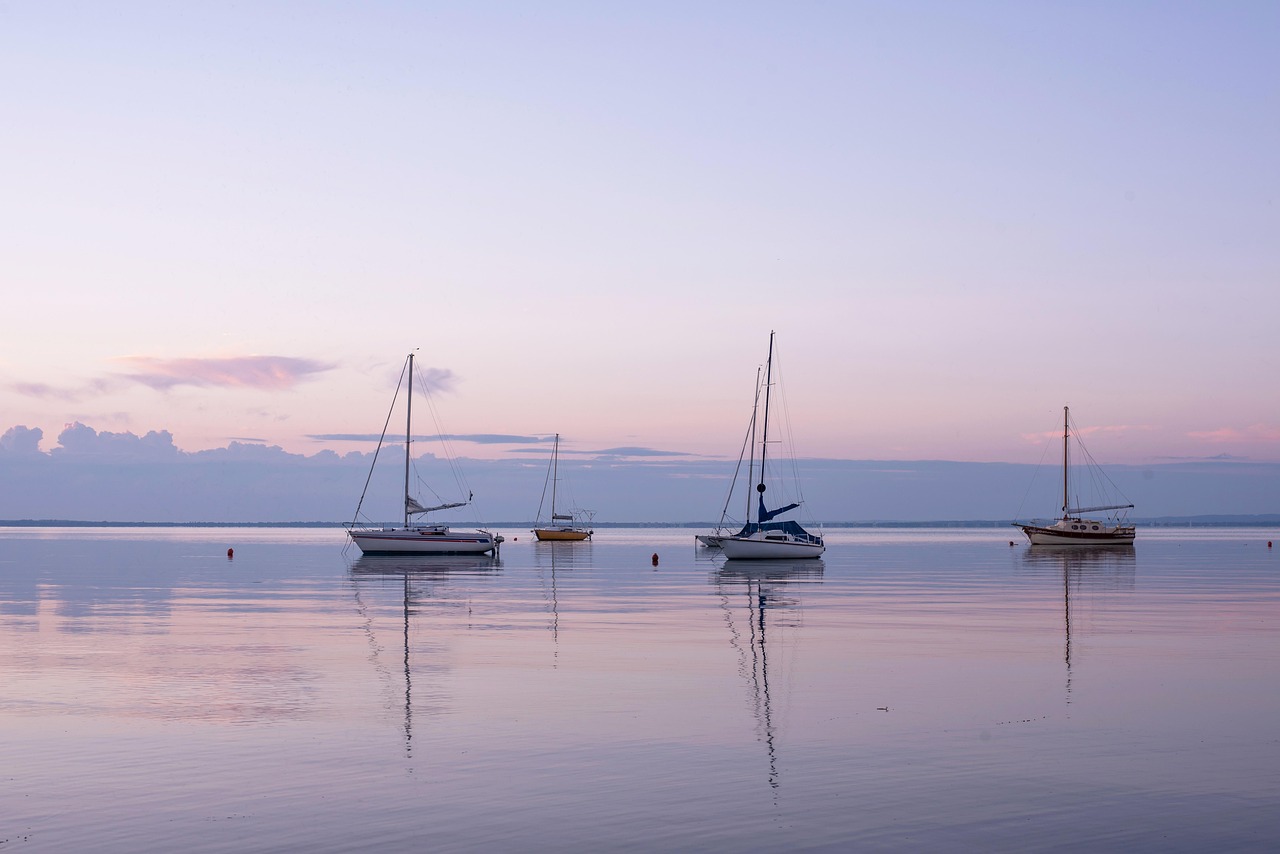
Whether you choose to cycle along the shoreline, take a ferry across the lake or simply relax by the water, Balaton provides a welcome pause in the journey.
From Balatonfüred, continue south by train to Pécs. The trip generally takes around three hours.
Pécs (2 Days)
Close to the Croatian border, Pécs is often considered one of Hungary’s most culturally rich cities. Its long history reflects Roman, Ottoman and Hungarian influences, creating a unique atmosphere that feels different from much of the rest of the country.
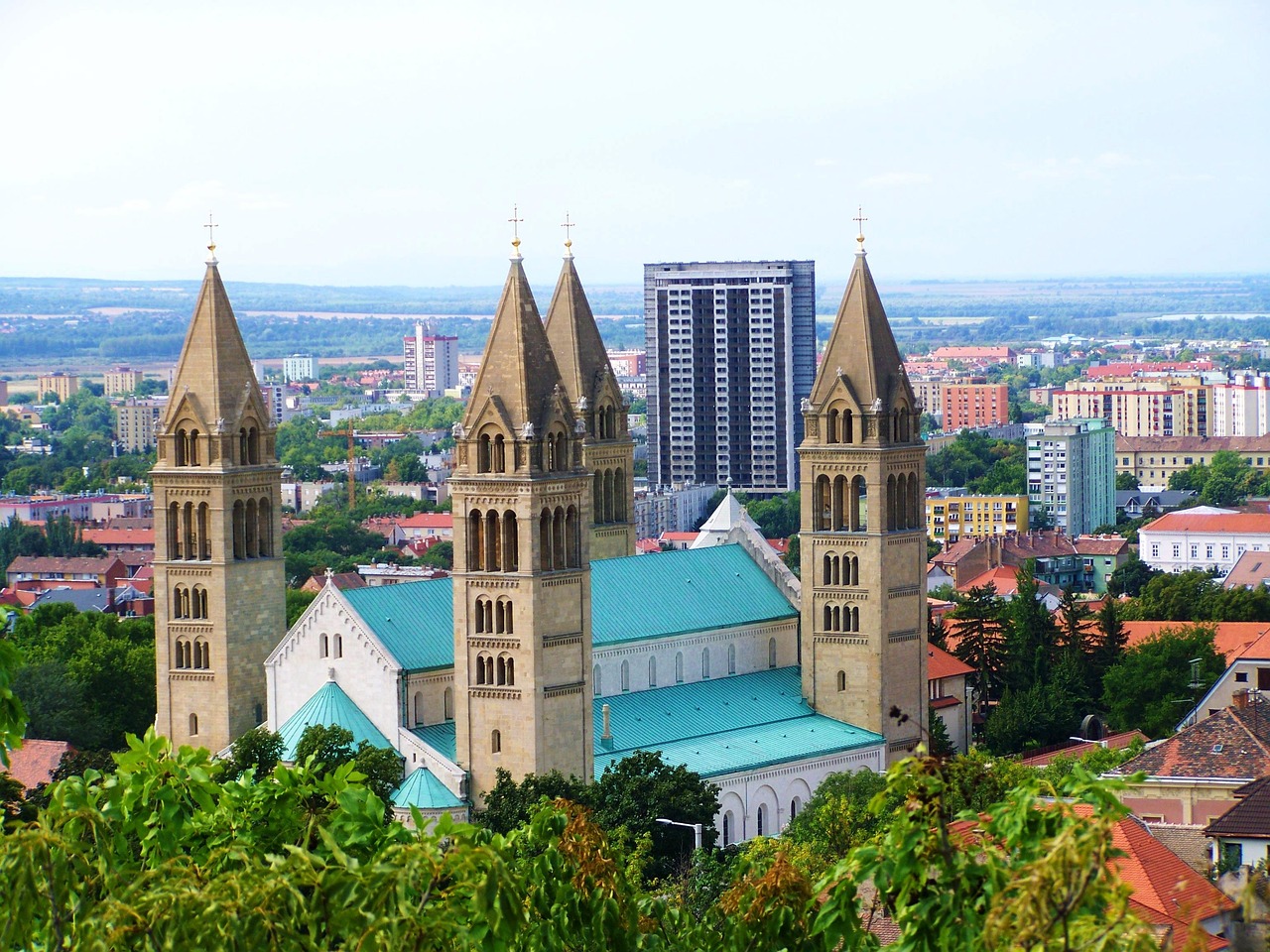
The city’s standout landmark is the Cathedral of Pécs, while nearby Széchenyi Square forms the lively centre of local life. One of the most interesting sights is the Mosque of Pasha Qasim, a reminder of the Ottoman period that still dominates the main square.
The city’s standout landmark is the Cathedral of Pécs, an imposing structure that has watched over the city for centuries. Nearby, Széchenyi Square forms the lively centre of local life. One of the most interesting sights is the Mosque of Pasha Qasim, a reminder of the Ottoman period that still dominates the main square. Its distinctive dome and unusual blend of Ottoman and Christian architectural elements make it one of Hungary’s most famous historic monuments.
History enthusiasts should also visit the Early Christian Necropolis, a UNESCO World Heritage Site featuring underground burial chambers dating back to the Roman era. Decorated with ancient frescoes and tomb chambers, the site offers a fascinating glimpse into the lives and beliefs of the region’s early Christian communities.
Pécs has a strong artistic character as well. Cafés, galleries, and cultural venues fill the historic centre, making it an enjoyable city to explore without a strict schedule.
The next stop, Szeged, can be reached by train in around three hours.
Szeged (2 Days)
Situated near Hungary’s southern border, Szeged is often called the country’s “City of Sunshine” thanks to its relatively warm climate and bright atmosphere.
The city was largely rebuilt after a devastating flood in 1879, resulting in wide boulevards and elegant architecture that give it a noticeably different appearance from many other Hungarian cities.
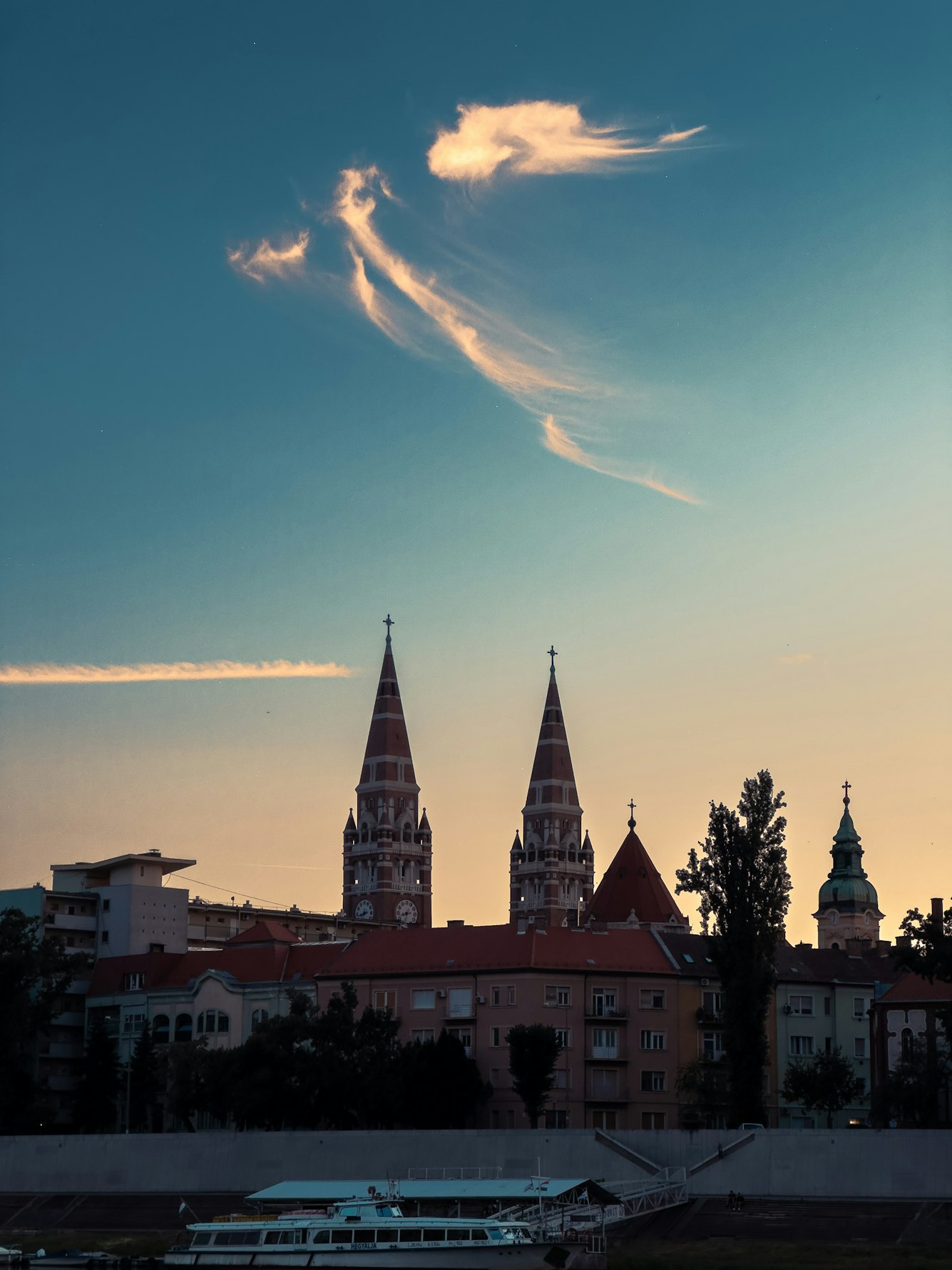
The highlight is Dóm Square, one of the largest and most impressive squares in Hungary, dominated by the striking Votive Church of Szeged with its twin towers and distinctive red-brick façade. The square regularly hosts cultural events and festivals, adding to its lively atmosphere. Nearby streets are lined with cafés and restaurants, creating a pleasant environment for spending an afternoon or a relaxed evening stroll.
Szeged is also known for its food. The city has strong culinary traditions, particularly its famous fish soup, or halászlé, and paprika-based dishes, thanks to the region’s long association with Hungary’s most famous spice. Local markets, traditional restaurants, and family-run eateries provide plenty of choice to sample regional flavours.
From Szeged, direct trains connect to Debrecen in eastern Hungary. The journey takes approximately three hours.
Debrecen and Hortobágy National Park (2 Days)
For the final part of the trip, head to Debrecen, Hungary’s second-largest city and an important cultural centre of the eastern region.
The city’s symbol is the Great Reformed Church, one of the most iconic landmarks at the heart of Debrecen. Its imposing twin towers rise above the city centre, while the church itself has long played an important role in Hungary’s Protestant history.
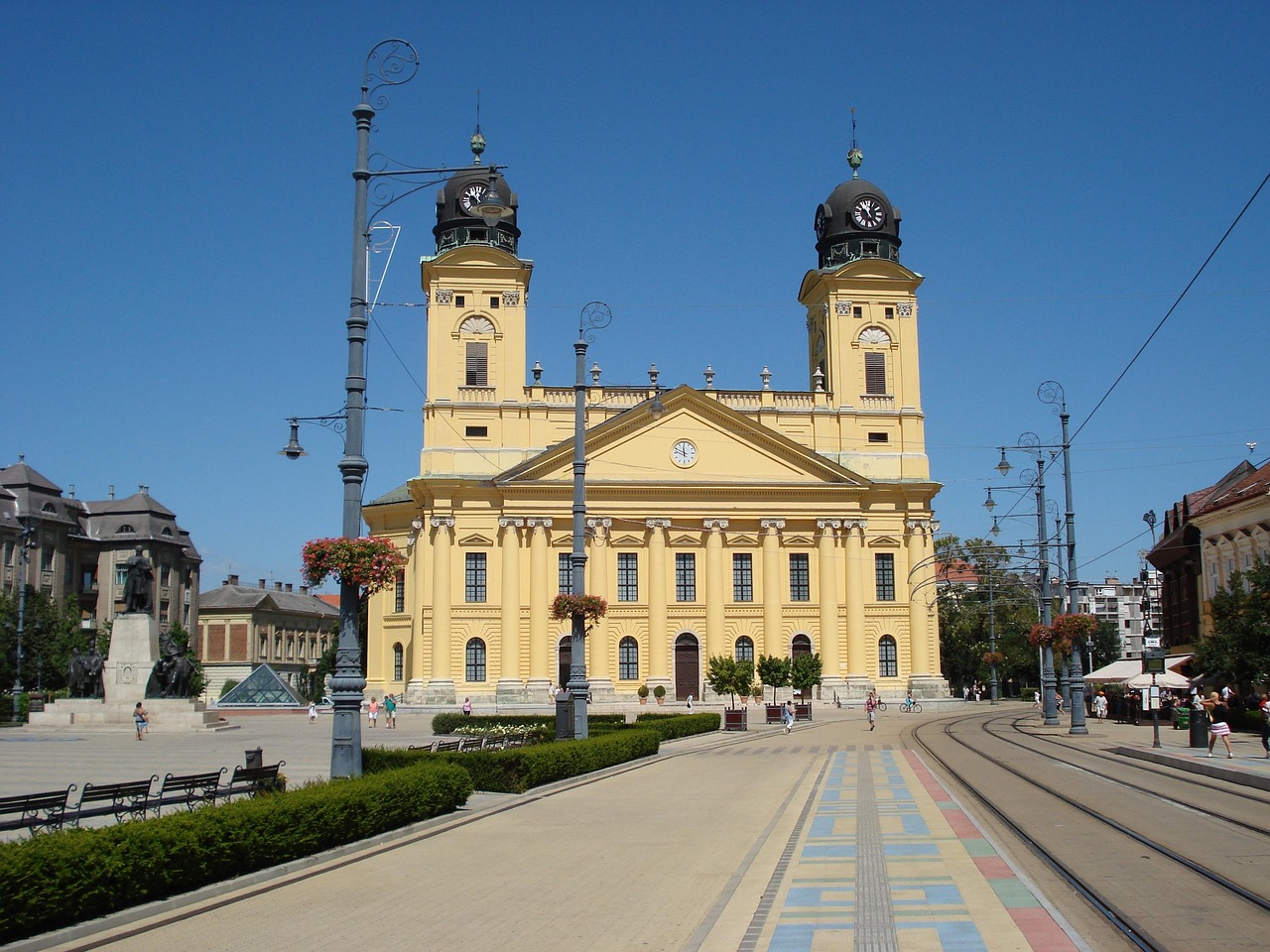
Nearby museums, parks and cafés make Debrecen an interesting spot to spend a day.
However, the real highlight lies just beyond the city. Hortobágy National Park, Hungary’s oldest national park and a UNESCO World Heritage Site, offers a completely different landscape from the rest of the journey. Vast grasslands stretch to the horizon, creating scenery that resembles a European prairie.
Traditional horse shows, shepherd culture, and birdwatching opportunities provide insight into a way of life that has existed here for centuries. It is a fitting final stop, revealing yet another side of Hungary that many visitors often miss.
From Debrecen, regular trains connect back to Budapest in around two and a half hours, making it easy to catch onward flights or continue your travels elsewhere in Europe.