Set in the heart of central Turkey, Cappadocia is known for its unusual landscapes, history, and centuries of human adaptation. Valleys filled with fairy chimneys, cave dwellings, and striking rock formations have been carved over time by volcanic activity and erosion, creating scenery that feels unique unlike anywhere else.
Over time, people adapted to this terrain by carving homes, churches, and even entire settlements into the soft stone, giving Cappadocia a character shaped equally by nature and history.
Today, the region is most famous for its sunrise balloon rides, with skies filled with colourful hot-air balloons becoming its signature image. But beyond the balloons, Cappadocia offers experiences that feel just as memorable — from underground cities and rock-cut monasteries to valleys, cave hotels, and old towns where the landscape itself becomes part of the story.
Here are a few places and experiences that reveal a very different side of Cappadocia —that offers a closer look at the region’s landscapes, history, and everyday character.
Watching Cappadocia wake up from viewpoints
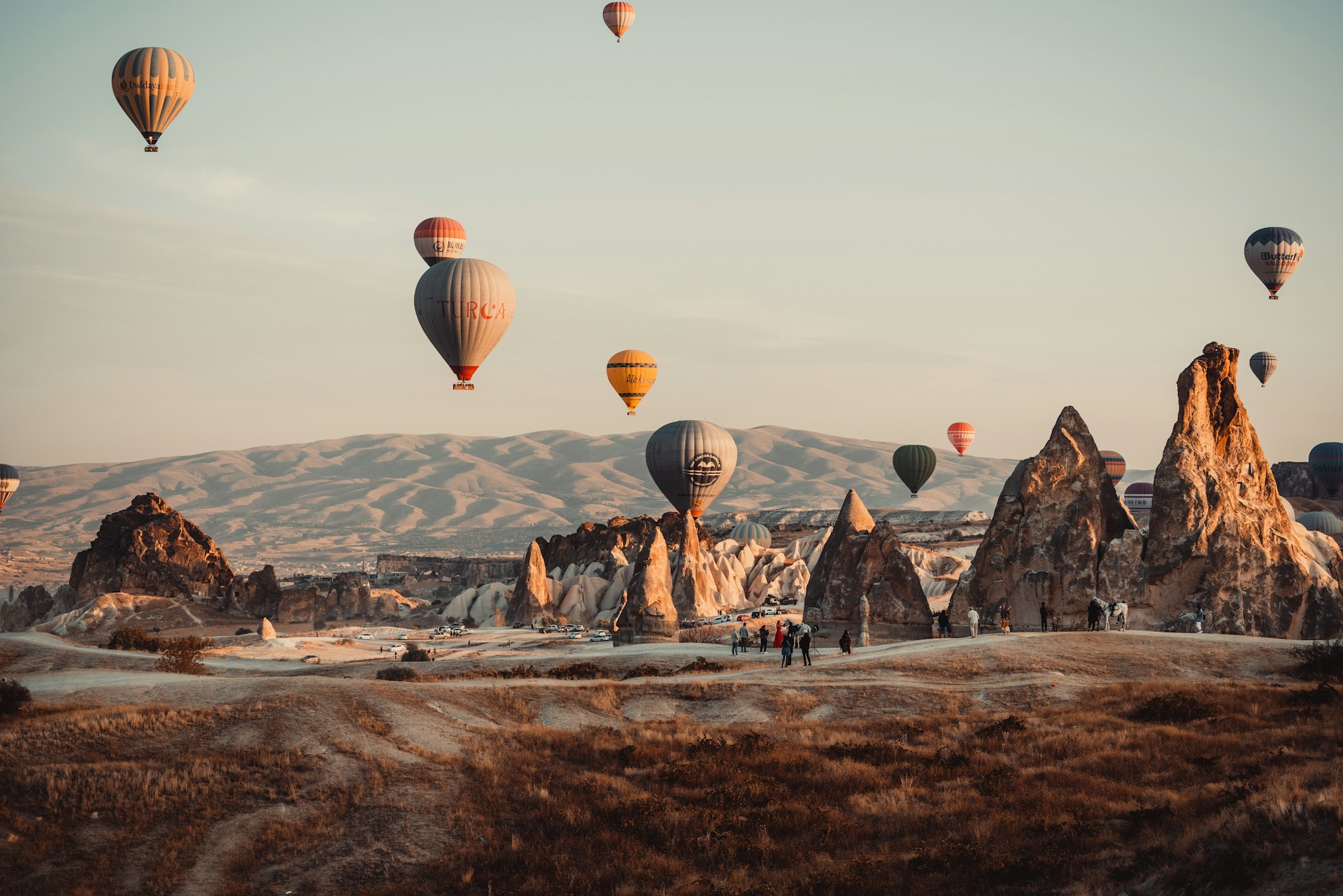
Sunrise in Cappadocia is undoubtedly one of the most memorable parts of a visit. Across the region, several viewpoints overlook valleys where dozens — sometimes hundreds — of balloons slowly rise into the morning sky, creating the same famous spectacle but from the ground.
Around Göreme, places like the Sunrise Point, the ridges near Love Valley and viewpoints in Red Valley attract visitors before dawn to watch Cappadocia gradually reveal itself in morning light.
Before sunrise, the valleys remain quiet and shadowed, their unusual rock formations barely visible against the dark horizon. As daylight slowly spreads, fairy chimneys, cliffs and cave dwellings begin to emerge in soft shades of gold and pink. Balloons drift across the landscape at different heights, sometimes disappearing behind ridges before appearing again above the valleys.
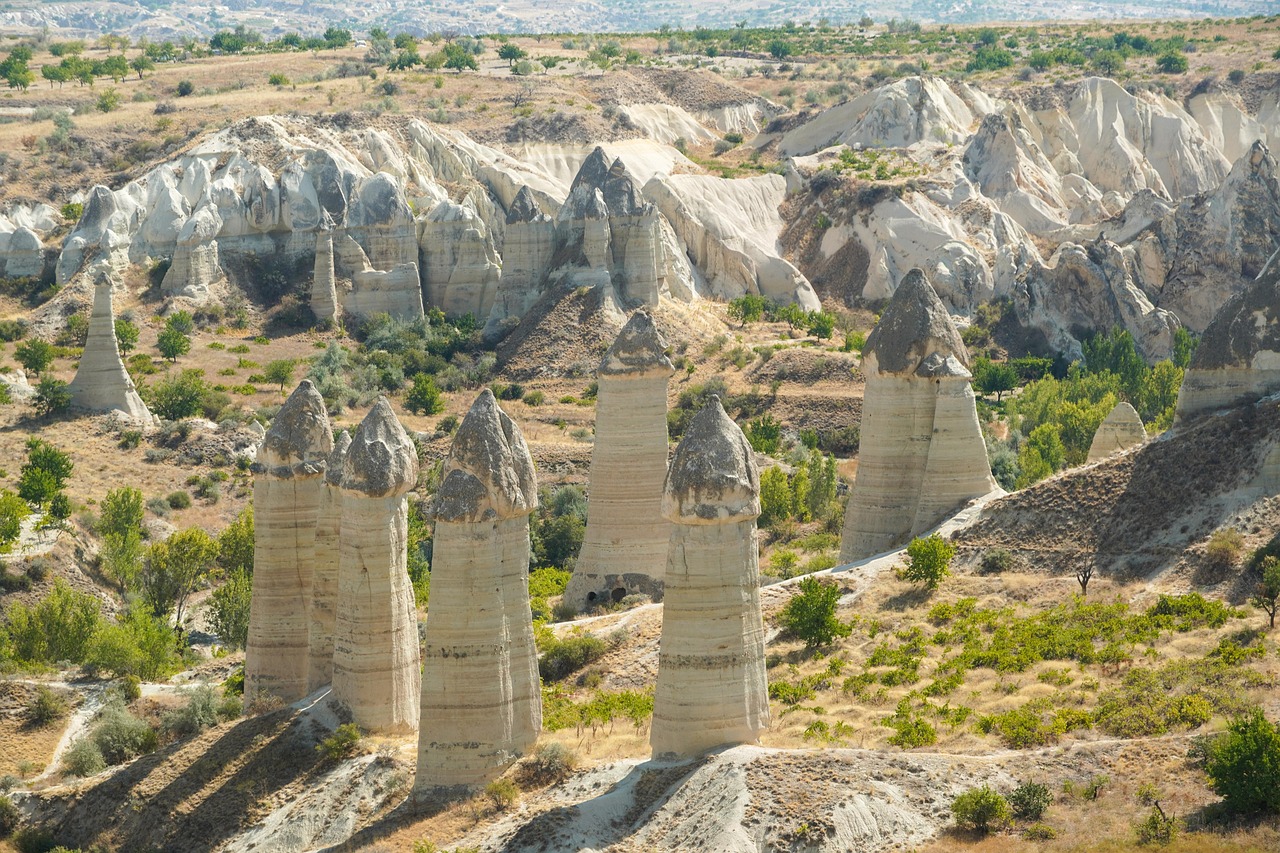
Love Valley, known for its tall rock pillars, offers one of the most dramatic settings for watching sunrise. Red Valley, meanwhile, gives wider panoramic views where the colours of the terrain become especially striking in early morning light.
Unlike crowded city viewpoints or busy landmarks, mornings here feel surprisingly calm. The silence of the valleys, interrupted only by the occasional sound of balloon burners in the distance, creates an experience that feels distinctly tied to Cappadocia’s unique character.
Underground Worlds of Derinkuyu and Kaymakli
Some of Cappadocia’s most fascinating places remain hidden underneath the surface. Beneath the region’s rocky terrain lie underground cities that once sheltered entire communities during periods of invasion and instability.
Among the best known are Derinkuyu and Kaymakli, both located within driving distance of Göreme.
Derinkuyu, spread across multiple underground levels, once accommodated thousands of people, along with food supplies, animals, and communal spaces. Visitors moving through its narrow corridors encounter rooms that once served as kitchens, wine storage areas, sleeping quarters, and gathering spaces. Ventilation shafts allowed fresh air to circulate far underground, while heavy circular stone doors were designed to seal entrances if danger approached.
What makes Derinkuyu especially remarkable is the scale of planning involved. Despite being built centuries ago, the city functioned almost like a hidden underground settlement with systems designed for long-term survival.
Kaymakli, though not as deep, feels more maze-like and interconnected. Passageways connect chambers carved closely together, giving visitors a stronger sense of how daily life may have unfolded. Storage rooms, kitchens, and living areas appear compact yet carefully designed.Walking through either city changes the way Cappadocia is imagined. The region’s unusual geology was not simply admired by earlier communities — it was used for protection, shelter, and survival. These underground spaces reveal how deeply connected people became to the landscape around them.
Rose Valley, Love Valley, and Pigeon Valley
Cappadocia’s valleys are among its biggest attractions, revealing the variety of landscapes that make the region so distinctive.
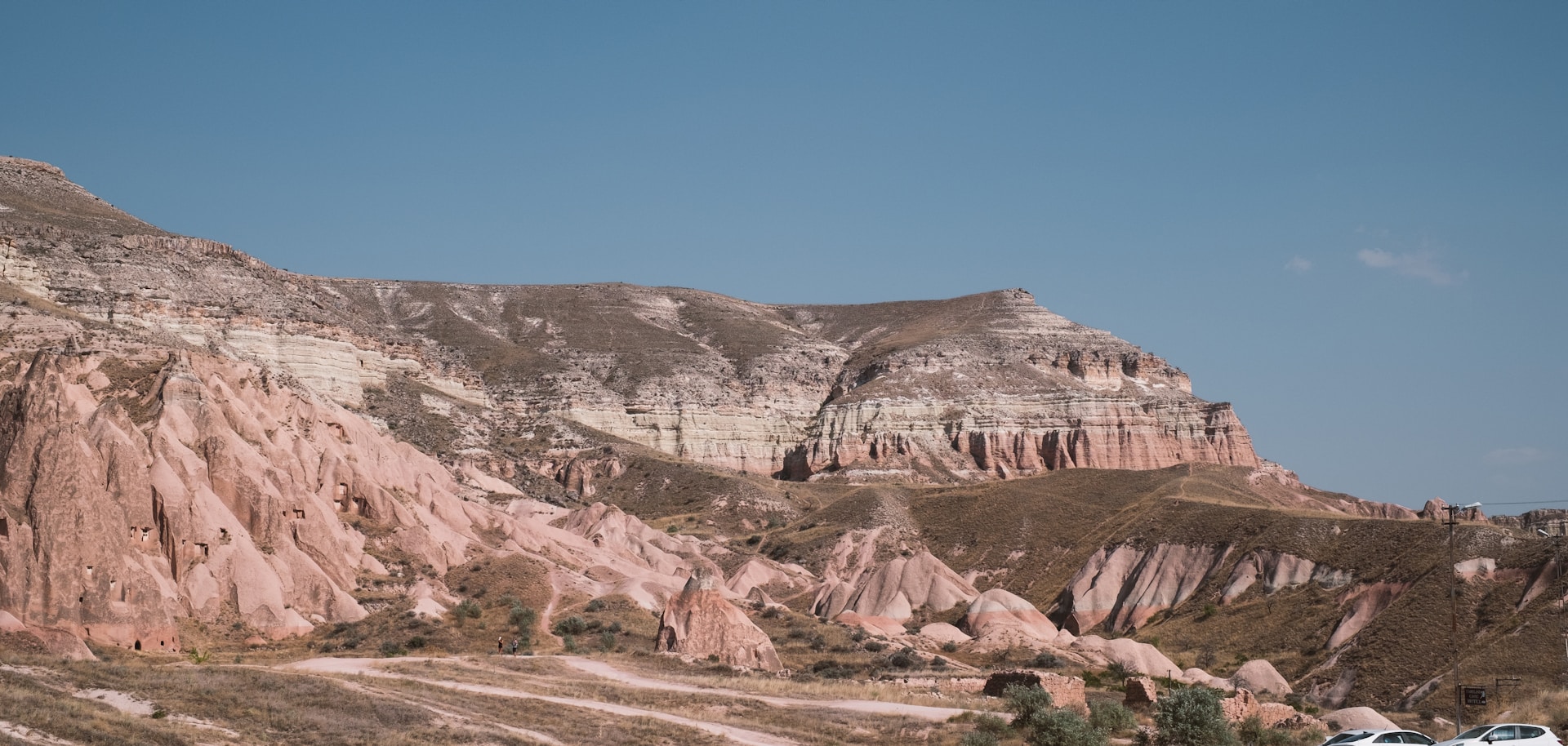
Rose Valley is particularly known for its changing colours. Depending on the time of day, the rock surfaces shift between shades of pink, peach, and soft red, giving the valley its name. Walking through the area uncovers narrow pathways, tunnels, and cave churches hidden within the rock formations. Some of these churches still contain traces of faded frescoes, reflecting the region’s early Christian history.
Love Valley offers a very different landscape. Known for its unusually tall rock formations, the valley has become one of Cappadocia’s most photographed areas. The size of the rock pillars becomes more striking when seen up close, rising sharply from the ground in clusters shaped over centuries by erosion.
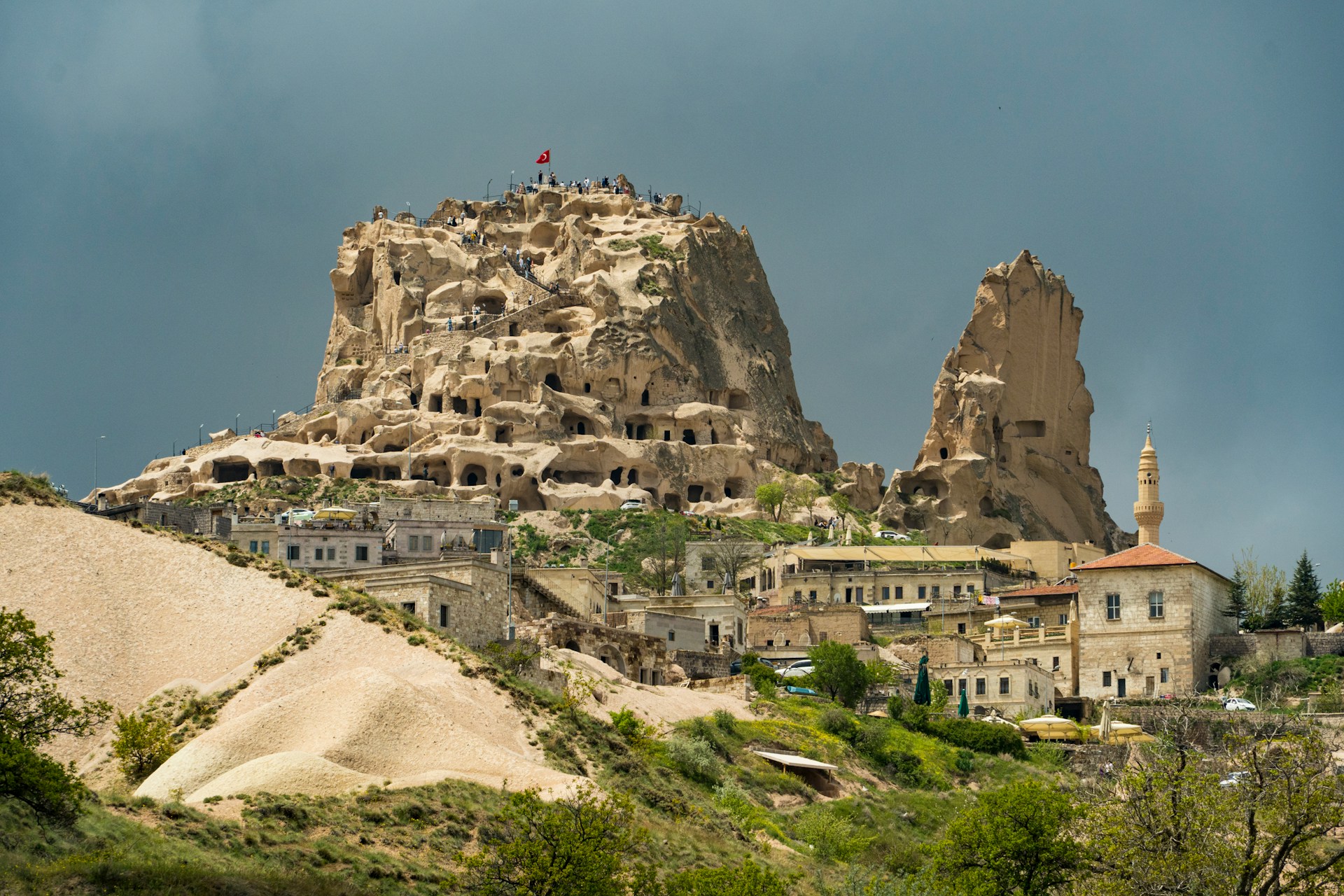
Pigeon Valley, stretching between Göreme and Uçhisar, carries both natural and historical significance. The valley gets its name from the pigeon houses carved into cliffs, many of which remain visible today. For centuries, pigeons were an important part of local agriculture, and their droppings were used as fertiliser in farming. The carved nesting spaces scattered across rock walls offer a small but fascinating insight into how local communities once depended on the landscape.
Cave Hotels
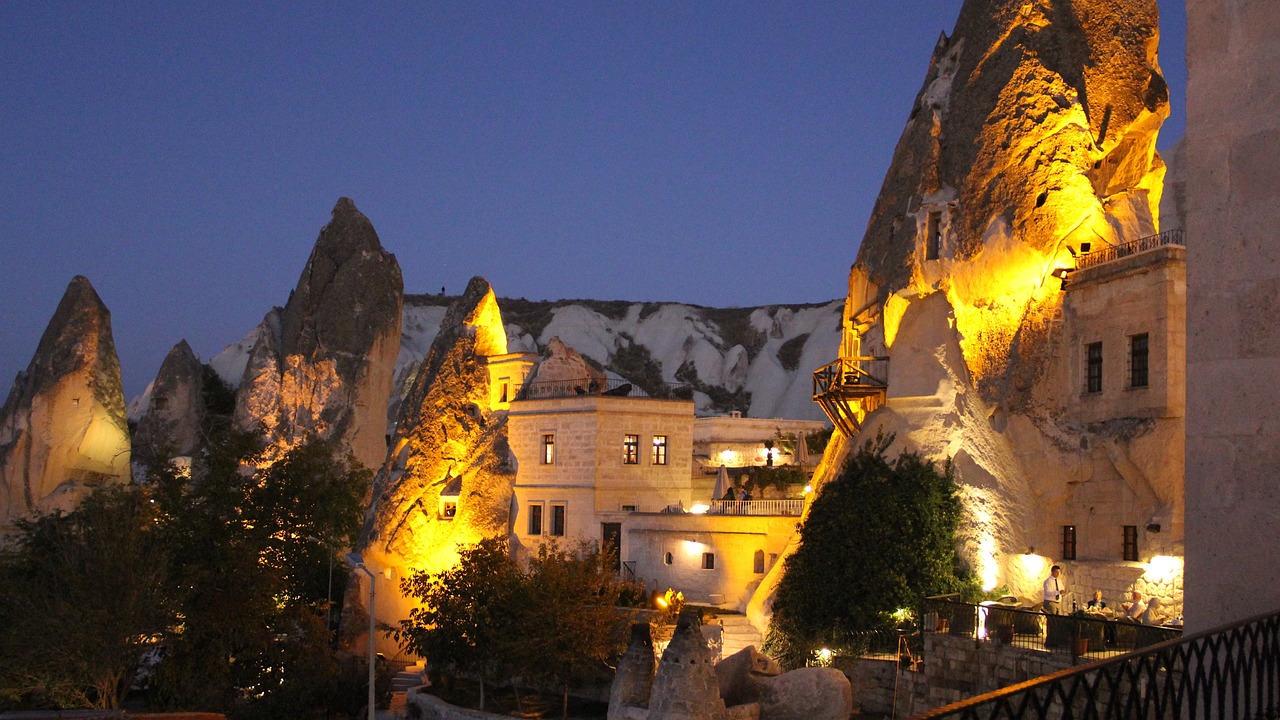
Few places in the world turn accommodation into part of the destination itself, just like Cappadocia. Staying in a cave hotel here is all about experiencing a style of living that has existed for centuries.
Across towns like Göreme, Uçhisar, and Ürgüp, many traditional cave homes have been converted into hotels while preserving much of their original structure. Rooms are carved directly into soft volcanic rock, often featuring curved ceilings, stone walls, and naturally cool interiors.
What makes these hotels particularly interesting is how varied they feel. Some occupy restored cave dwellings that once served as family homes, while others combine caves with traditional stone architecture. Many still retain original alcoves, carved shelves, and arched interiors shaped directly from the rock.
Uçhisar, crowned by its towering rock castle, is known for cave hotels with wide valley views, while Ürgüp often offers a quieter atmosphere with historic stone buildings blending into cave structures. In Göreme, many hotels sit close to dramatic rock formations, giving the impression of staying inside the landscape itself.
Göreme Open-Air Museum and rock-cut churches
Cappadocia’s history becomes especially visible at the Göreme Open-Air Museum.
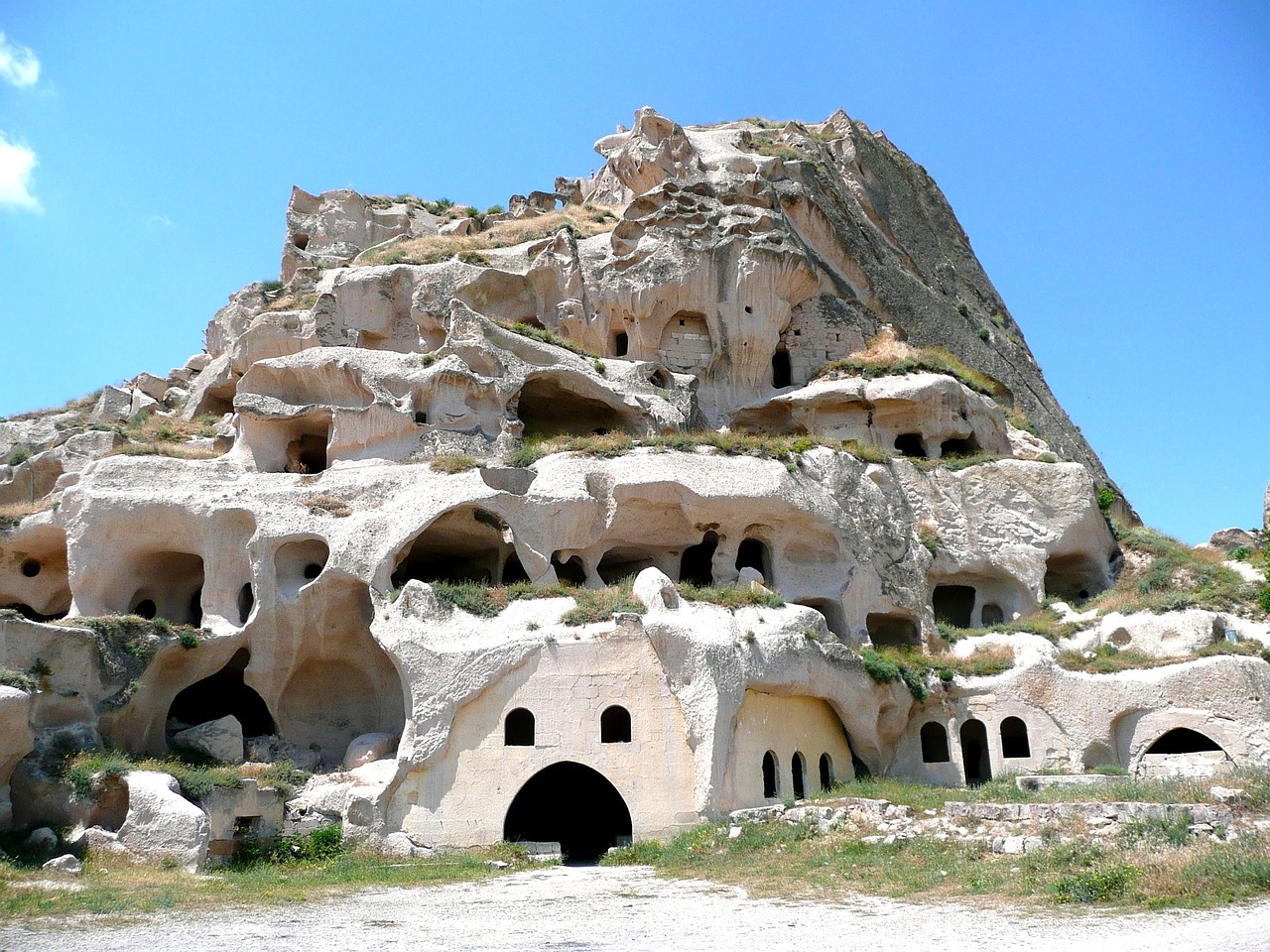
The museum consists of monasteries, churches, and chapels carved into volcanic rock by Byzantine Christian communities between the 10th and 12th centuries. At first glance, many of the structures appear simple from outside, blending almost completely into the rocky surroundings. Inside, however, they reveal detailed frescoes painted across walls and ceilings.
Among the best known is the Dark Church, famous for its well-preserved paintings, many of which survived over centuries since limited sunlight entered the interior. Biblical scenes, portraits of saints, and decorative patterns still remain visible in rich shades of red, blue, and ochre.
Other churches across the museum complex, including the Apple Church and Snake Church, feature different architectural styles and artistic details carved into confined stone spaces.
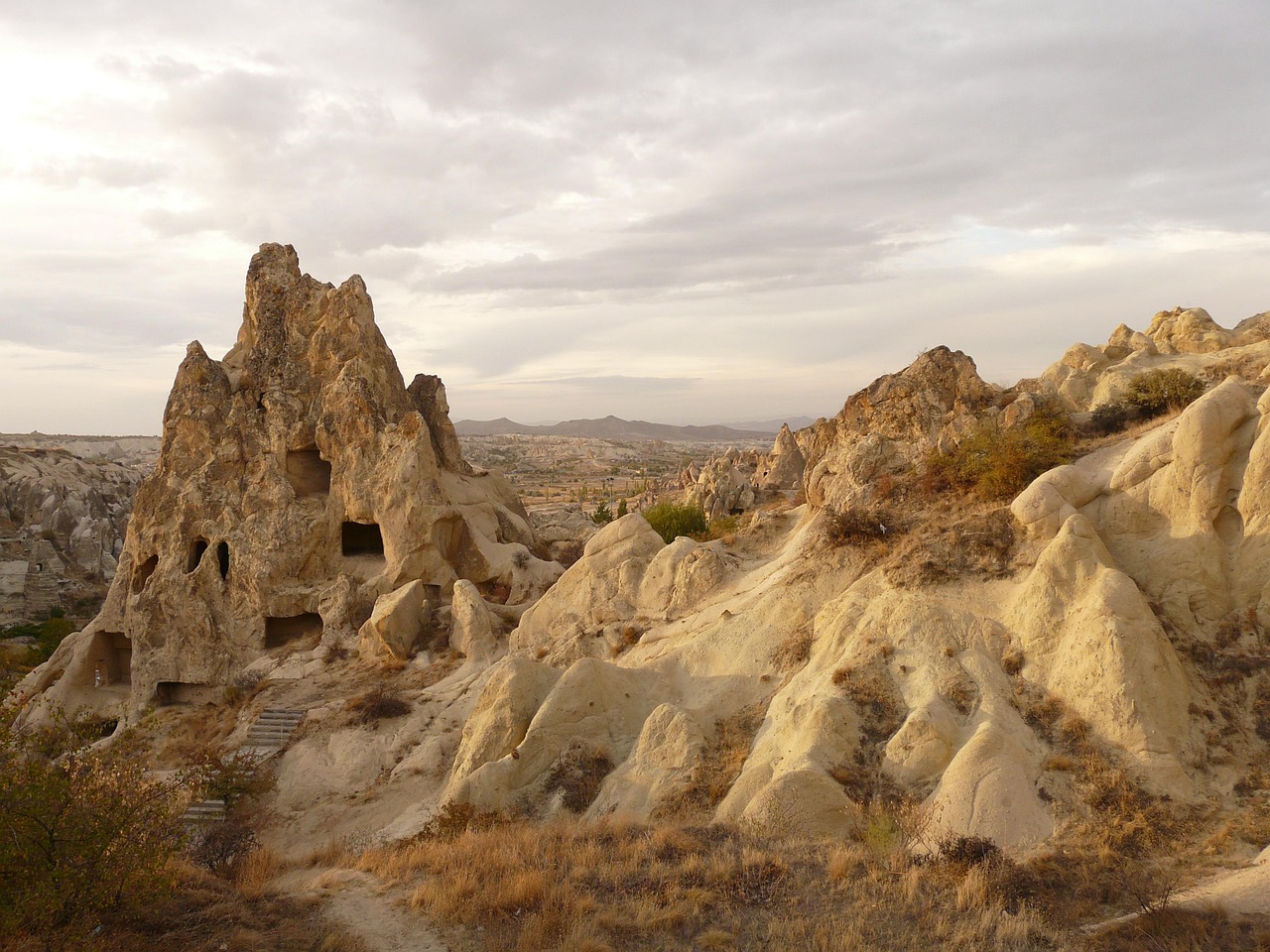
Beyond Göreme Open-Air Museum, Cappadocia has several lesser-known rock-cut churches scattered across valleys such as Rose Valley and Red Valley. Some appear unexpectedly along walking paths, tucked quietly into cliffs and accessed through narrow openings.
These churches often remind us that Cappadocia was once an active centre of monastic life, where religious communities used the landscape not only for shelter but also for worship and isolation.
Avanos
Located beside the Kızılırmak River, Avanos manifests a different side of Cappadocia — shaped less by dramatic rock formations and more by local traditions.
The town has long been associated with pottery; a craft closely linked to the red clay collected from the riverbanks. Pottery-making in Avanos dates back thousands of years, and workshops throughout the town continue using techniques passed down through generations.
Inside these workshops, shelves filled with bowls, ceramic plates, and decorative pottery sit beside spinning wheels coated in clay dust. Watching artisans work often becomes part of the experience. Clay is shaped steadily by hand before being fired and painted using traditional methods, reflecting a craft tradition that remains deeply rooted in the town.
The river also gives Avanos a different atmosphere compared to Cappadocia’s valley settlements. Bridges stretch across the water, cafés line quiet streets, and local life feels more relaxed.
Although often overshadowed by Cappadocia’s better-known attractions, Avanos offers insight into how the region functions beyond tourism — as a place with long-standing crafts, local communities, and everyday rhythms tied closely to its natural charm.
Horseback and Camel Rides
Exploring Cappadocia on horseback offers a very different perspective from seeing it from above. Cappadocia is often linked to an ancient description meaning “Land of Beautiful Horses.”
Riding through valleys like Red Valley, Sword Valley, and Love Valley allows visitors to experience the landscape at a slower pace, following trails that pass fairy chimneys, narrow rock corridors, and open viewpoints. Rather than moving quickly between landmarks, horseback rides focus more on the gradual experience of the terrain itself.
Camel rides have also become popular in some parts of Cappadocia, particularly during sunrise and sunset hours. Moving slowly through dusty valley paths with rock formations rising around the landscape creates an experience that feels noticeably different from the more familiar image of balloons overhead.
Unlike fast-paced adventure activities, both horse and camel rides suit the rhythm of Cappadocia’s terrain. They allow time to notice smaller details — cave openings in cliffs, shifting colours across the rocks, and changing light across the valleys.