When someone says ‘Georgia’, many people instinctively think of the southeastern US state. There is another Georgia — a beautiful country nestled between Europe and Asia.
Tucked away in the Caucasus Mountains, Georgia traces its English name to St. George, the patron saint who has long been revered. Georgians themselves call their homeland Sakartvelo, a name rooted in the country’s ancient Kartli region. The American state, on the other hand, was named in 1732 after Britain’s King George II, nearly two thousand years after the Caucasian nation had already established its identity.
The name may cause confusion, but once you arrive, there is little chance of mistaking one for the other.
Sitting at the crossroads of Eastern Europe and Western Asia, Georgia has spent centuries serving as a meeting point of cultures, empires, and trade routes. Ancient kingdoms flourished here long before the Roman Empire reached its peak, while merchants travelling along the Silk Road passed through its mountain valleys and bustling towns. The country later came under Persian, Ottoman and Russian influence before becoming part of the Soviet Union.
Since regaining independence from the USSR in 1991, Georgia has steadily reinvented itself as one of the region’s most exciting travel destinations.
Georgia packs a variety of landscapes – snow-capped peaks, medieval monasteries, vineyards, cave cities, seaside promenades, and lively old towns – all within a few hours’ drive of one another. Add warm hospitality, hearty cuisine and one of the world’s oldest winemaking traditions, and it’s easy to see why Georgia has become increasingly popular with Indian travellers.
Georgia visa for Indians
Planning a trip is relatively straightforward. Indian passport holders can apply for a Georgian e-Visa online, making the process far simpler than visiting an embassy. Applicants typically need a valid passport, travel documents and supporting financial information. Approvals generally arrive within a few working days.
Those who already hold valid visas or residence permits from countries such as the US, UK, Schengen states, Canada, Australia, Japan, and several GCC nations may even be eligible to enter Georgia without obtaining a separate Georgian visa.
Since January 2026, all foreign visitors are also required to carry valid travel insurance while entering the country. However, visa regulations may change, so it is always advisable to check the latest official requirements before booking your trip.
Places That Define Georgia
The best way to experience Georgia is not by ticking off landmarks but by soaking in its atmosphere.
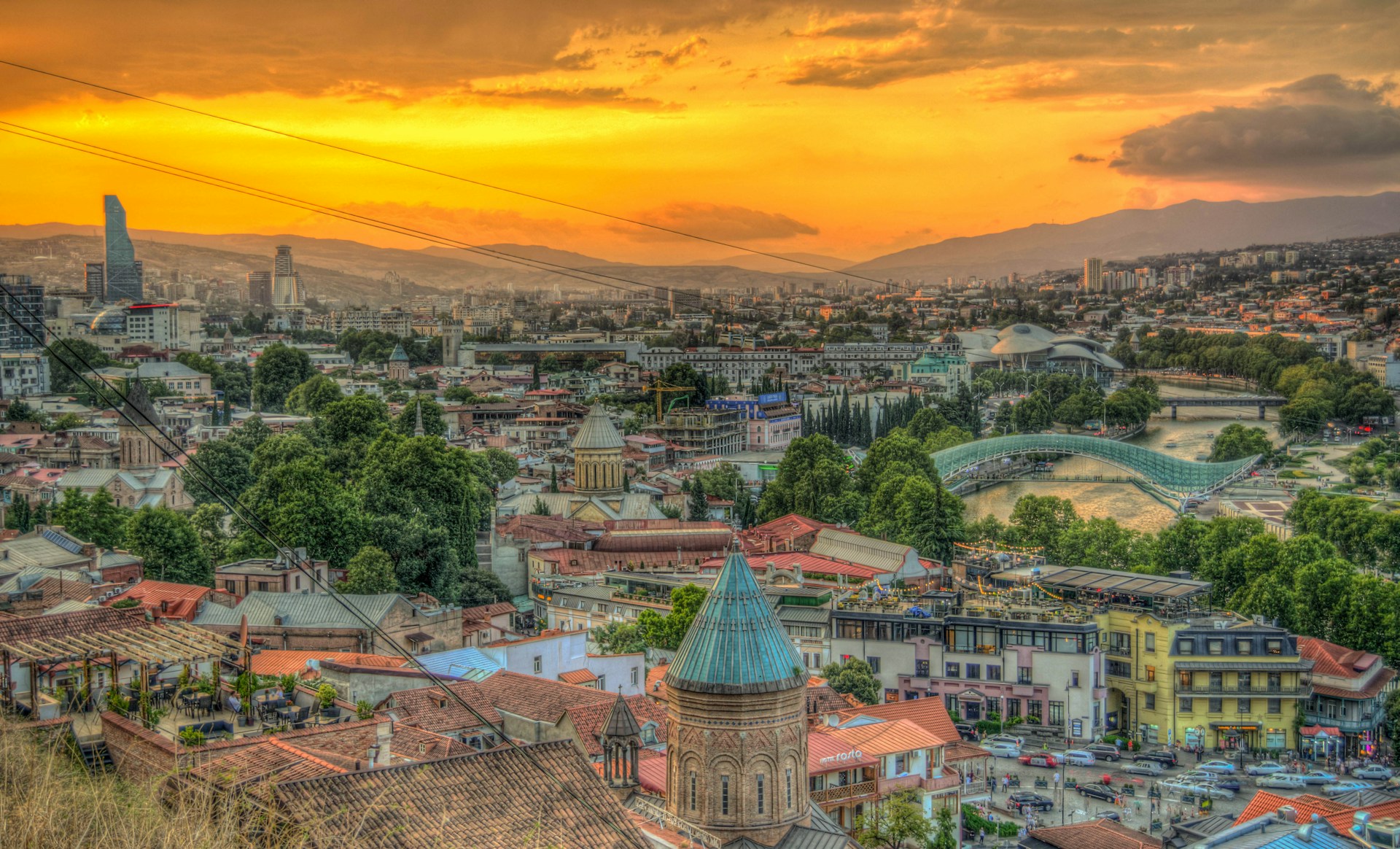
Almost every journey begins in Tbilisi, and for good reason. The capital is a delightful blend of old and new. Colourful wooden balconies lean over narrow cobbled lanes, churches sit beside contemporary architecture, and lively cafés spill onto quiet streets. There is always something waiting around the next corner—a tiny art gallery, a hidden courtyard, or a local bakery filling the air with the smell of freshly baked bread.
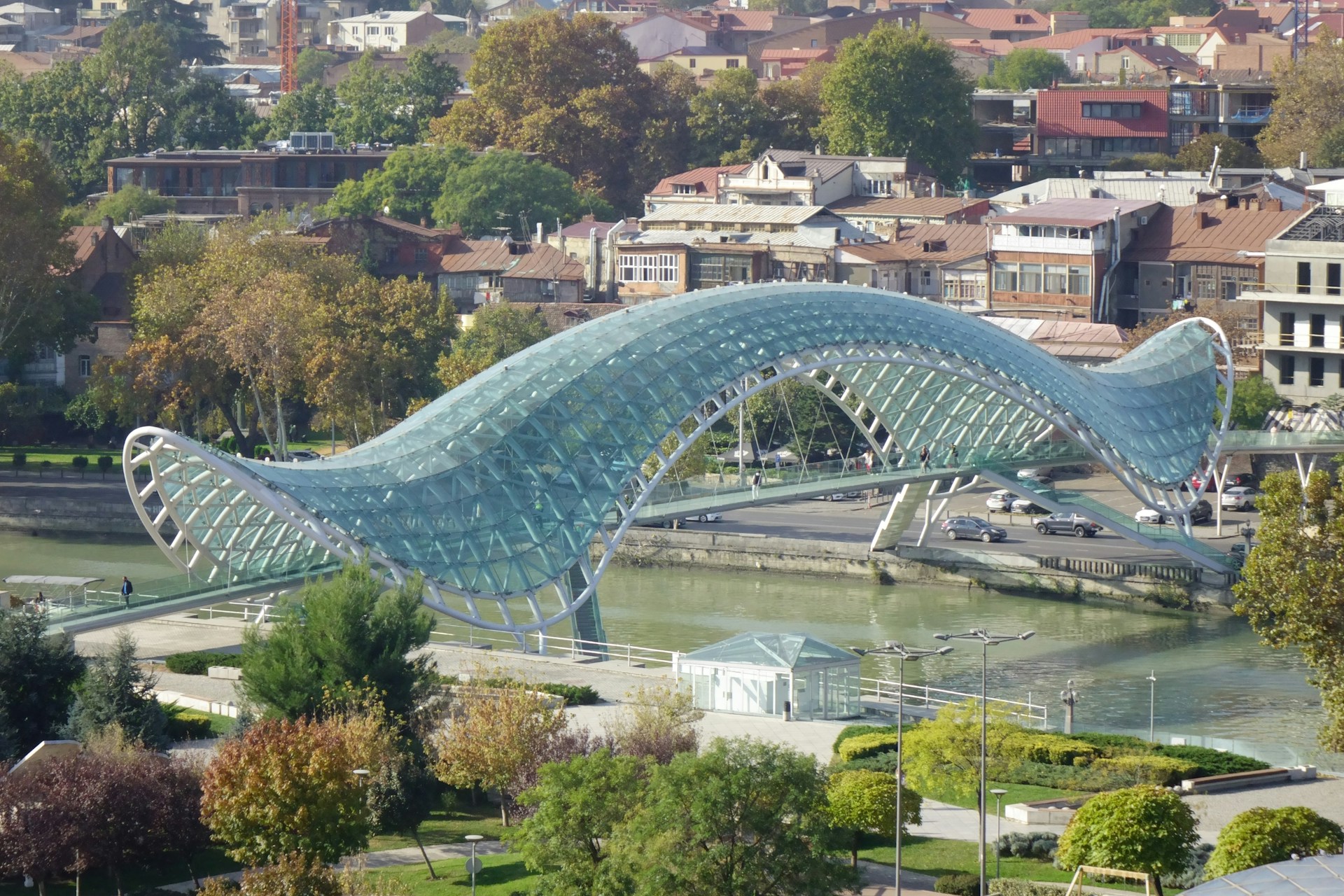
One of Tbilisi’s most recognisable modern landmarks, the glass-and-steel Bridge of Peace links the old town with the newer side of the city. Illuminated after dark, it beautifully symbolises how Georgia embraces contemporary design while preserving its centuries-old heritage.
Where history comes alive
Rising above the city is the Narikala Fortress, a reminder of Tbilisi’s long and turbulent history. A cable-car ride up the hill offers sweeping views of the old town, the winding Kura River and the skyline beyond. Sunset is perhaps the best time to be here, when the city glows in shades of gold and the lights slowly begin to twinkle below.
Back in the old town, don’t miss Georgia’s famous sulphur baths. Their distinctive brick domes have become one of Tbilisi’s best-known landmarks. The warm mineral-rich waters have attracted visitors for ages, offering a relaxing break after a day spent exploring the city’s streets.
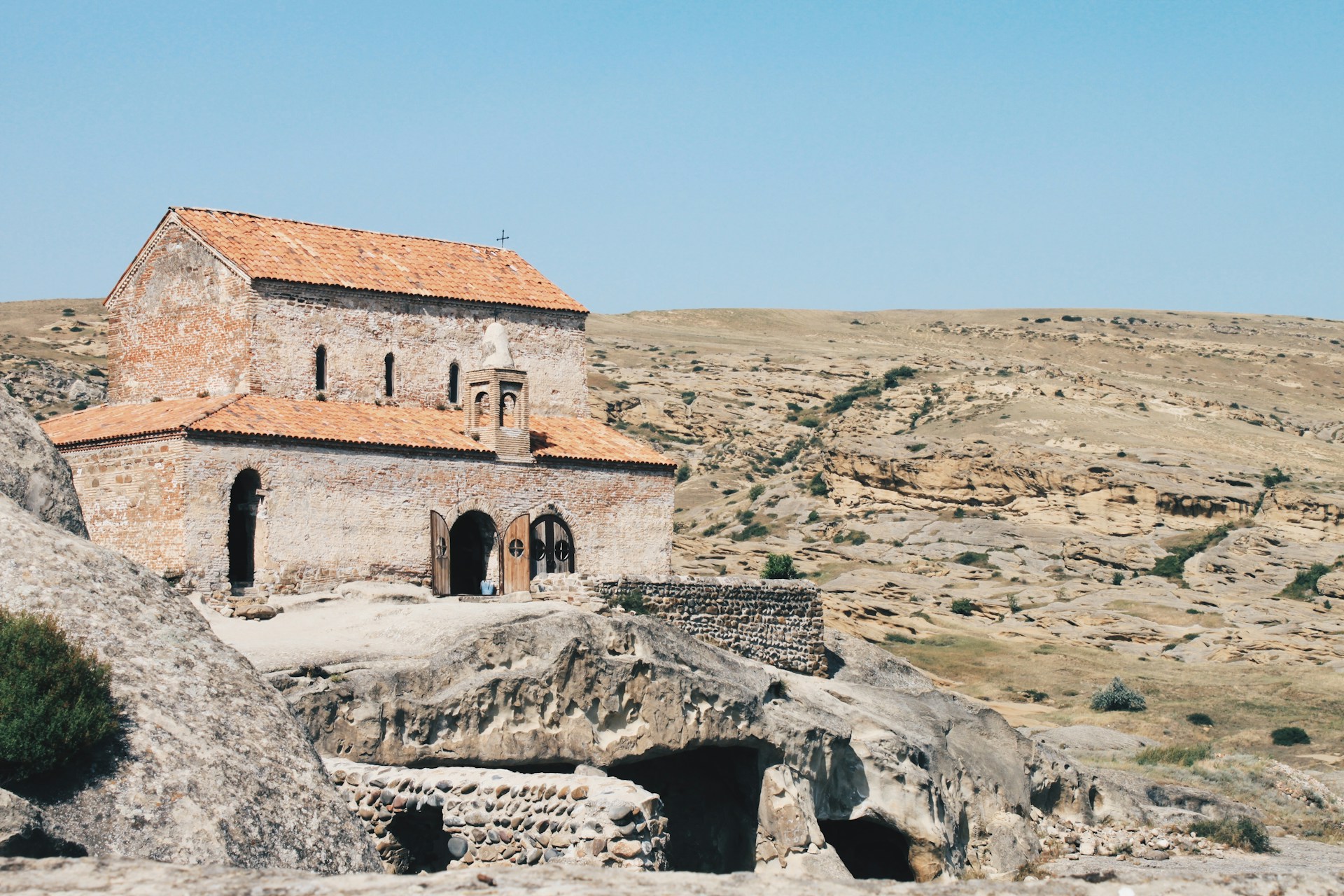
Georgia’s ancient cave settlements are unlike anything else in Europe. Uplistsikhe, carved into sandstone cliffs, once functioned as a thriving town with temples, homes, and streets. Further south lies Vardzia, a spectacular cave monastery spread across the face of a mountain, where hundreds of chambers are connected by tunnels, staircases, and hidden passages. Walking through these remarkable sites feels like stepping into another era.
No visit to Georgia is complete without stopping at Mtskheta, the country’s ancient capital and one of its most important spiritual centres. The town’s beautifully preserved churches, many overlooking the meeting point of two rivers, offer a glimpse into Georgia’s deep Christian heritage. The slower pace here provides a welcome contrast to the bustle of Tbilisi.
Often described as Georgia’s own ‘Stonehenge’, the monumental Chronicles of Georgia overlooks the Tbilisi Sea from a hilltop just outside the capital. Towering stone pillars depict scenes from Georgian history and Christianity, while the viewpoint offers sweeping panoramas across the surrounding landscape. Despite its appeal, it remains one of the country’s lesser-known attractions.
Into the heart of the Caucasus
Leaving the capital behind, the landscape changes dramatically as roads begin climbing into the mighty Caucasus Mountains. One of Georgia’s most memorable drives leads to Kazbegi, now officially known as Stepantsminda. Along the way, you’ll pass scenic valleys, alpine rivers, and viewpoints that seem almost surreal.
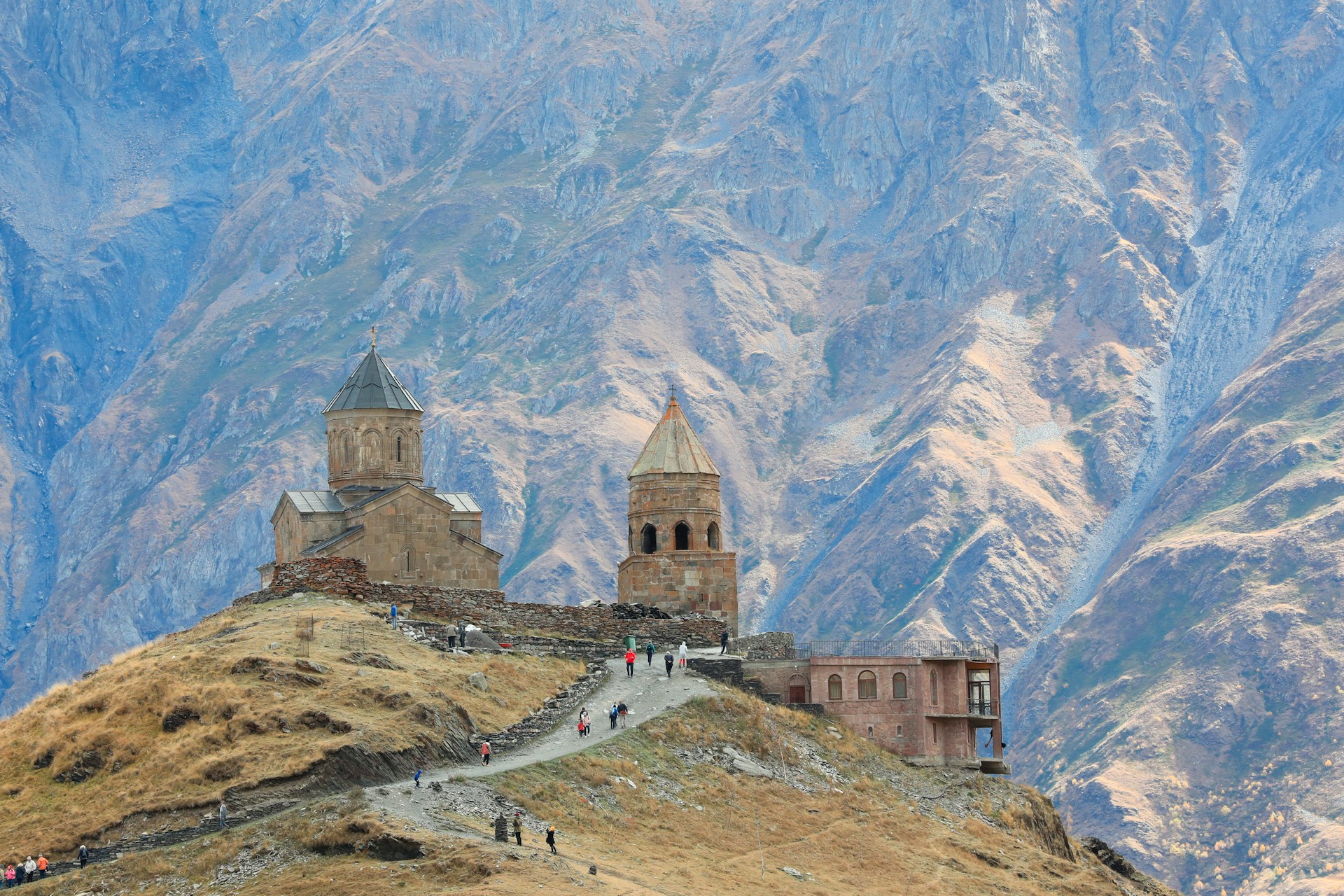
The highlight here is the Gergeti Trinity Church, perched on a hill against the backdrop of Mount Kazbek. Whether wrapped in mist or shining under clear blue skies, it is easily one of Georgia’s most photographed locations. Yet pictures rarely capture the sense of tranquillity that visitors experience when standing before this centuries-old church surrounded by towering mountains.
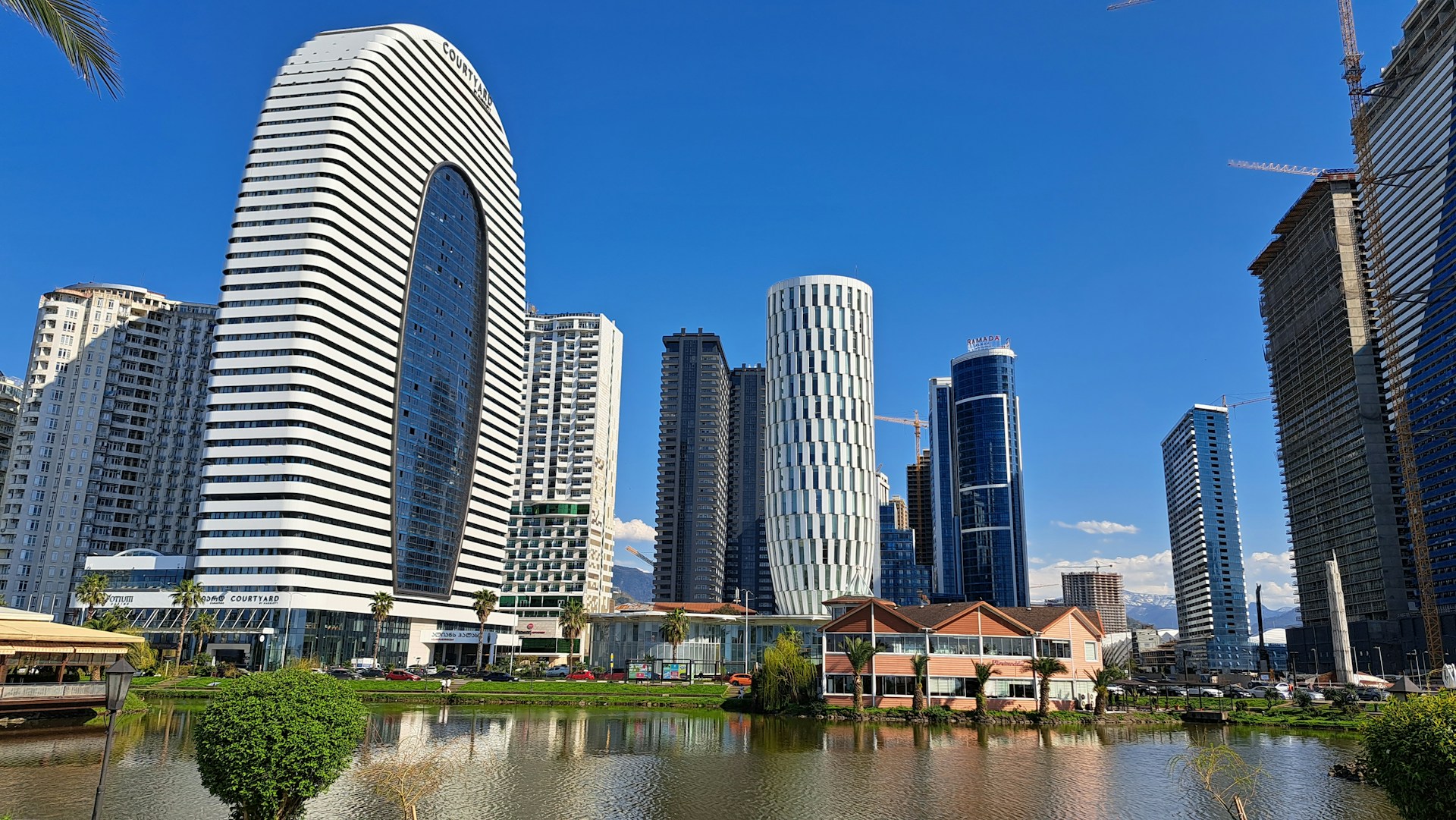
Those looking for a different side of Georgia often make their way west to Batumi, a lively resort city on the Black Sea coast. Palm-lined boulevards, modern skyscrapers, street art and a relaxed waterfront create an atmosphere unlike anywhere else in the country. It is a place where visitors can spend the morning on the beach and the evening enjoying music, cafés, and seaside walks.
The journey through the Caucasus is every bit as memorable as the destination itself. Travelling along the historic Georgian Military Highway, visitors pass along gripping mountain slopes, turquoise reservoirs, ancient fortresses, and countless viewpoints that invite frequent stops. It is one of those rare road trips where the drive becomes a highlight in its own right.
If stunning mountain scenery attracts you, few places rival Svaneti. This remote region is famous for its medieval stone watchtowers, picturesque villages, and spectacular hiking trails. The village of Ushguli, one of Europe’s highest permanently inhabited settlements, feels almost untouched by time. Surrounded by snow-covered peaks, it offers some of the country’s most memorable views.
A taste of Georgia
Travelling through Georgia would be incomplete without discovering its food. Rich, comforting, and full of flavour, Georgian cuisine reflects centuries of cultural influences. Freshly baked khachapuri, juicy khinkali dumplings and slow-cooked meat dishes are staples across the country.
Don’t miss local favourites such as lobio, a hearty bean stew served with cornbread, and churchkhela, the traditional walnut-and-grape sweet often called Georgia’s “energy bar”. Georgians take great pride in sharing their meals, so expect generous portions, endless toasts, and plenty of homemade wine whenever you’re invited to the table.
Meals often turn into long social gatherings known as a supra, where stories, laughter, and heartfelt toasts are just as important as the food itself. It is perhaps the best way to experience Georgia’s legendary hospitality.
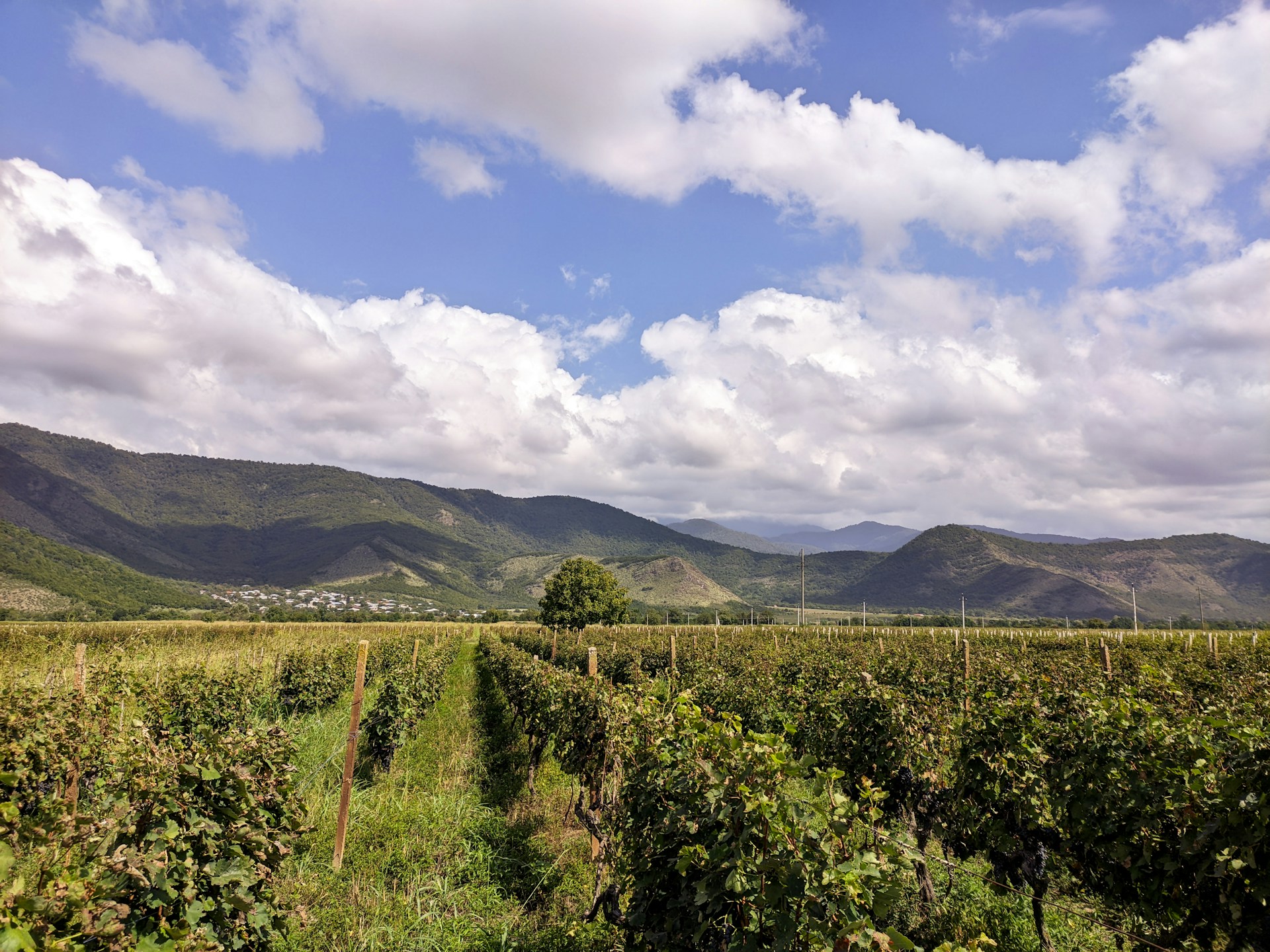
The country is also synonymous with wine. In fact, many historians believe this is where winemaking began around 8,000 years ago. The eastern region of Kakheti remains the heart of the country’s wine culture. Rolling vineyards stretch across the countryside, family-run wineries welcome visitors into their homes, and traditional clay vessels called qvevri are still used to ferment wine in the same way as they have been for ages. Even travellers who know little about wine often leave with a newfound appreciation for Georgia’s remarkable heritage.
Georgia may still be absent from many travellers’ bucket lists, but that is precisely part of its charm. It offers the history of Europe, the warmth of Asia, landscapes worthy of a postcard and a culture that welcomes visitors with open arms. Whether you come for the mountains, the wine, the history or simply the chance to explore somewhere different, Georgia has a way of surprising you at every turn.