
Think Christmas, and chances are your mind wanders to Europe’s festive streets, traditional Christmas markets and snow-covered towns. From Germany and Austria’s lively seasonal celebrations to Switzerland’s snow-covered landscapes and the festive charm of cities like London, Paris and Prague, Europe has become synonymous with Christmas celebrations.
But what if Christmas could be celebrated somewhere entirely different? Tokyo, Japan’s bustling capital, may not be the obvious choice, but it offers an interesting alternative for those looking to experience the festive season in a new setting.
Winter in Tokyo brings together dazzling illuminations, Christmas markets, seasonal food, traditional Japanese experiences and a lively urban atmosphere. Rather than recreating the familiar European Christmas, the city celebrates the season in its own way, blending Western festive influences with Japanese culture and its distinctive modern character. For travellers willing to look beyond the usual Christmas destinations, Tokyo offers plenty of reasons to consider a winter getaway.
A city that lights up for Christmas
One of the first things visitors notice about Tokyo in December is how beautifully the city embraces the festive season. As evening approaches, shopping corners, streets and public spaces light up with elaborate displays. Unlike the traditional Christmas decorations found in many European cities, Tokyo’s illuminations often combine thousands of LED lights, contemporary installations and creative lighting designs to transform the urban landscape.
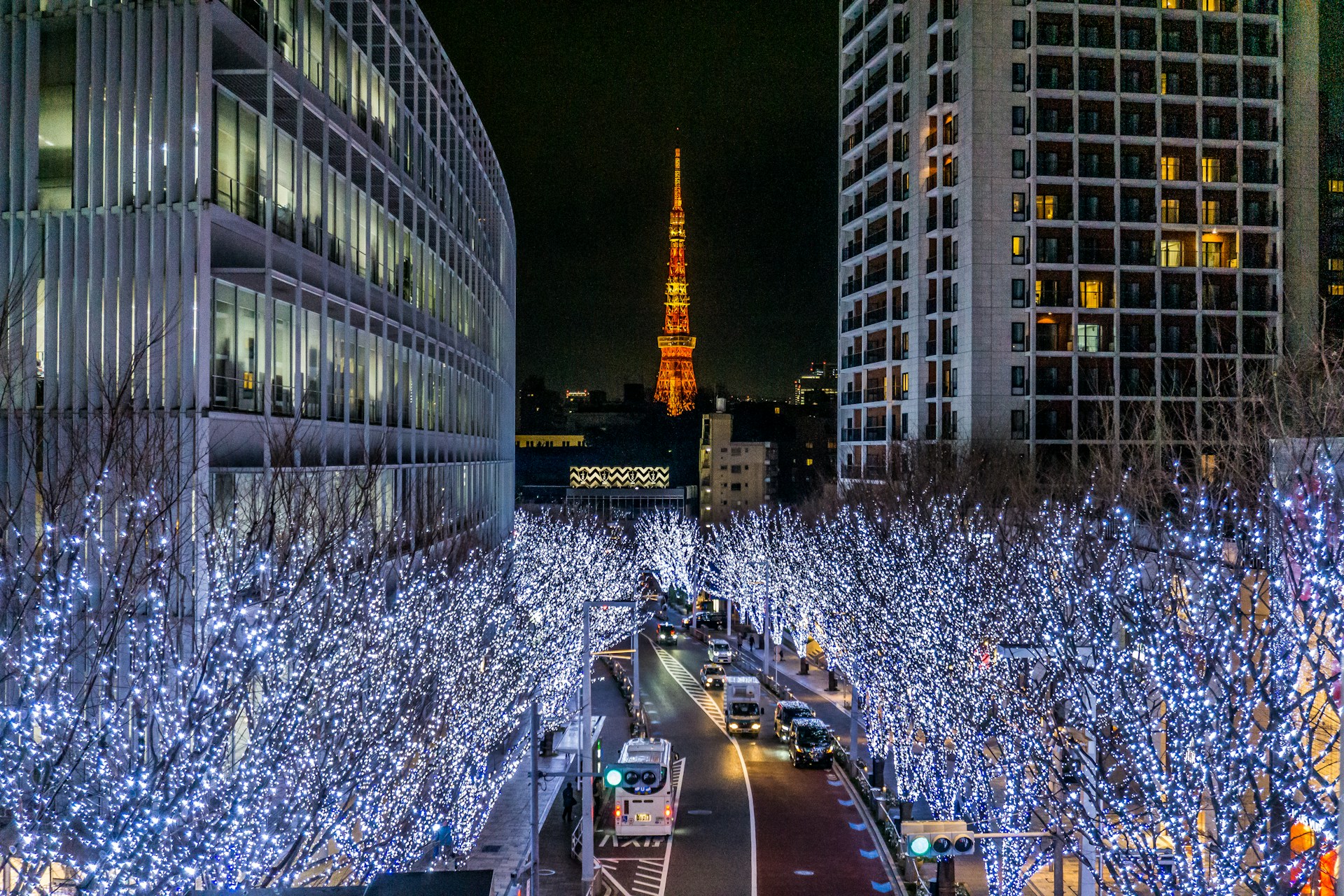
Some of the best places to experience this are Roppongi Hills, Marunouchi and Tokyo Midtown. At Roppongi Hills, the tree-lined Keyakizaka Street is illuminated in shades of blue and white, with Tokyo Tower visible in the distance, making it one of the city’s popular winter photo spots. Tokyo Midtown combines illuminated gardens, Christmas trees and seasonal displays, creating an inviting vibe for an evening walk.
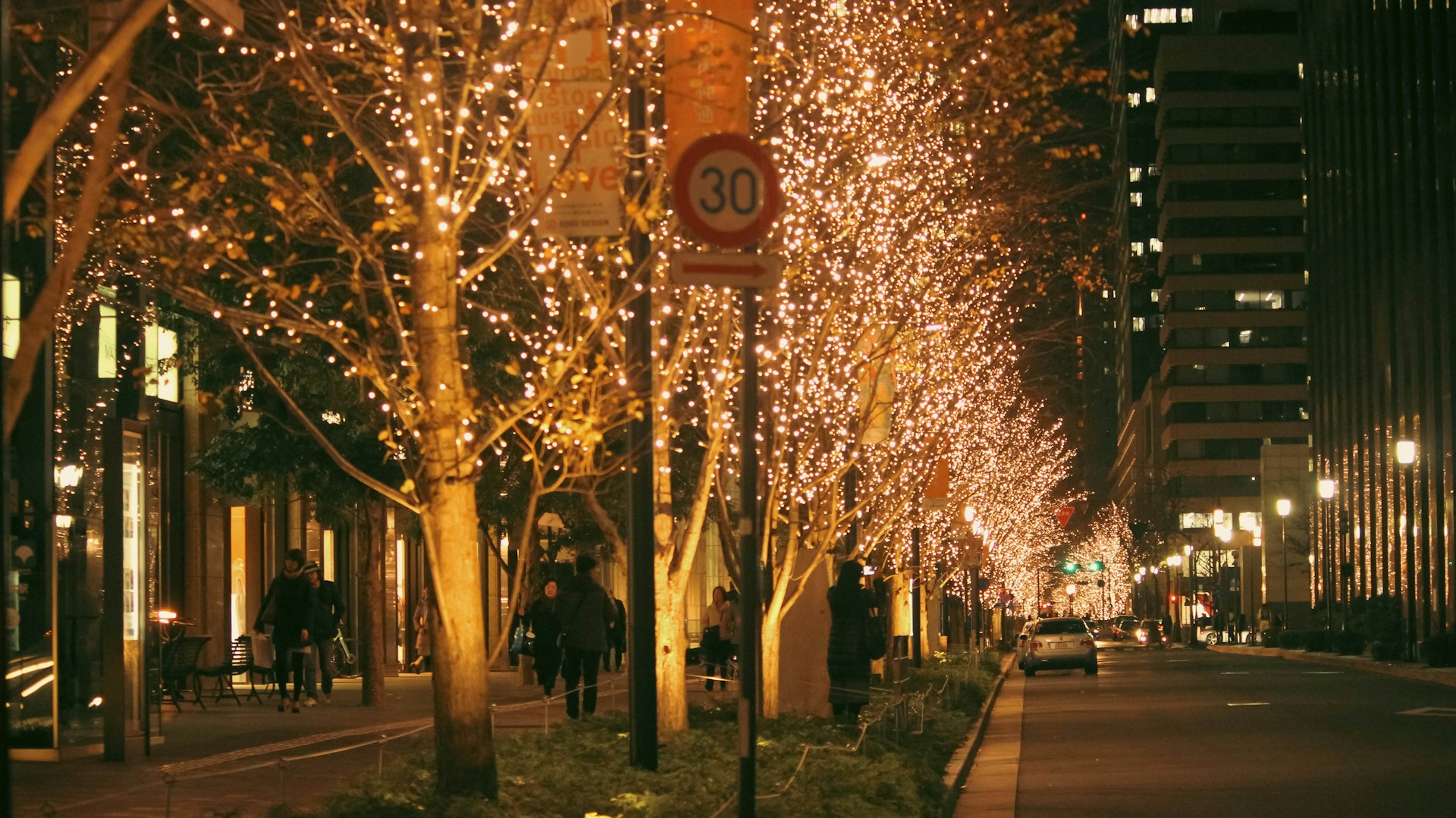
The Marunouchi district, close to Tokyo Station, offers a different experience. Its streets are lined with trees decorated in champagne-gold lights, while nearby buildings and public spaces join in the seasonal celebrations. The illuminations here continue beyond Christmas, making the area worth visiting even for those travelling in January or February. Other neighbourhoods, including Omotesando, Ginza and Ebisu, also have their own winter displays, giving visitors plenty of opportunities to explore the city after dark.
Christmas markets with a Japanese touch
For travellers who enjoy visiting European Christmas markets, Tokyo has its own versions of these festive gatherings. While the tradition originated in Europe, the Japanese capital has embraced it, bringing together wooden market stalls, seasonal food, hot drinks, decorations and Christmas merchandise.
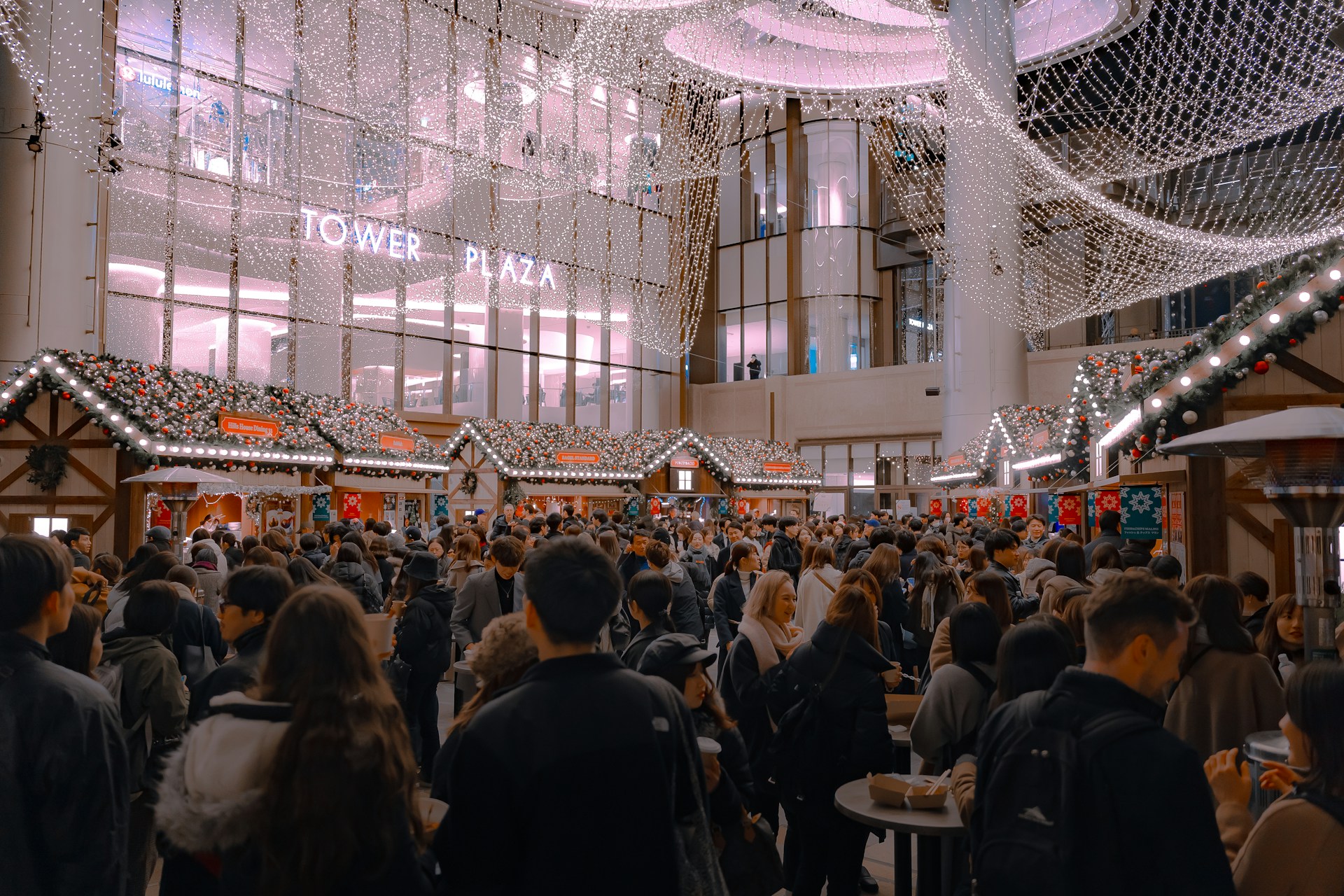
Roppongi Hills is among the established locations for a Christmas market, where visitors can browse stalls selling festive food, drinks and gifts. The market at Azabudai Hills offers another option, with its setting beneath the city’s skyscrapers adding a distinctly Tokyo character to the experience. Marunouchi also hosts a Christmas market and food stalls as part of its winter schedule.
Tokyo’s Christmas markets may borrow elements from European traditions, but they are part of a much broader festive landscape. Visitors can also look out for seasonal displays and ice-skating rinks at shopping and entertainment complexes. Tokyo Skytree Town, for instance, combines Christmas decorations and illuminations with a market offering food and drinks. These experiences make it possible to spend an entire evening moving between festive stalls, illuminated streets and lively shopping areas.
There is also an interesting cultural difference behind the celebrations. Christmas in Japan is not a national holiday or traditionally a major religious and family occasion in the way it is in many Western countries. Instead, it is largely a secular celebration, often associated with romantic outings, shopping, dining and spending time with friends or partners.
Christmas Eve, in particular, is a popular date night. Seasonal cakes, especially the familiar Japanese Christmas cake topped with cream and strawberries, and fried chicken have also become part of the country’s festive food scene. For visitors accustomed to European Christmas customs, this offers an interesting glimpse into how another country has adopted and adapted the occasion.
Beyond Christmas: Exploring Tokyo in winter
While the festive celebrations are a major attraction, winter is also a good time to explore Tokyo’s many other sights. The city has a mix of historic neighbourhoods, traditional gardens, modern landmarks and cultural attractions that can be enjoyed throughout the season.
Start with Asakusa, one of Tokyo’s best-known traditional neighbourhoods. Its main attraction, Sensoji Temple, is among the city’s oldest Buddhist temples and offers a glimpse of Japan’s history and religious heritage. The approach to the temple through the Kaminarimon (Thunder Gate) and Nakamise shopping street is an experience in itself. The latter is lined with small shops selling traditional souvenirs, Japanese snacks and handicrafts. A visit here offers a change of pace from modern shopping districts and skyscrapers that dominate much of central Tokyo.
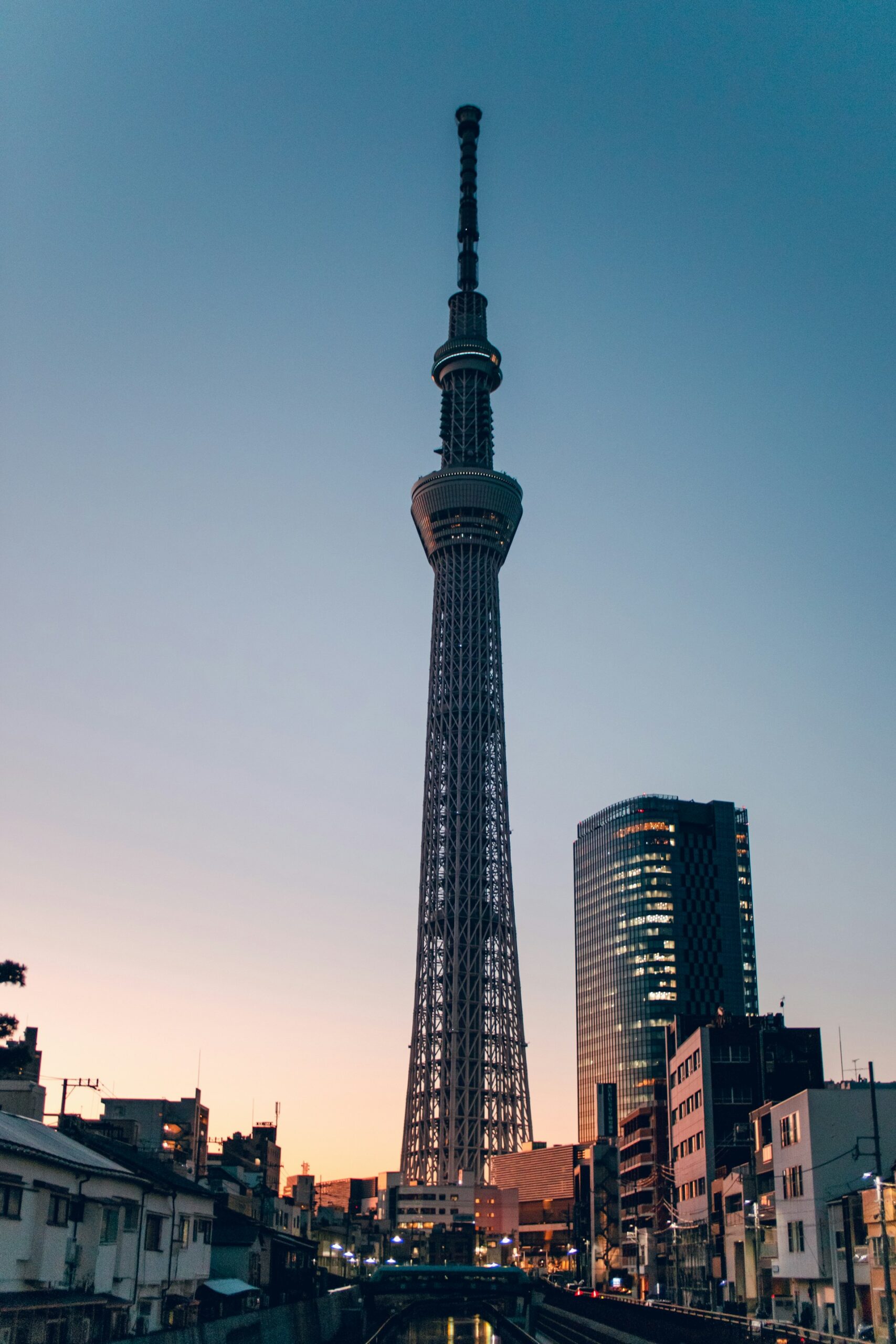
For a different perspective, head to Tokyo Skytree or Tokyo Tower. Both offer observation decks with sweeping views of the city, and winter can be particularly rewarding for those hoping to see Mount Fuji in the distance. Tokyo’s winter weather is generally dry, with clear skies on most days, making this a good season for taking in the surrounding landscape from elevated viewpoints.
While snow is possible, particularly in January and February, it is relatively uncommon in central Tokyo. Visitors should therefore not expect a snow-covered city, but can look forward to crisp weather and good opportunities for sightseeing.
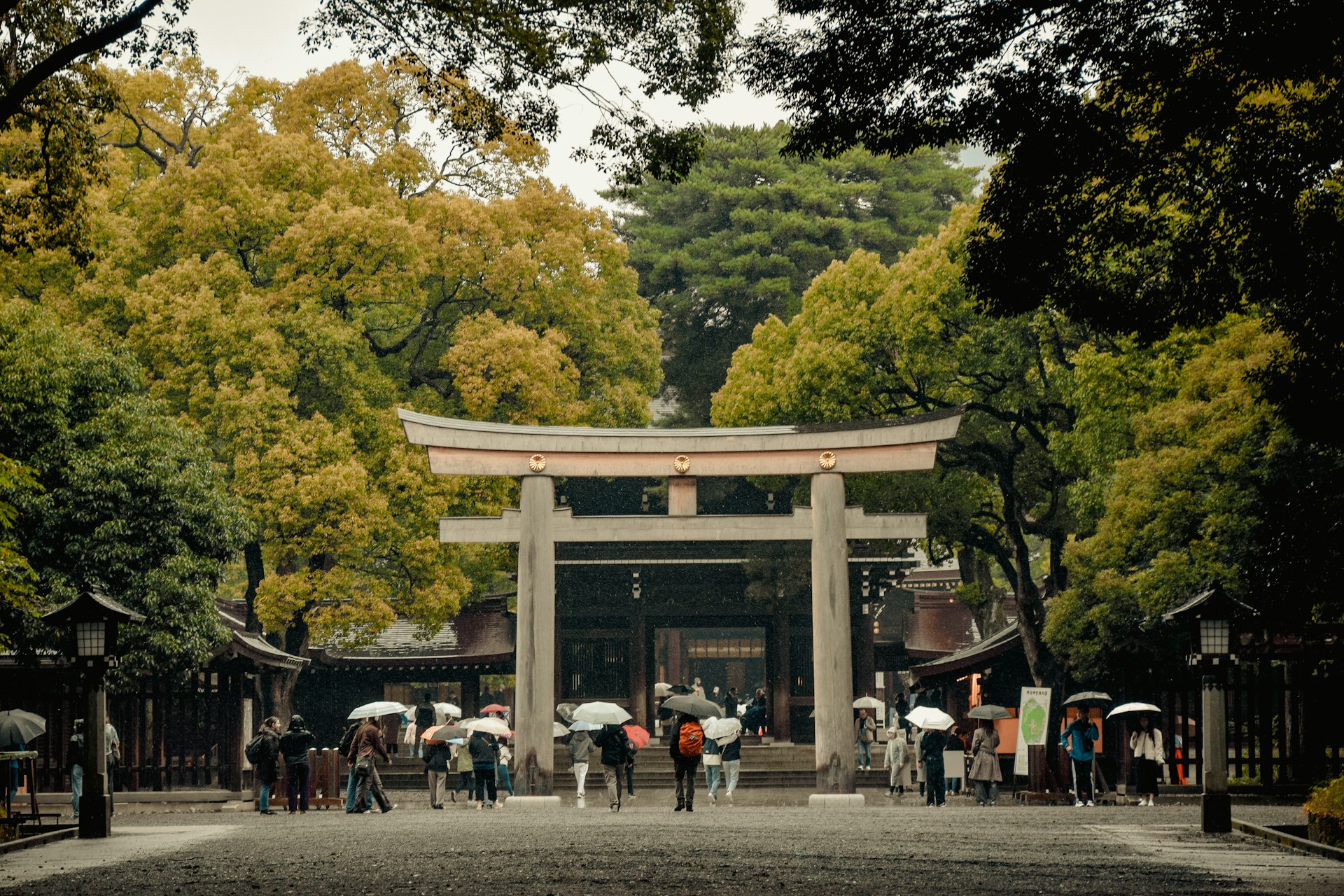
Winter is also a good time to explore some of Tokyo’s green spaces. The gardens at Shinjuku Gyoen and Rikugien offer quieter surroundings away from the city’s busy streets. Although they do not have the spring cherry blossoms or autumn colours that attract large numbers of visitors, their winter landscapes have a different appeal. Meiji Jingu, a Shinto shrine surrounded by a large forested area, is another worthwhile stop. Its peaceful setting provides an interesting contrast to the bustle of nearby Harajuku and Shibuya.
Those visiting Tokyo around the turn of the year can also experience one of Japan’s most important seasonal traditions. Known as hatsumode, the first shrine or temple visit of the New Year is an occasion when people pray for good fortune and health in the months ahead. Meiji Jingu is one of the country’s most popular destinations for this tradition, attracting large crowds during the first few days of January. Visitors can observe the rituals, soak in the atmosphere and experience a side of Japanese culture that is quite different from the Christmas celebrations.
A taste of winter in Japan
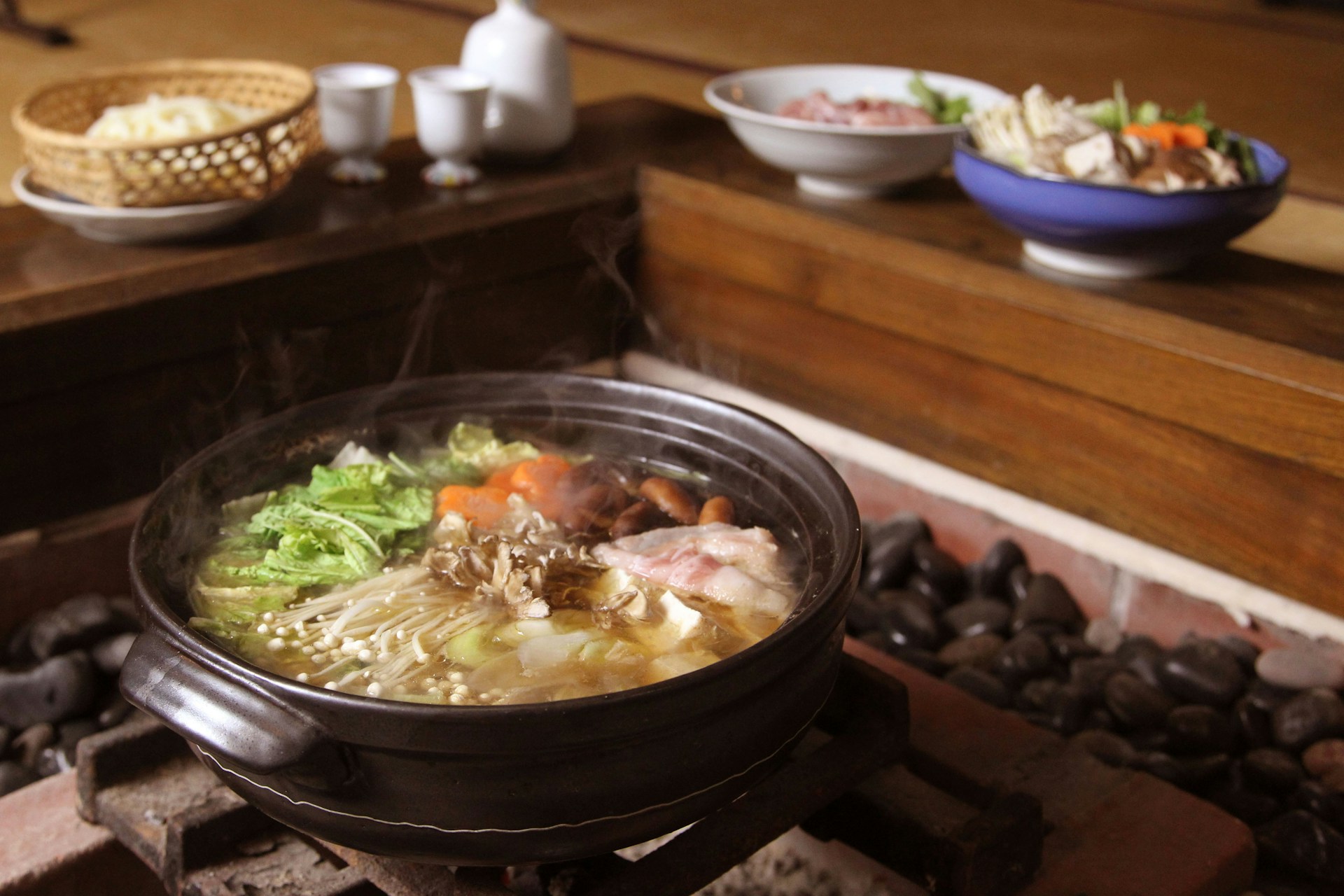
Food is another reason to explore Tokyo during the colder months. Japanese cuisine has a strong seasonal character, and winter brings dishes that are particularly suited to the weather. One of the most popular is nabe, a Japanese hot pot in which ingredients such as meat, seafood, vegetables, and tofu are cooked together in a simmering broth. Different regions and restaurants have their own versions, making it an interesting meal to try during a winter visit.
Another seasonal favourite is oden, a comforting dish of ingredients such as boiled eggs, daikon radish, fish cakes and tofu simmered in a light broth. It is widely available at restaurants and even convenience stores, making it an easy option for travellers looking for something warm between sightseeing stops. Other dishes worth trying include sukiyaki, featuring thinly sliced beef and vegetables cooked in a sweet and savoury sauce, and shabu-shabu, in which thin slices of meat are briefly cooked in hot broth.
However, Tokyo’s food scene goes well beyond traditional Japanese dishes. From sushi restaurants and ramen shops to department-store food halls and international dining options, the city offers plenty of choice. During Christmas, visitors can also try Japanese-style festive cakes and seasonal treats. Exploring the city’s food spots can easily become an important part of the winter holiday.
Tokyo or Europe: Two very different Christmas experiences
So, what makes Tokyo worth considering when Europe remains the more familiar choice for a Christmas holiday? The answer lies in the kind of experience travellers are looking for.
Europe has a strong association with traditional Christmas celebrations. Historic town squares, centuries-old churches, wooden market stalls, seasonal music and the possibility of snow create a festive atmosphere that is difficult to replicate elsewhere. Tokyo, on the other hand, offers a more contemporary interpretation of the season. Its Christmas celebrations unfold against a backdrop of skyscrapers, neon-lit streets, modern architecture and shopping districts. The illuminations are often larger in scale and more technologically driven, while Christmas markets bring a touch of European tradition into an otherwise distinctly Japanese setting.
The weather is another difference. Travellers visiting Tokyo in December should expect cold conditions, but not necessarily the freezing temperatures or snowfall associated with some European destinations. December is generally milder than January and February, although evenings can be chilly. The average winter temperature is around 7–9°C, and warm clothing is advisable, particularly when spending time outdoors after sunset.
There is also the cultural experience to consider. A Christmas trip to Tokyo is an opportunity to combine familiar festive activities with an introduction to Japanese customs, food and everyday life. Visitors can spend an evening browsing Christmas markets, wake up the next morning to explore a historic temple, enjoy a traditional hot pot meal and end the day admiring the city from an observation deck.
A Christmas holiday with a difference
Tokyo may not offer the traditional European Christmas experience, and that is precisely what makes it an interesting choice. It is a destination for travellers who want to step away from the usual festive-season itinerary and discover how another part of the world celebrates this time of year.
There is also the option of extending the vacation beyond Christmas Day to experience Japan’s New Year traditions. However, travellers planning to stay into January should check attraction and restaurant opening schedules, as some businesses close or operate shorter hours around the New Year holidays.
For those who have already experienced Christmas in Europe, or simply want something different from the usual festive getaway, Tokyo deserves a place on the winter travel list. It may not have snow-covered medieval streets or the traditional Christmas atmosphere of a European town, but it offers something equally appealing: a chance to celebrate the season in a city where Japanese culture, modern urban life and festive cheer come together.