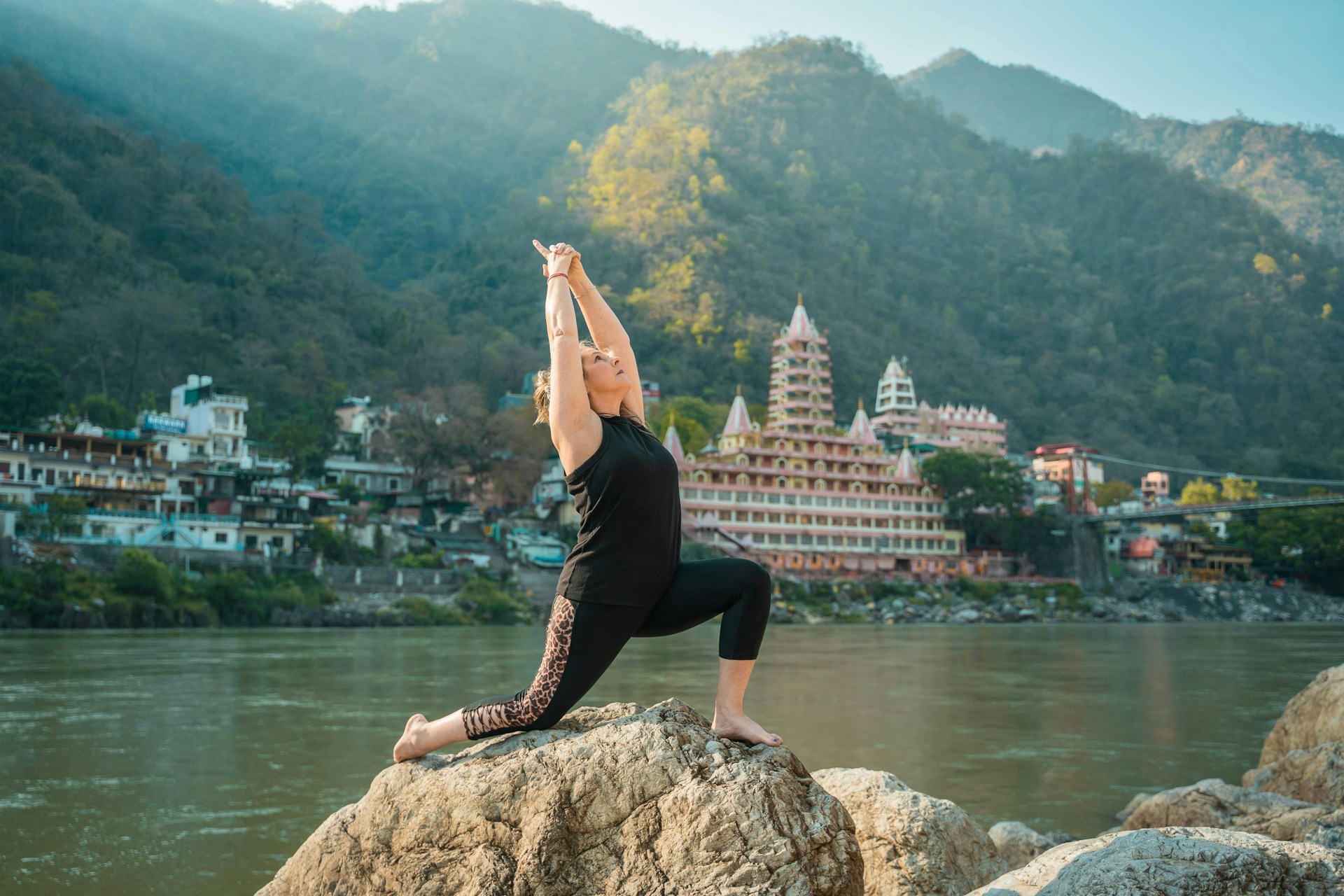
For many people, a visit to Rishikesh is more than just a holiday. It is a chance to slow down, disconnect from routines and reconnect with themselves.
Set along the banks of the River Ganga and surrounded by the lower Himalayas, this small town in Uttarakhand has earned a reputation that stretches far beyond India. Known as the ‘Yoga Capital of the World’, Rishikesh welcomes thousands of visitors every year who come seeking yoga, meditation, spiritual learning, and inner peace.
Yoga has become one of India’s most influential cultural exports. Practised today in almost every corner of the world, it has inspired millions to adopt healthier lifestyles while creating a thriving wellness tourism industry. As more people look for meaningful travel experiences instead of conventional sightseeing holidays, destinations associated with yoga have gained popularity.
Rishikesh is not simply a place where yoga is taught; it is where many people believe yoga can be experienced in its most authentic setting. For decades, people from India and abroad have travelled here to study under experienced teachers, spend time in ashrams, attend meditation retreats or simply experience the peaceful atmosphere.
While foreign visitors often receive much of the attention, Indian travellers continue to form the backbone of yoga tourism in Rishikesh. Students, professionals, retirees, families and solo travellers regularly visit for weekend retreats, teacher training courses, wellness holidays, and spiritual breaks.
Why Rishikesh?
Many places now offer yoga classes, but few combine natural surroundings, spiritual heritage, and centuries-old traditions in the way Rishikesh does.
The town sits beside one of the cleanest and fastest-flowing stretches of the Ganga before the river enters the plains. Early mornings begin with the sound of temple bells, chanting, and birdsong rather than traffic. Yoga sessions often take place overlooking the river, while meditation classes are held in quiet halls or gardens with views of the surrounding hills.
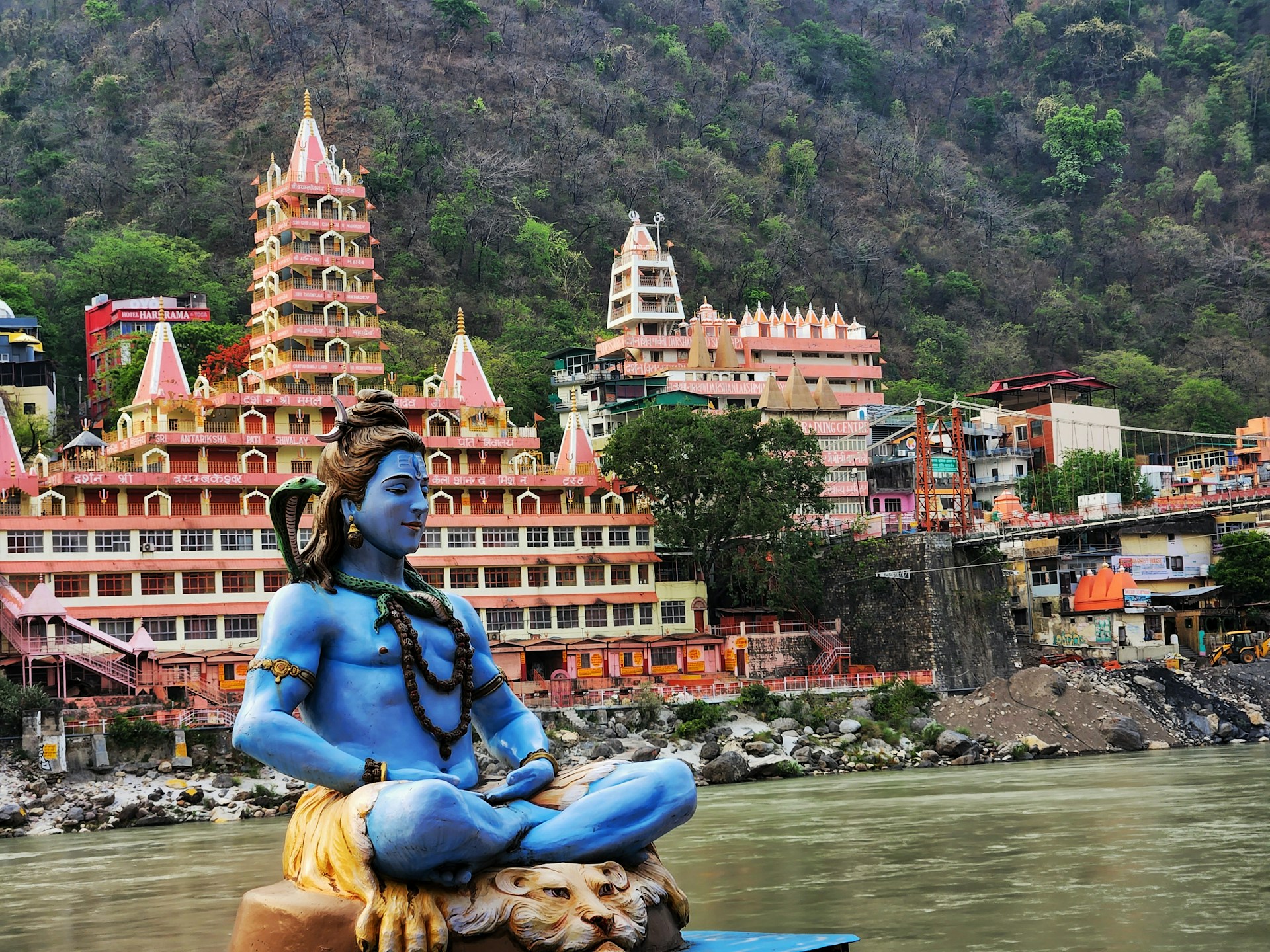
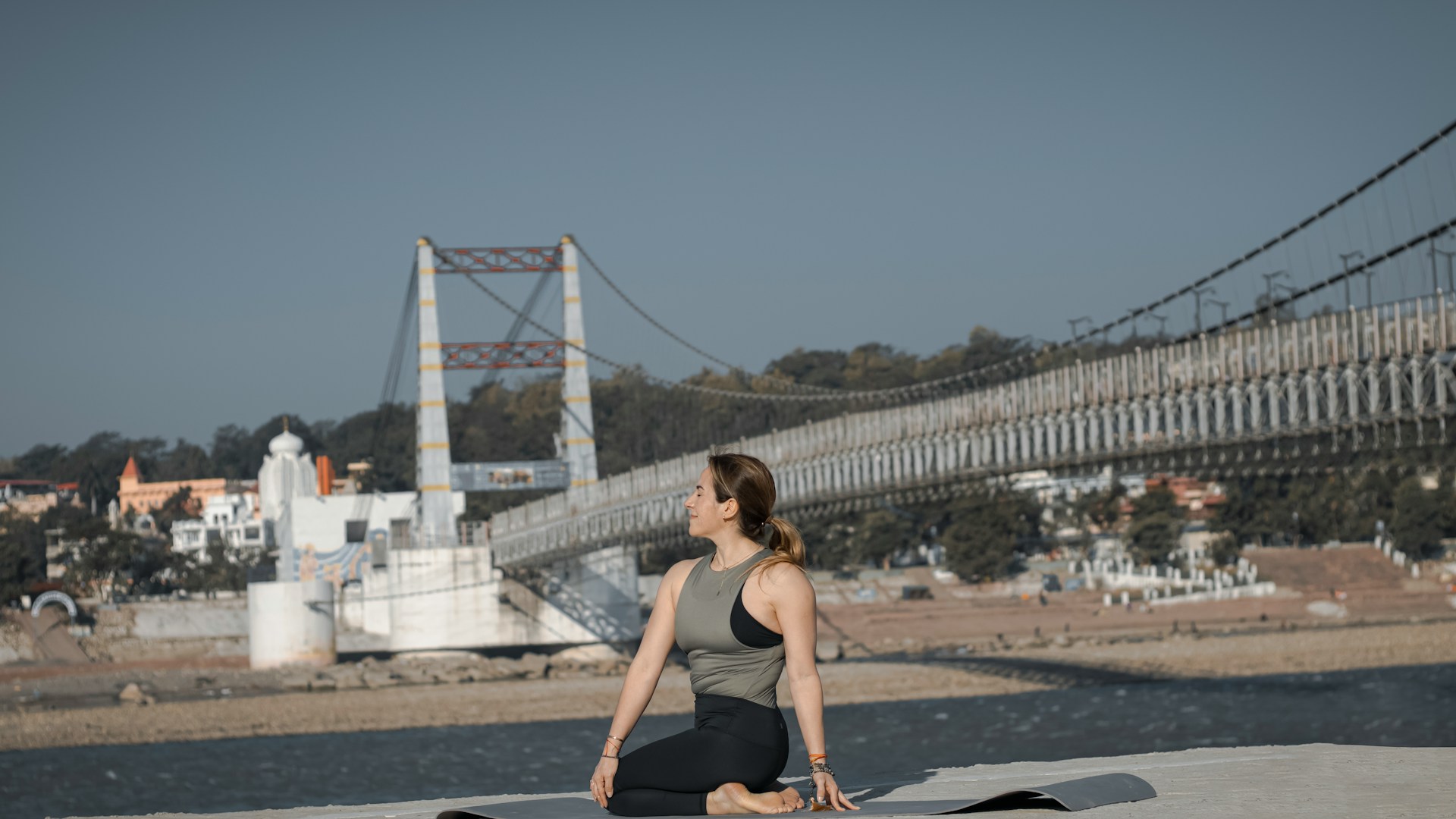
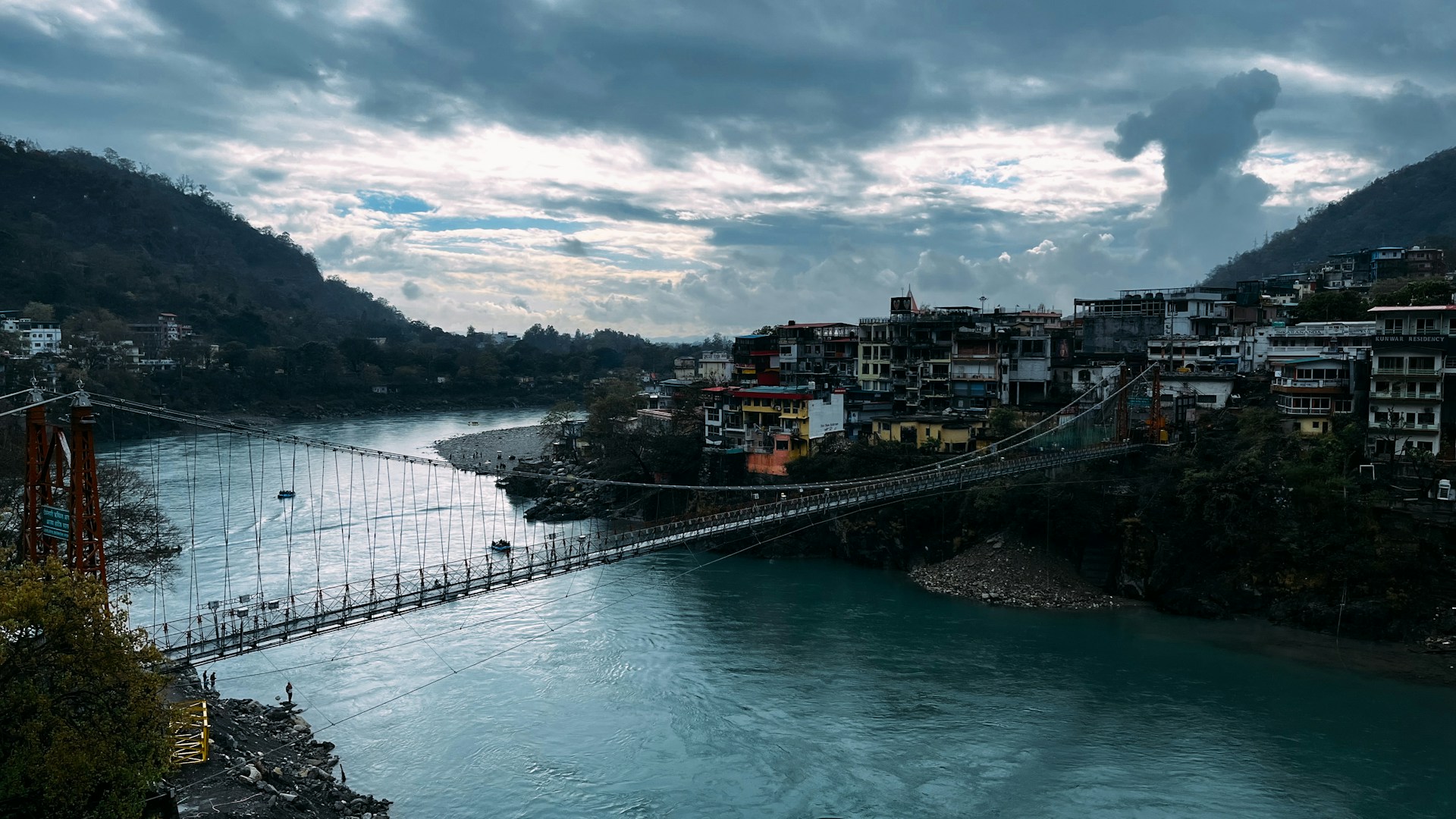
Unlike a yoga studio in a busy city, Rishikesh encourages visitors to slow down. Walking across Lakshman Jhula or Ram Jhula, sitting beside the ghats at sunrise, watching evening prayers on the riverfront or spending time in an ashram naturally becomes part of the experience.
Religion also shapes the town’s identity. Rishikesh is considered one of the holiest places for Hindus and serves as a gateway to the Char Dham pilgrimage circuit. Temples, saints, ashrams, and spiritual centres have existed here for generations. For many visitors, yoga and spirituality become closely linked, even if they arrive primarily for physical fitness.
Rishikesh is well connected to Delhi, Dehradun, and Haridwar, making it an easy destination for both domestic and international visitors. Accommodation ranges from budget hostels and traditional ashrams to boutique wellness resorts, and luxury retreats, allowing travellers with different budgets to stay for anything from a weekend to several months.
The Schools That Made Rishikesh Famous
Rishikesh is home to hundreds of yoga schools, ranging from traditional ashrams to modern training centres that attract students from across India and around the world.
Among the best known is the Sivananda Ashram, founded by Swami Sivananda, one of the 20th century’s most influential yoga teachers. Its teachings combine traditional yoga with meditation, devotional practices and service, attracting students looking for a holistic approach rather than only physical postures.
Another respected institution is the Parmarth Niketan Ashram, one of the largest ashrams in Rishikesh. Besides daily yoga and meditation classes, it is known for its evening Ganga Aarti, environmental initiatives and international spiritual gatherings. Every year, it hosts the International Yoga Festival, bringing together yoga teachers and practitioners from dozens of countries.
Ekam Yogashala focuses on traditional Hatha and Ashtanga Yoga, while also incorporating meditation, pranayama and yoga philosophy into its courses. Its teacher training programmes attract beginners as well as those looking to build a career as certified yoga instructors.
Rishikesh Yogkulam is recognised for its structured teacher training courses in Hatha, Ashtanga and Vinyasa Yoga. The school places equal emphasis on physical practice, anatomy, philosophy and mindful living, offering students a well-rounded learning experience.
Vinyasa Yogashala specialises in Vinyasa Flow and Ashtanga Yoga, with courses designed to improve strength, flexibility and breath control. Students also receive training in meditation, alignment techniques and the traditional principles of yoga.
Nirvana Yoga School offers internationally recognised teacher training programmes covering Hatha, Ashtanga and Vinyasa Yoga. Along with yoga postures, its curriculum includes pranayama, meditation, yoga philosophy and anatomy, giving students a comprehensive understanding of the discipline.
Institutions such as Yoga Niketan, Omkarananda Ganga Sadan, Rishikesh Yog Peeth, Anand Prakash Yoga Ashram and several newer schools have further strengthened the town’s reputation. Some focus on Hatha Yoga, others specialise in Ashtanga, Vinyasa or Kundalini Yoga, while many combine yoga philosophy, anatomy, breathing techniques, Ayurveda and meditation into longer residential courses.
From Student to Teacher
One of the most remarkable aspects of Rishikesh’s yoga culture is its global influence.
Every year, thousands of international visitors arrive from Europe, North America, South America, Australia, Japan, and several other countries to study here. Many enrol in internationally recognised 200-hour or 500-hour teacher training programmes that last several weeks. After completing their courses, they often return home and begin teaching yoga in studios, gyms, wellness centres or even establish businesses of their own.
Yoga studios in cities such as London, Berlin, Toronto, Melbourne, São Paulo, and New York are frequently run by instructors who received at least part of their training in Rishikesh. Some organise annual retreats that bring their students back to India, creating a cycle of repeat tourism that benefits the local economy.
This exchange has helped spread not only yoga but also interest in Indian philosophy, Ayurveda, vegetarian cuisine, and meditation. Many international students return several times over the years to deepen their practice or study with different teachers.
Indian visitors increasingly follow a similar path. As yoga gains popularity across the country, many professionals leave corporate careers to become certified instructors after training in Rishikesh. Others introduce yoga into schools, healthcare settings and community wellness programmes, carrying what they have learnt back to their hometowns.
Beyond the Yoga Mat
Although yoga remains the town’s biggest attraction, Rishikesh offers much more than classes and retreats.
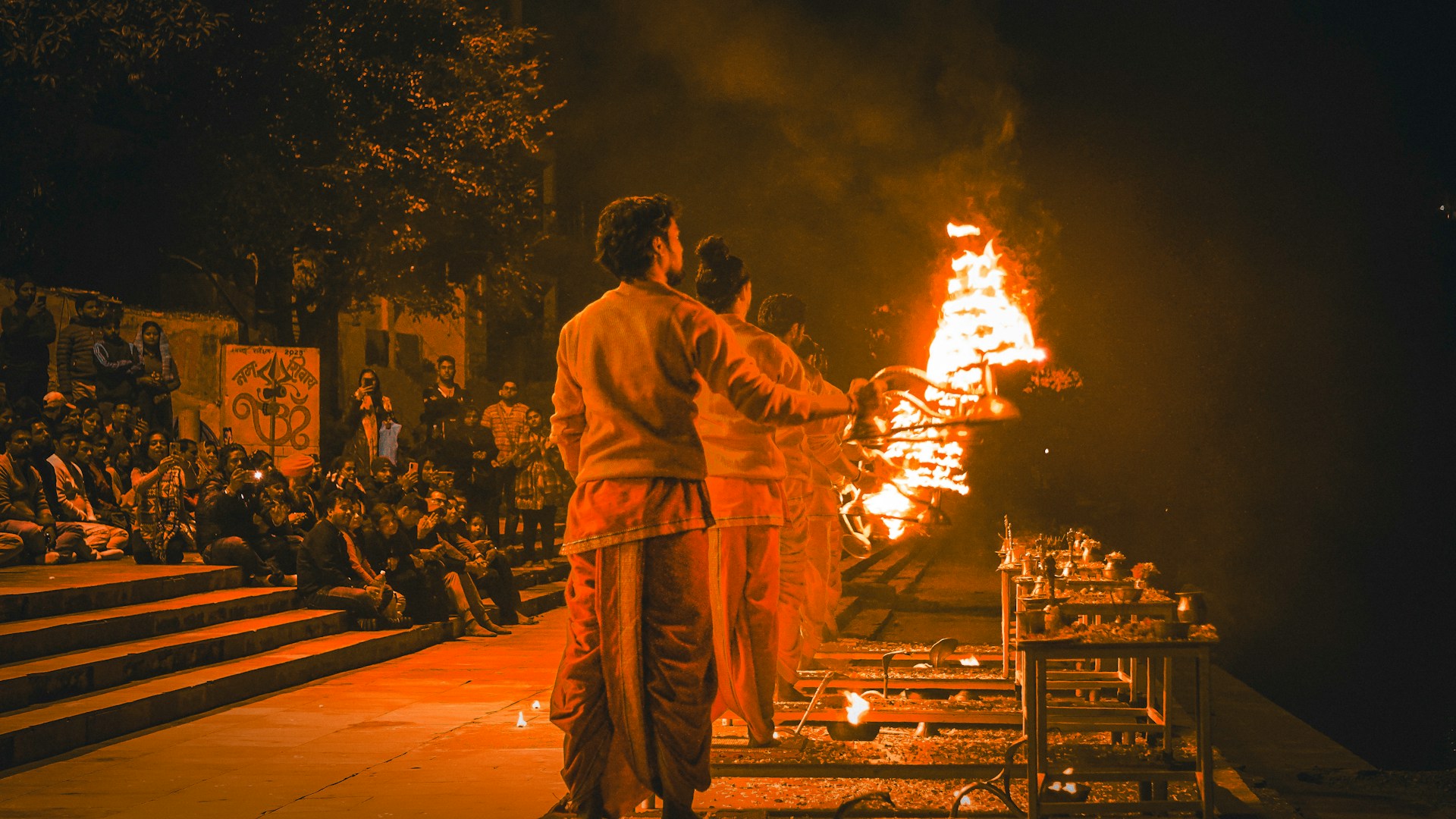
The Ganga is at the heart of daily life. Visitors often begin their mornings with a peaceful walk along the river or spend evenings watching the Ganga Aarti at Parmarth Niketan or Triveni Ghat. The ceremony, with priests offering lamps while devotional songs fill the air, attracts both pilgrims and tourists.
The town’s suspension bridges, Lakshman Jhula and Ram Jhula, are among its most recognisable landmarks. Crossing them offers sweeping views of the river, temples, and surrounding hills, while nearby markets sell handicrafts, books, incense, yoga clothing, and local snacks.
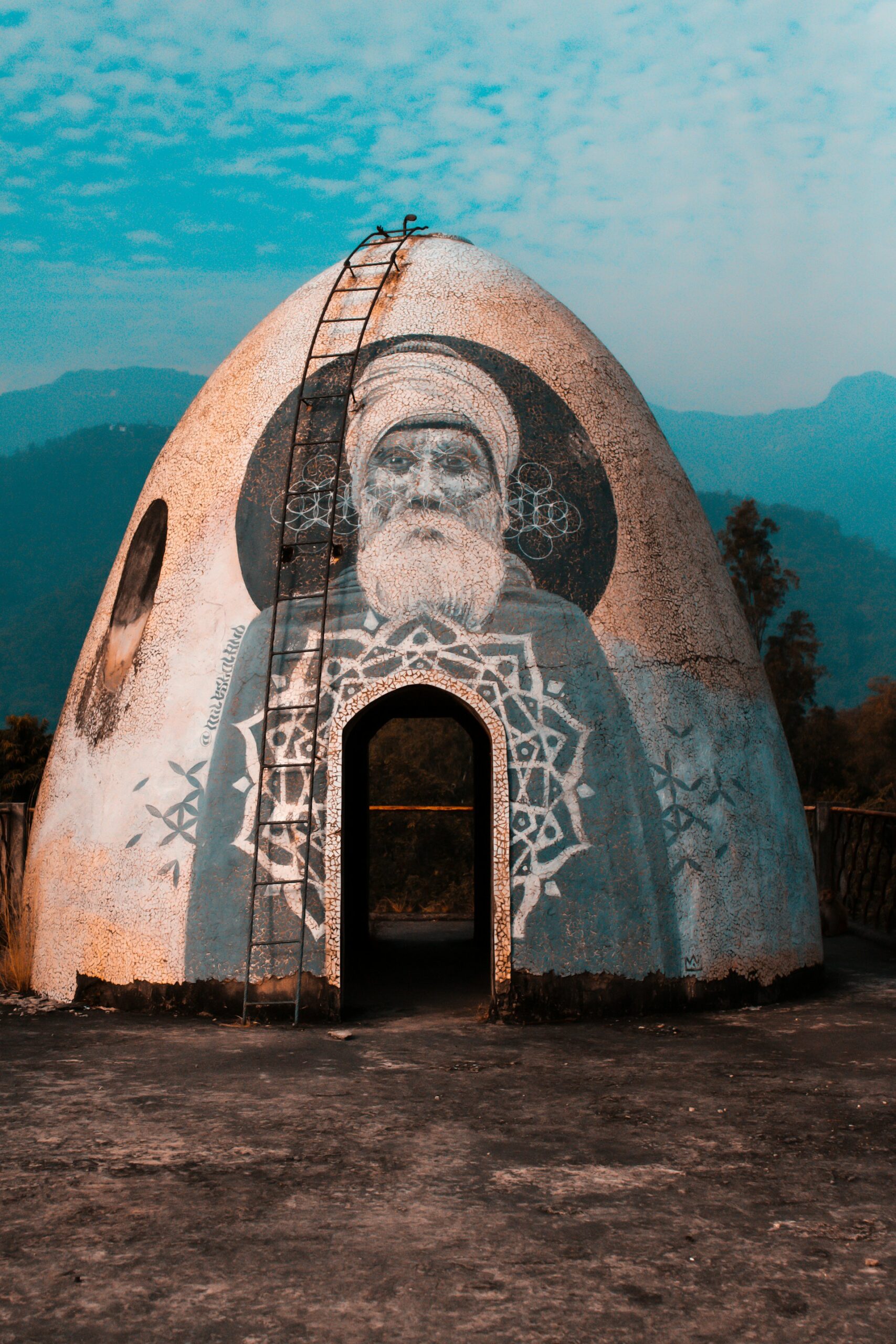
Temples such as Neelkanth Mahadev, perched in the hills above the town, attract devotees throughout the year. The Beatles Ashram, officially known as Chaurasi Kutia, has become another popular stop after the famous band’s stay there in 1968 brought international attention to Rishikesh. Its graffiti-covered walls and meditation huts draw visitors interested in both music and spirituality.
Nature is never far away. Forested trails, riverside paths, and mountain viewpoints provide plenty of opportunities for walking and photography. The nearby Rajaji National Park offers chances to spot elephants, deer, and a wide variety of birds. Adventure tourism also thrives here, with white-water rafting, bungee jumping, ziplining, kayaking, and trekking attracting young travellers who combine outdoor activities with yoga retreats.
Food is another pleasant surprise. As a vegetarian town, Rishikesh offers everything from traditional North Indian meals and Ayurvedic dishes to organic cafés serving international cuisine. Fresh fruit juices, herbal teas, and wholesome meals fit naturally into the wellness atmosphere that defines the destination.
A Destination That Continues to Inspire
Rishikesh has changed over the years. New cafés, boutique hotels, co-working spaces, and wellness resorts have appeared alongside centuries-old temples and traditional ashrams. Better transport links and growing international awareness have made it easier than ever to visit.
Yet the town has managed to retain much of what first attracted travellers. Whether someone arrives for a week-long yoga retreat, a pilgrimage, an adventure holiday or simply a break from city life, the rhythm of the place encourages them to pause and look inward.