As April turns to May in Riga, Latvia’s capital starts to free itself from winter’s icy clutches. Make no mistake, April can still bring chilly days and sudden changes in weather, but May is generally milder, with greener areas and more opportunities for outdoor activity across the city.
The various characters of Latvia melt in Riga. You can spend a morning walking through the medieval Old Town, move on to streets lined with elaborate Art Nouveau buildings, warm up in a café over Latvian food and spend the evening at a concert, bar or live-music venue.
Despite its more than 800 years of history, Riga’s appeal is not limited to its past. The capital is Latvia’s cultural and creative centre, and its historic architecture exists alongside contemporary restaurants, galleries, nightlife and a growing coworking scene.
Start with Riga’s historic heart
Riga was founded in 1201 as a port city on the Daugava River and became an important trading centre of the Hanseatic League between the 13th and 15th centuries. Its historic centre reflects that history, although much of the original medieval city was altered or destroyed by fires and wars over the centuries. The city expanded significantly during the 19th and early 20th centuries, when its suburbs developed into some of the architectural areas that visitors see today.
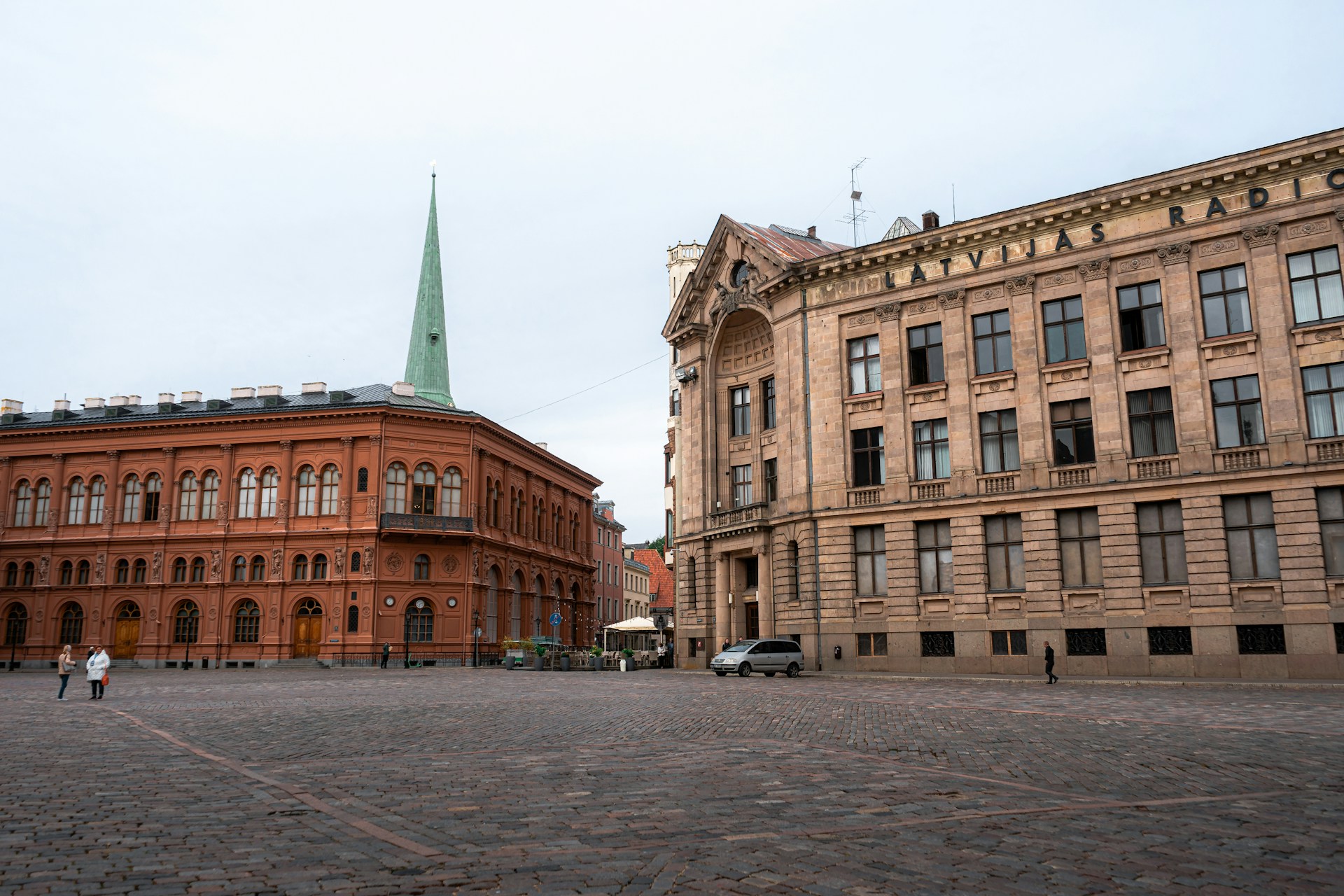
The Old Town, or Vecrīga, is the obvious place to begin. Its cobbled streets lead to Riga Cathedral, St Peter’s Church, the House of the Blackheads and other buildings that reflect the city’s medieval and later history. The iconic centre has been a UNESCO World Heritage Site since 1997, with its medieval core, the surrounding boulevards and historic neighbourhoods with wooden architecture.
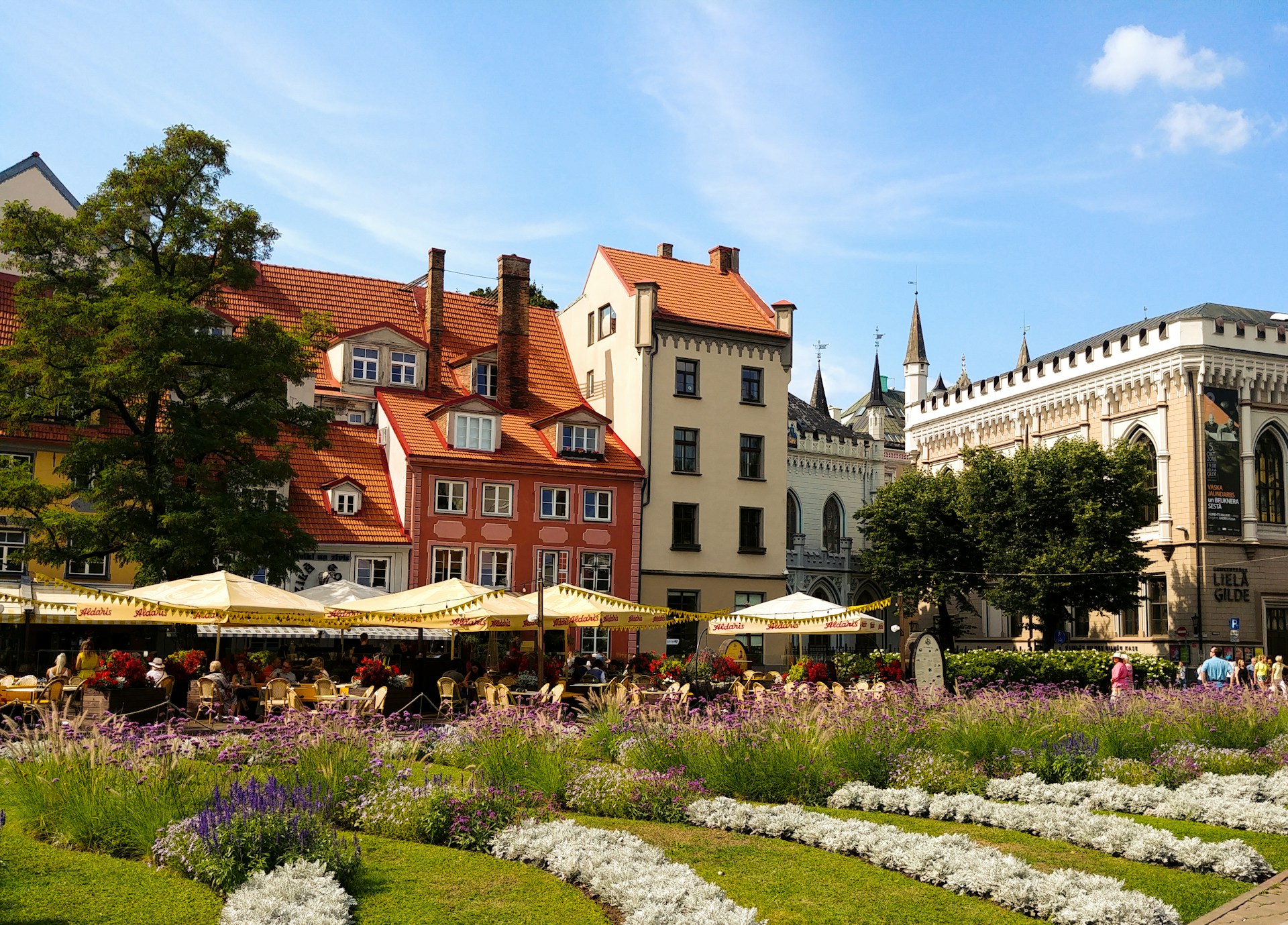
April is a particularly pleasant time to walk through this part of the city as the days become longer. May makes it easier to linger outside, sit in a square with a coffee or continue walking along the parks and canal after visiting the famous sites.
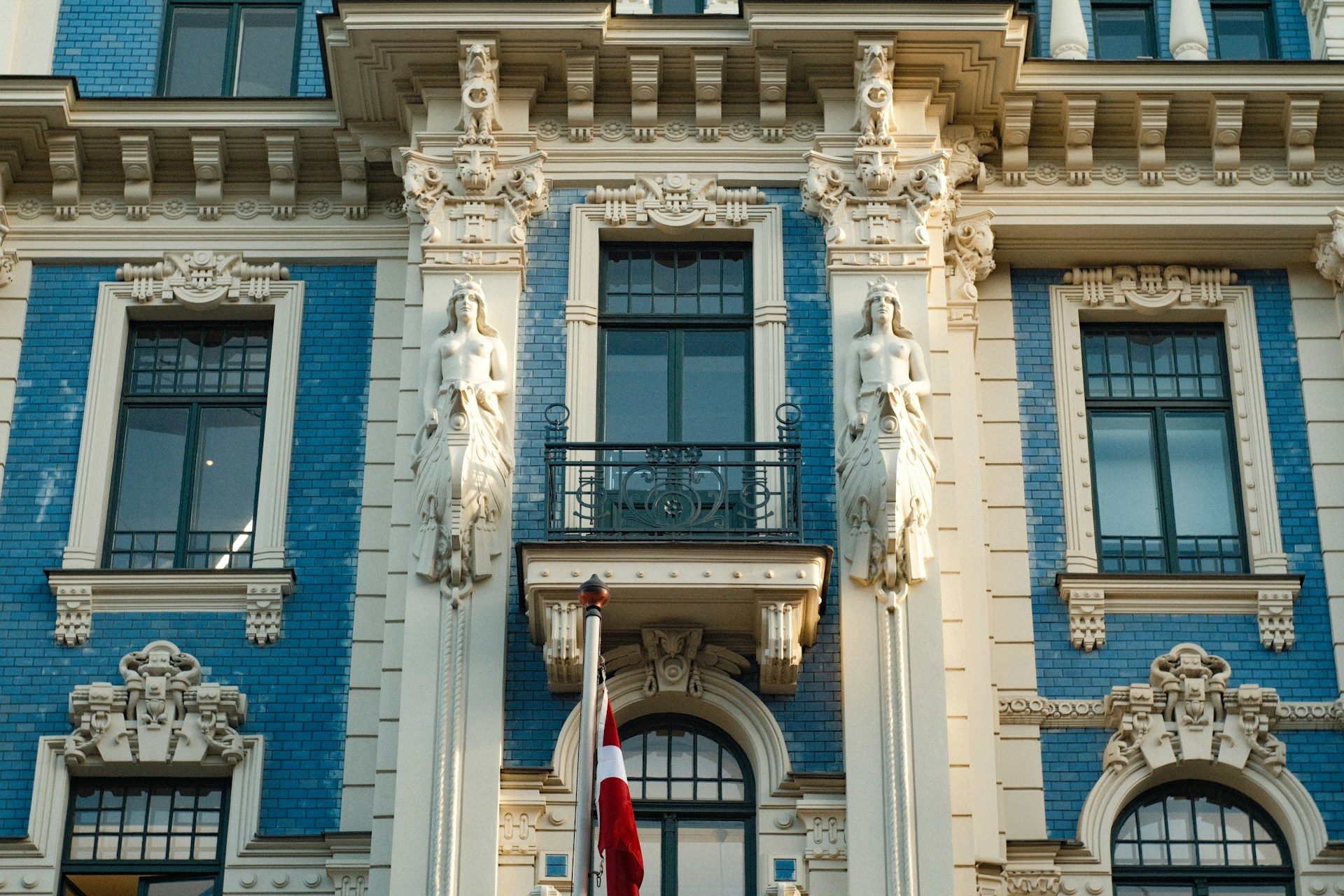
Then there is the architecture that has become almost synonymous with Riga. The Quiet Centre, about a 10- to 15-minute walk from the Old Town, contains a remarkable concentration of Art Nouveau buildings. Alberta iela is one of the best-known streets along with Elizabetes iela and Strēlnieku iela, featuring elaborate facades, sculptural details, and decorative motifs dating largely from the early 20th century.
The Riga Art Nouveau Museum adds another dimension to the architecture. Instead of simply looking at facades from the street, visitors can see a restored early 20th-century apartment on Alberta Street and get an idea of how people lived during the period when the style was shaping the city.
Make room for museums, markets, and neighbourhoods
Riga has plenty to offer on days when walking around outside is less appealing. The Latvian National Museum of Art featuring Latvian and Baltic art is a good stop, while the Museum of the Occupation of Latvia explores the country’s difficult 20th-century history.
The city also has contemporary galleries, design spaces, street art and smaller cultural venues. Riga’s creative side is particularly noticeable in neighbourhoods outside the Old Town, where independent cafés, restaurants, studios and small businesses have taken up space in older buildings.
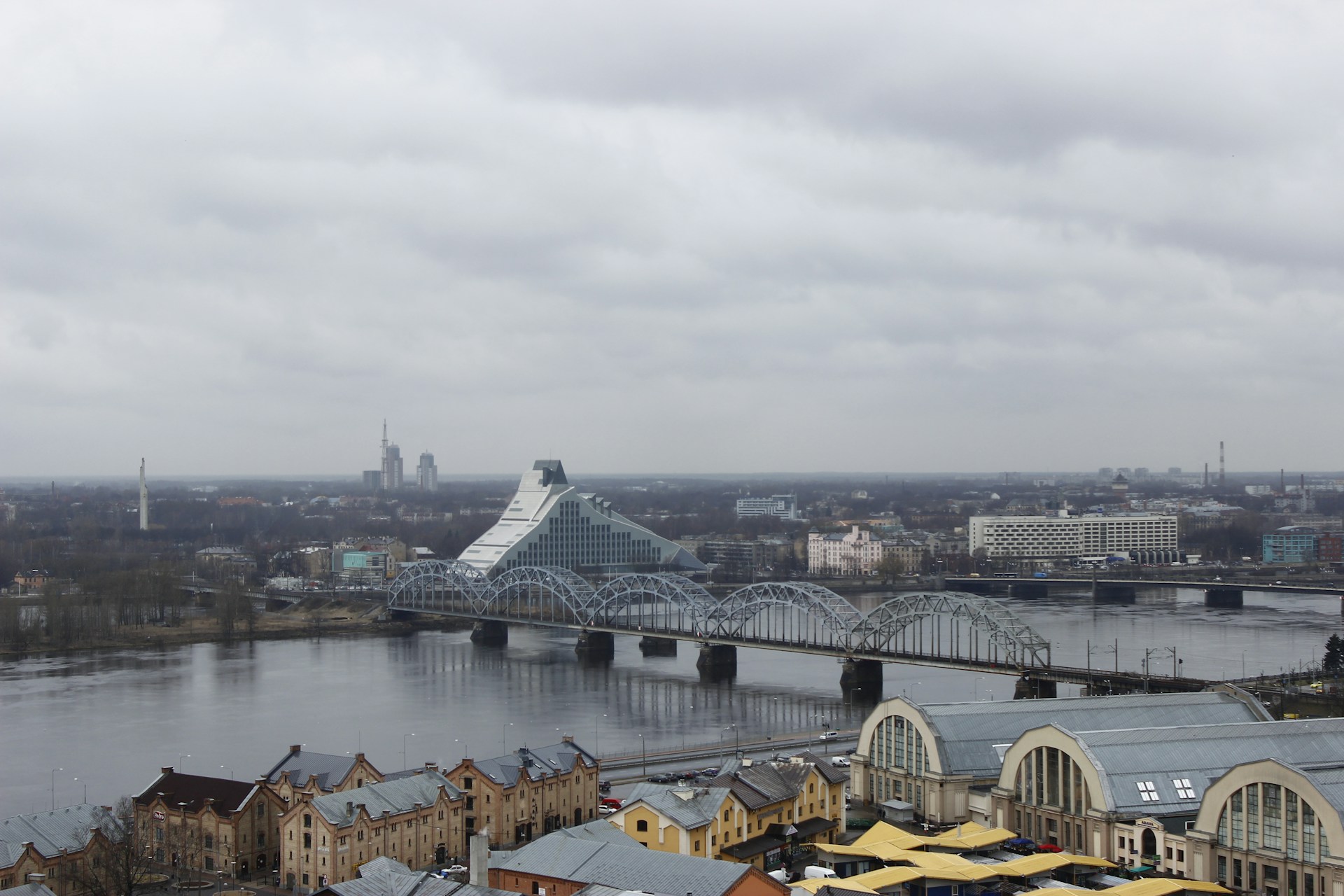
The Riga Central Market is another place worth spending time in. Located next to the Daugava and close to the Old Town, railway station and bus station, it occupies five large pavilions and remains an important part of everyday city life. Opened in 1930, it was once described as the largest and most modern market in Europe. Today it remains one of the city’s best places to look at local produce and Latvian food culture.
Look for rye bread, smoked fish, dairy products, vegetables, pickles, honey and other local produce. April and May also bring the beginning of the more colourful outdoor market season, making it worth checking what is happening around the city during your stay.
Āgenskalns Market, on the left bank of the Daugava, is another good place to spend time. Its historic pavilion, first opened in 1898 and renovated in recent years, now combines local producers, bakeries, coffee, street food and other small businesses.
Kalnciema Quarter is another interesting stop. Its wooden architecture and Saturday market bring together local food, crafts, design and cultural events. As the weather improves in April and May, the outdoor atmosphere becomes part of the experience.
Neighbourhoods such as Miera iela and the areas around Avotu and Vagonu streets have cafés, restaurants, small creative businesses and cultural venues. They give a different sense of Riga from the historic centre and are worth returning to if you are staying for several weeks.
What to eat in Riga
Latvian food is closely tied to the country’s climate, forests, farms and long winters, so traditional cooking tends to make generous use of potatoes, grains, rye, fish, dairy products and smoked ingredients.
Rye bread is particularly important to Latvian cuisine and comes in many forms. Grey peas with bacon and onions are another traditional dish to look for, while smoked fish, herring, sour cream, mushrooms, and berries are common choices at markets and restaurants.
Sklandrausis, a small rye pastry filled with potato and carrot, is also a must try. It comes from Kurzeme in western Latvia, but can be found in Riga as well.
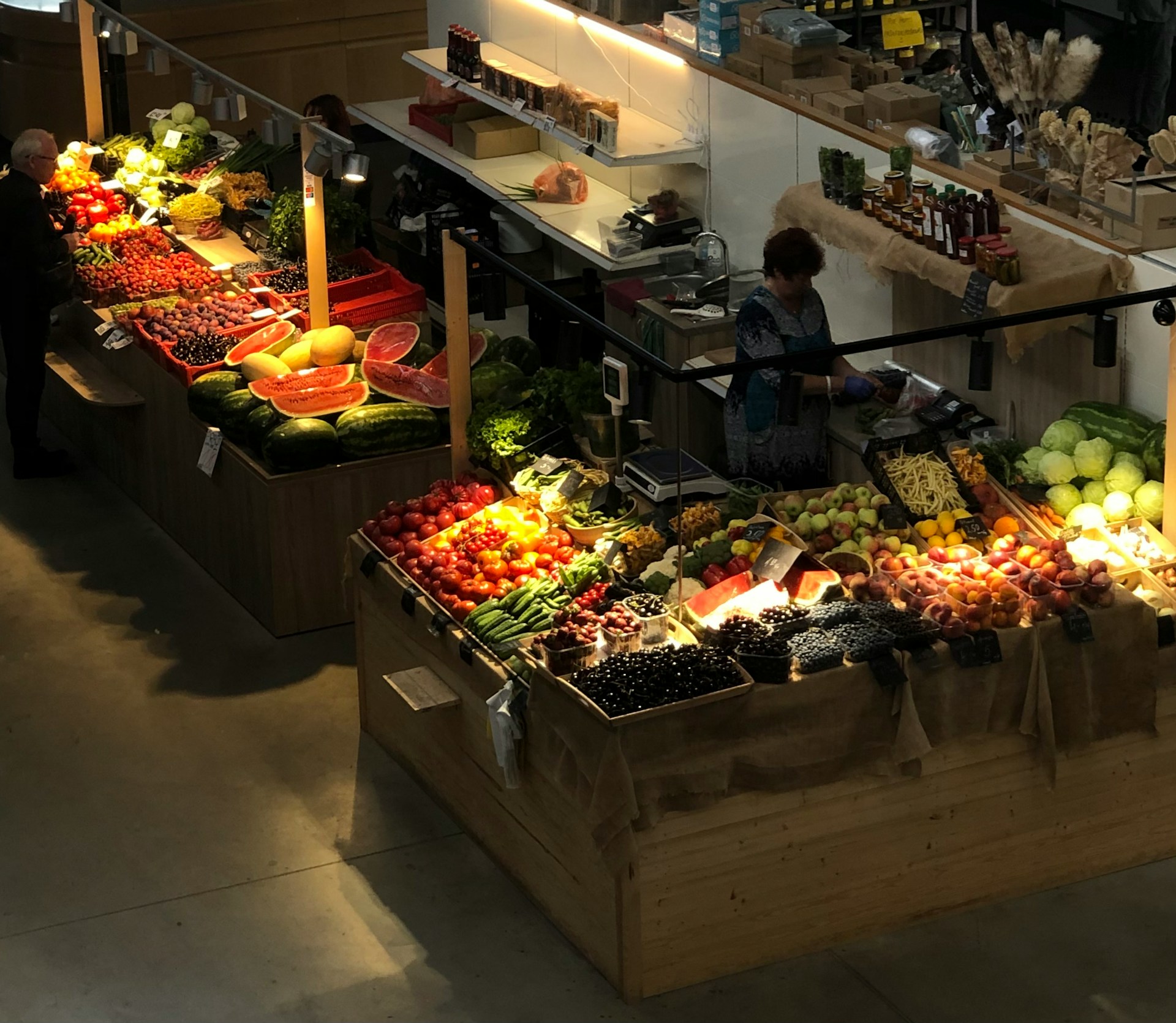
For a longer stay, the city’s food scene offers plenty of variety. Alongside Latvian cooking, Riga has restaurants serving European, Asian, Middle Eastern and other international cuisines, as well as cafés and bakeries. The Central Market makes it possible to buy ingredients and occasionally prepare your own meals, which can be useful when staying for a month rather than eating out every day.
Riga after dark
Riga’s nightlife is not limited to the Old Town, although the historic centre remains one of the easiest places to begin an evening. Its streets have restaurants, pubs, cocktail bars and clubs, while central Riga and neighbourhoods such as Avoti and the Quiet Centre offer smaller bars, breweries, and live-music venues.
April can still be cool enough that indoor venues dominate the evening, but May starts to bring a different atmosphere as terraces and outdoor spaces begin to open up. The city also hosts a variety of cultural programmes, with concerts, opera, ballet, theatre, exhibitions and contemporary events taking place throughout the year.
For travellers staying into May, it is worth looking at the city’s event calendar rather than planning every evening around nightlife. A concert, gallery opening or theatre performance can be as much a part of experiencing Riga as a late night in a bar.
What is Riga like in April and May?
In Riga, daylight already lasts more than 13 hours at the beginning of April and grows to more than 15 by the start of May. By the end of May, the days are much longer still.
You can have sunny afternoons followed by cold or rainy weather, so layers and a waterproof jacket remain useful. May is generally more comfortable for outdoor sightseeing, although it is still wise to be prepared for showers and cooler evenings.
The advantage is that spring gradually opens up the city. Parks around the canal and boulevards become greener, outdoor seating returns and walks along the Daugava become more enjoyable.
In Riga, nature is never particularly far away – beaches, forests, and other outdoor areas can be reached without a long journey from the centre.
Riga for digital nomads and longer stays
Riga is also suitable for travellers who want to stay longer, particularly digital nomads and remote workers. The capital has a growing coworking scene, with spaces offering hot desks, fixed desks, private offices, meeting rooms and high-speed internet. Some are right in the centre or Old Town, while others are located in newer business districts and residential neighbourhoods.
Longer stays also give visitors time to experience Riga’s ordinary rhythms. You can work from a coworking space for part of the day, use cafés for a change of scenery, visit museums and exhibitions when the weather is hotter, and keep weekends for exploring outside Riga.
Sigulda, in the Gauja Valley, is around 70 kilometres from Riga and can be reached by train in about an hour. The town provides access to the landscapes of Gauja National Park, along with Turaida Castle, Gutman’s Cave and the Gauja River valley. Gauja is a popular choice for a day outside the capital, with forests, walking trails, and river valley.
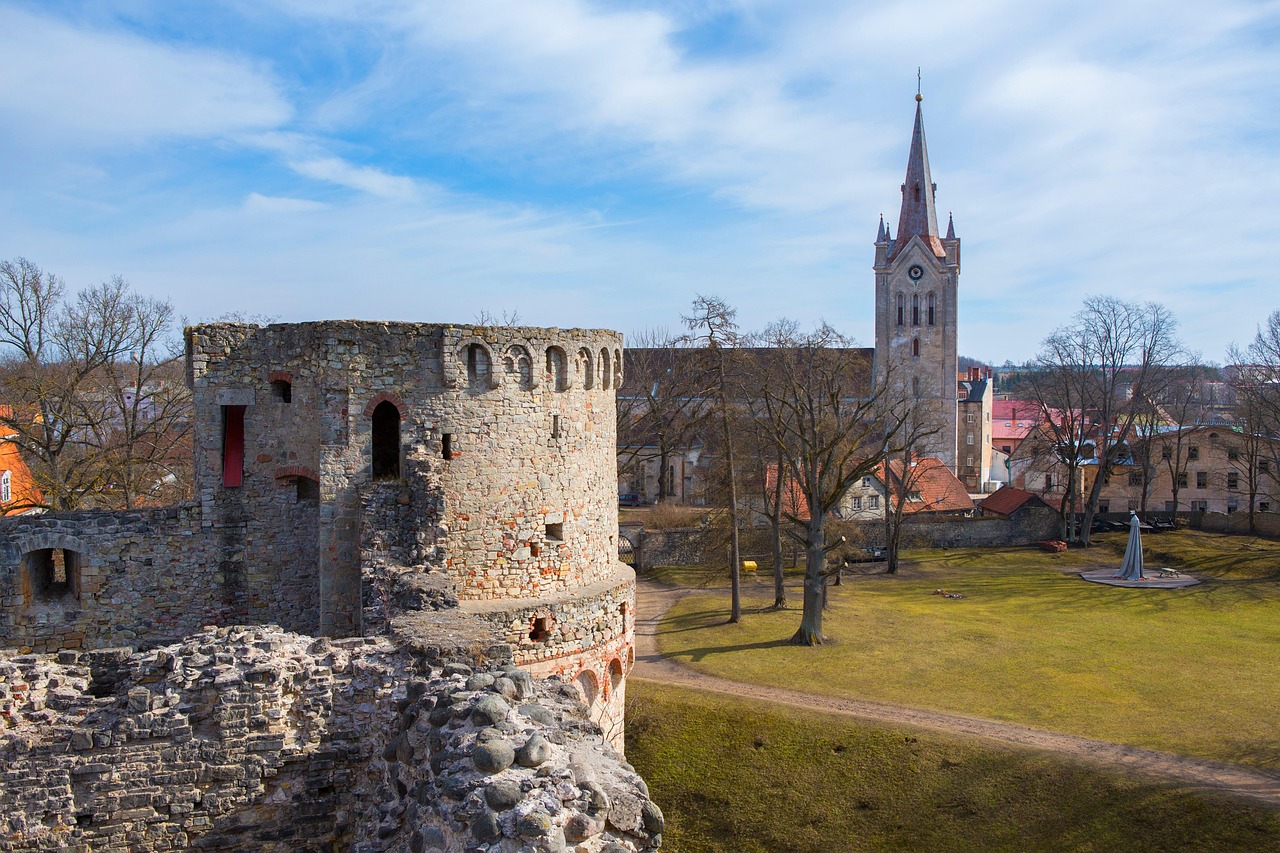
Cēsis is another worthwhile longer-stay excursion, with its medieval castle, historic centre and parks, while Rundāle Palace provides a chance to see one of Latvia’s grandest historic estates. Jurmala, the resort town on the Gulf of Riga, is also close enough for a change of scenery and a walk along the beach.
A month in Riga also gives visitors time to experience the city’s seasonal cultural life. You can attend a local concert, spend an afternoon at a market, visit an exhibition or ballet, try different restaurants and explore neighbourhoods that may not make it onto a short-break list.
Riga as a Baltic base
Riga can also serve as your base for travelling elsewhere in the Baltic region. Regular international bus connections link the Latvian capital with Tallinn in Estonia and Vilnius in Lithuania making it easier for travellers to combine the three Baltic capitals as Riga sits naturally between Tallinn and Vilnius.
Riga International Airport has international services towards other neighbouring countries and is well connected to the city.
The city itself is easy to navigate by public transport, while the central areas can be explored on foot. This combination becomes particularly useful for longer stays, when visitors can gradually move beyond the main tourist areas without needing to organise transport for every outing.
Riga in April and May is a city in transition. April brings longer days and the first real signs of spring, while May makes outdoor life increasingly enjoyable. For a short visit, Riga brings together a remarkable amount of history, architecture, food, and culture. For a longer stay, it gives travellers the time to experience all of that while also seeing more of Latvia and the wider Baltic region.