

Europe in summer. It brings to our mind sunny town squares, clear Mediterranean waters, and relaxed outdoor dining. But in recent years, frequent and intense heatwaves have started to change this picture. As we go through the summer of 2025, Southern Europe is facing another round of extreme heat, affecting both tourists and the travel industry.
This isn’t just about a few hot days; climate change is making these extreme weather conditions more frequent and more intense. Temperatures well into the 40s Celsius (over 100°F) are becoming a regular occurrence, bringing with them a host of challenges from health risks to wildfire threats and disrupted travel plans.
The initial excitement of a European getaway often fades as tourists face various challenges brought on by the intense heat.
A Closer Look at Southern Europe
In the summer heatwave of 2025, Southern Europe is enduring its worst impacts, with soaring temperatures disrupting daily life and tourism.
Let’s take a closer look at the three most affected destinations in Southern Europe: Spain, Italy and Greece.
Spain
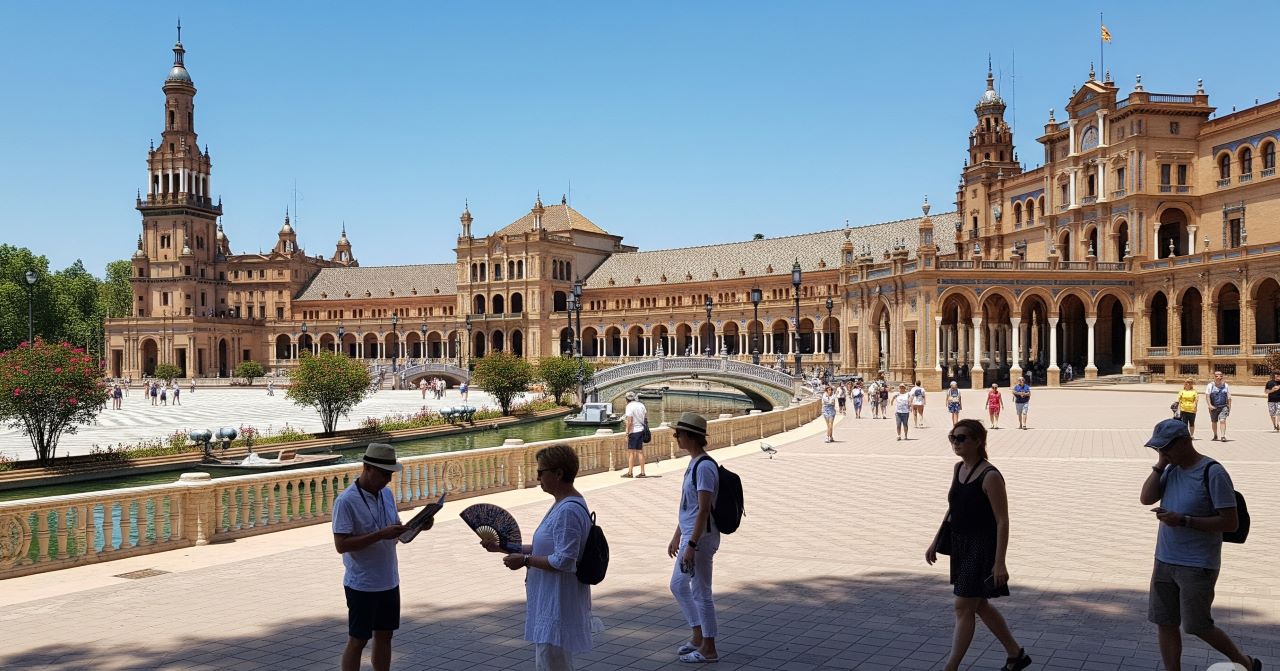
Spain, especially its southern regions such as Andalusia, is renowned for its severe summer heat, but current temperatures are pushing these warm areas to new extremes. Cities like Seville have seen the mercury climb to a searing 42°C and above.
The vibrant street life that defines Spanish cities can feel daunting under the midday sun. Tourists are seen taking shelter in the cool interiors of cathedrals, museums, and flamenco halls. The iconic “siesta” is not just a cultural tradition anymore, but has become a vital survival mechanism for locals and tourists alike.
Spain has also experienced devastating wildfires recently, particularly in Catalonia. The intense heat also puts immense pressure on public health services. There’s a heightened awareness of dehydration and heatstroke, with health advisories being widely circulated.
There are rarely any outdoor activities between 11 am and 5 pm. Tourists prefer to go out and explore in the evening, when the heat subsides slightly and the cities come alive with cooler breeze. Public swimming pools and aquatic parks are a hit now. Many hotels and guesthouses are emphasizing their air-conditioned facilities as a key selling point.
Italy
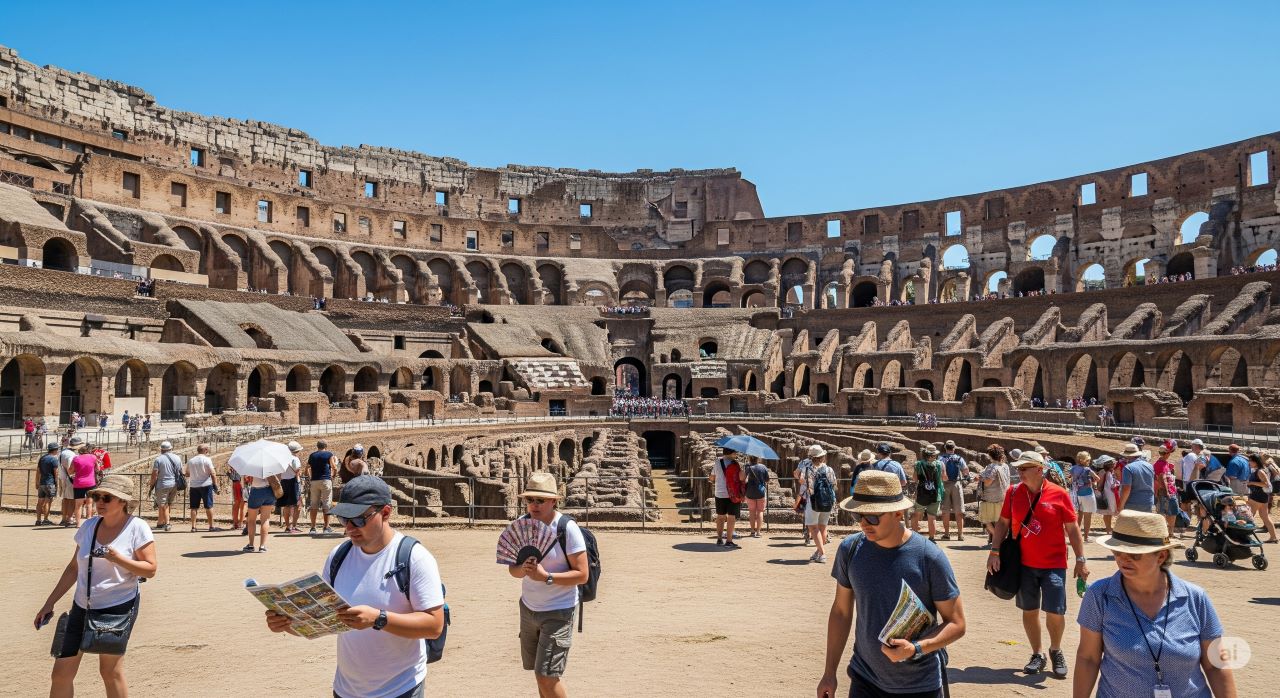
From the historical grandeur of Rome to the sun-kissed coasts of Sicily and Puglia, Italy offers a beautiful blend of culture and relaxation. Yet, it too is facing the brunt of the heatwave, with numerous cities, including Rome, Milan, and Naples, frequently under the highest red heat alerts.
Visitors in Rome are reportedly seeking refuge in its many churches, which offer cool stone interiors, and crowding around fountains like the Trevi to splash cool water on their faces. Outdoor dining, a quintessentially Italian experience, is often pushed much later in the evening. In coastal areas, while the beaches are favourite spots for the tourists, the extreme humidity can make the heat feel even more oppressive.
Italy has seen a rise in heat-related hospitalizations, particularly among outdoor workers and those not accustomed to such severe conditions. There have been reports of tourists falling ill on beaches. Local unions are pushing for bans on outdoor work during peak heat, a measure already implemented in some regions like Sicily and Liguria.
Hydration is absolutely essential, with many carrying large water bottles and constantly seeking out shade. Gelaterias are doing a roaring business, offering a delicious way to cool down. Booking accommodations with air conditioning is no longer a luxury but a necessity. Many are opting for early morning walks and late evening explorations, making the most of the cooler hours.
Greece
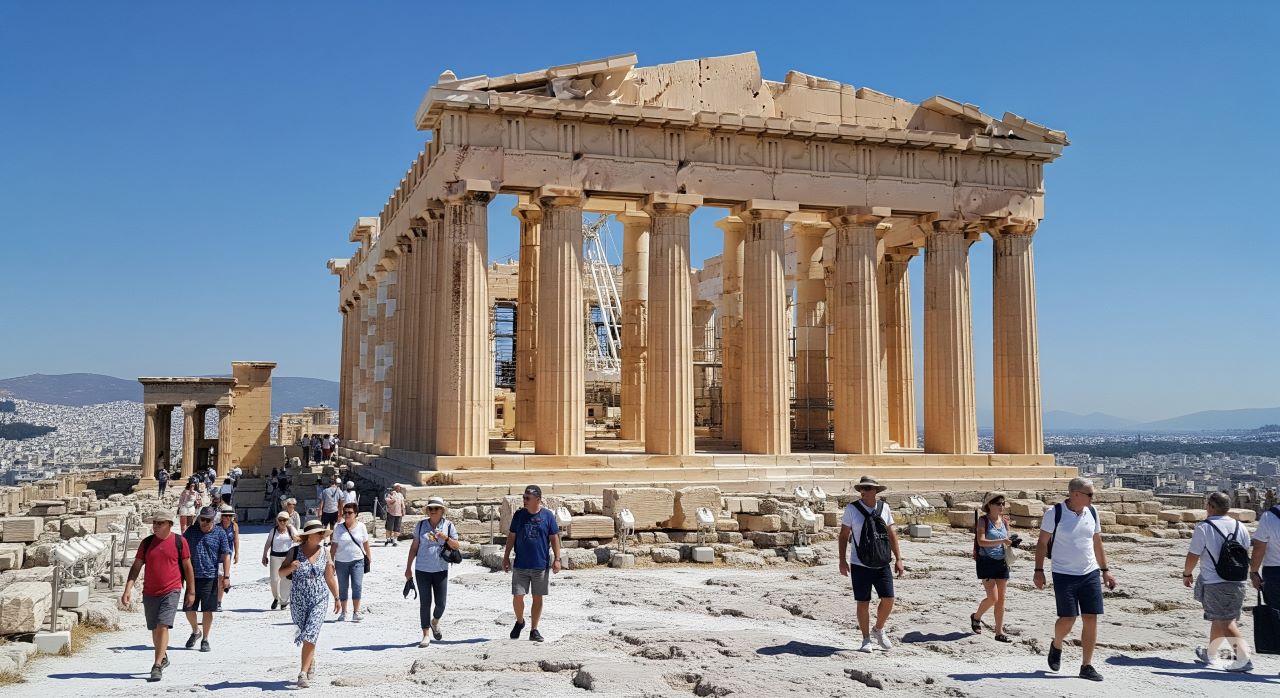
With its ancient historical sites and stunning islands, Greece is a perennial favourite European destination for travellers. However, it’s also highly susceptible to extreme heat and devastating wildfires. Athens, often referred to as Europe’s warmest capital, regularly sees temperatures exceeding 40°C in summer.
Visitors to Athens have reported crowding in shaded areas around popular sites like the Acropolis and the Roman Agora, clutching water bottles and seeking respite wherever possible. The decision to close the Acropolis during peak afternoon hours highlights the severe impact of the ongoing heatwave.
The sea side may offer some relief to the tourists, but on the islands the blazing sun means beach days are often cut short, and exploring charming villages can be draining.
Wildfires are a persistent threat. Major blazes, like the one recently near the Temple of Poseidon south of Athens, have led to evacuations and significant disruption. The “urban heat island” effect in cities intensifies the heat, making central areas particularly uncomfortable.
Visitors are advised to explore archaeological sites and undertake physically demanding activities only during very early morning or late evening hours to avoid the peak heat of the day.
Museums and indoor attractions are seeing increasing footfalls during the day. Locals recommend tourists to stay indoors for the hottest part of the afternoon and be well-hydrated.
The current heatwaves are not just a passing phenomenon – they are rapidly becoming the “new normal” in European summers.
Heatstroke, dehydration, and heat exhaustion are very real risks, especially among the elderly and those with pre-existing conditions. Strolling through ancient ruins or exploring city centers become a difficult task, often leading to curtailed sightseeing.
The dry, hot conditions coupled with increased risk of wildfires not only pose a direct threat to safety but also impact air quality and overall holiday enjoyment of the travellers.
Power outages, water shortages, and pressure on local health services can become troubling issues as the infrastructure struggles to cope with the increased demand from both residents and tourists trying to stay cool.
Despite these challenges, Europe’s charm continues to attract visitors. The tourism sector, a cornerstone of many European economies, is actively trying to adapt to the ongoing climate changes.
Shift in tourism pattern
- Promoting Off-Season Travel: There’s a growing push to encourage tourism in spring and autumn months when temperatures are milder and more conducive to outdoor exploration.
- Changing Travel Habits: Visitors are increasingly altering their itineraries. The traditional midday sightseeing rush is giving way to early morning excursions and late evening strolls. Air-conditioned museums, galleries, and shopping centers are becoming popular for daytime visits, while beaches and pools offer occasional relief.
- Focus on Cooler Regions: Some tourists are redirecting their summer plans towards northern European destinations or mountainous regions that offer respite from the intense heat of the south.
- Infrastructure Improvements: Cities are investing in cooling centers, increasing green spaces, planting more trees, and installing water fountains to combat the heat effect.
- Smart Tourism Apps: Technology is playing a role, with apps that can recommend cooler routes, air-conditioned venues, and real-time heat alerts.