
Turkmenistan, a landlocked country in Central Asia, is one of the world’s least-visited nations.
Known for its vast deserts, futuristic cityscapes, ancient Silk Road heritage, and the striking Darvaza Gas Crater (often called the “Door to Hell”), Turkmenistan has long been a mystery to many travellers.
For decades, it maintained strict controls over who could enter the country, but that has started to change. The country is gradually showing a shift towards a more open and tourism-friendly approach.
If you are looking for unique adventures in less-crowded destinations, this may be the perfect time to explore this intriguing part of the world.
Opening Up to the World: What’s Changing?
In the past, visiting Turkmenistan wasn’t easy. The country maintained a tightly regulated visa policy and had limited infrastructure for independent tourism. Most visitors had to join guided tours, and visa approvals often took weeks. However, recent developments show a change in strategy.
Turkmenistan is actively promoting tourism as a new focus for economic growth. The government has been investing in infrastructure, including airport upgrades, improved hotel facilities, and digital visa systems. More importantly, the country is starting to streamline its entry processes and encourage visitors from a growing list of countries.
Ashgabat, the capital, hosted several tourism events in 2024 and 2025, inviting global tour operators and airlines to explore partnership opportunities. There is an increasing number of international flights connecting Turkmenistan to cities in Europe, the Middle East, and Asia.
While tourism is still in its early growth stage, the country’s leadership is showing interest in welcoming more foreigners, highlighting the region’s rich cultural and historical sites.
What Foreigners Should Know Before Planning a Trip
Before heading to Turkmenistan, it’s important to understand a few key things.
1. Independent travel is still restricted to some extent. While some progress has been made, many travellers still need to join organized tours or use licensed local guides, especially outside the capital. However, solo travel within Ashgabat is easier than before.
2. Internet access is limited. Many popular websites and social media platforms are blocked, and internet speed may be slow. Using a VPN may help, but travellers should be prepared for a digital detox experience.
3. Cash is king in Turkmenistan. Credit cards are accepted only in a few upscale hotels and shops. Carry enough US dollars (small bills) for your expenses. ATMs are not widely available for foreign cards.
4. Always respect local customs and laws. Turkmenistan is a conservative country with strict regulations. Public photography may be restricted in some areas, especially near government buildings. Always ask permission before taking photos of people or property.
Entry Requirements: Visa and More
Most foreign visitors require a visa to enter Turkmenistan. There are two main ways to get one:
1. Tourist Visa with Letter of Invitation (LOI)
This is the most common way. Travellers need to apply through a licensed Turkmen travel agency, which will provide the LOI. With the LOI, you can apply for a visa at a Turkmen embassy or at the airport on arrival (depending on your nationality). Processing time for LOIs is usually 10–15 working days.
2. E-Visa (Under Development)
Turkmenistan is in the process of launching an e-visa system. While not yet fully functional for all nationalities, the goal is to simplify visa procedures in the near future. Keep an eye on official announcements.
Additional Entry Tips:
- Your passport should be valid for at least six months beyond your entry date.
- Travellers may be required to pay a small migration fee on arrival (usually around USD 10–15).
- Health insurance might be required; some tour agencies offer packages that include it.
- Border crossings by land are possible but often require more paperwork.
Top Tourist Sites to Visit
Turkmenistan has a range of attractions—from ancient ruins to natural wonders and futuristic cities. Here are some of the must-see places:
1. Ashgabat
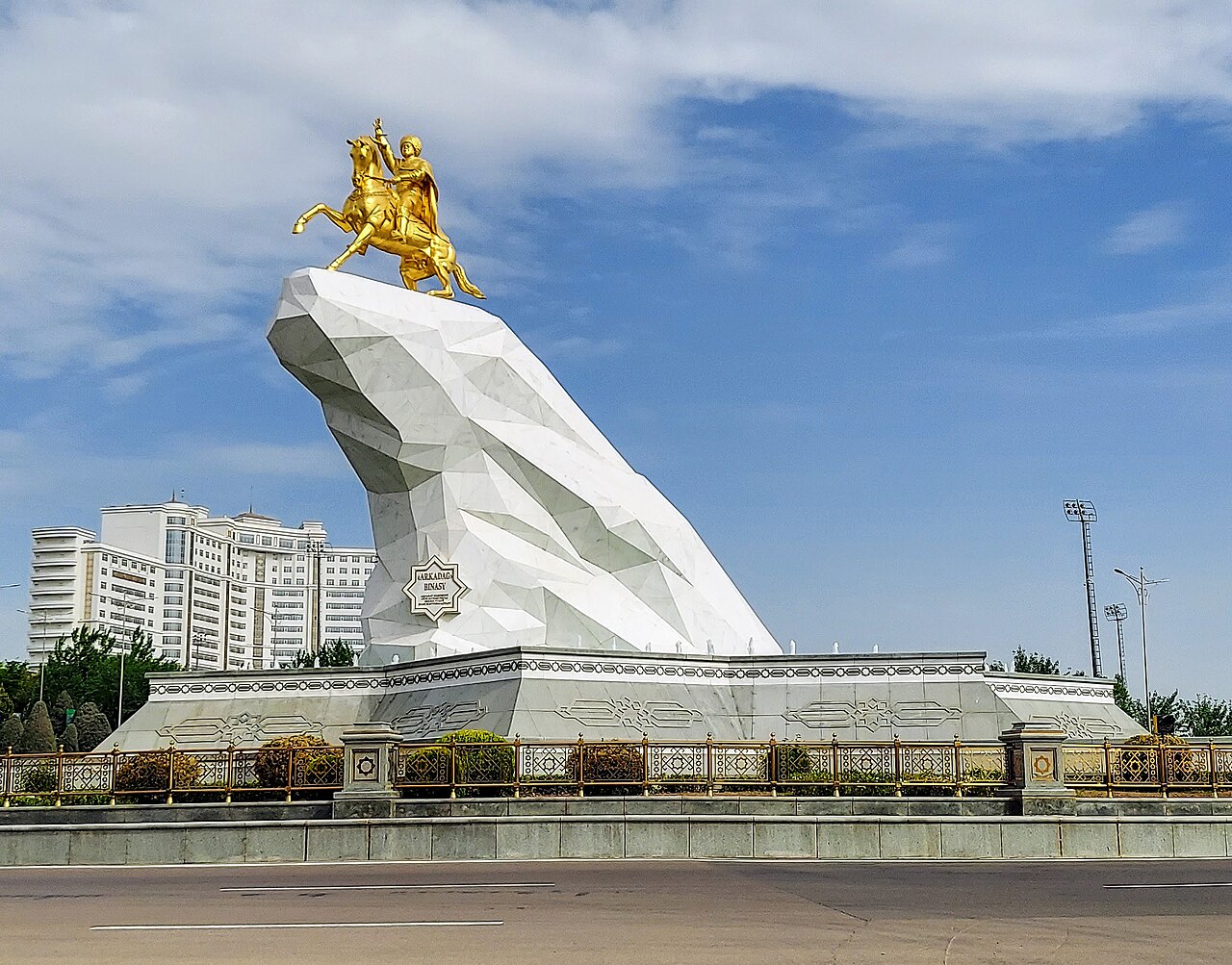
The capital city is a unique mix of marble buildings, golden statues, and grand monuments. Highlights include the Independence Monument, Neutrality Arch, Turkmenbashi Mosque, and the National Museum. Nighttime views are stunning, as many buildings are illuminated with colourful lights.
2. Darvaza Gas Crater
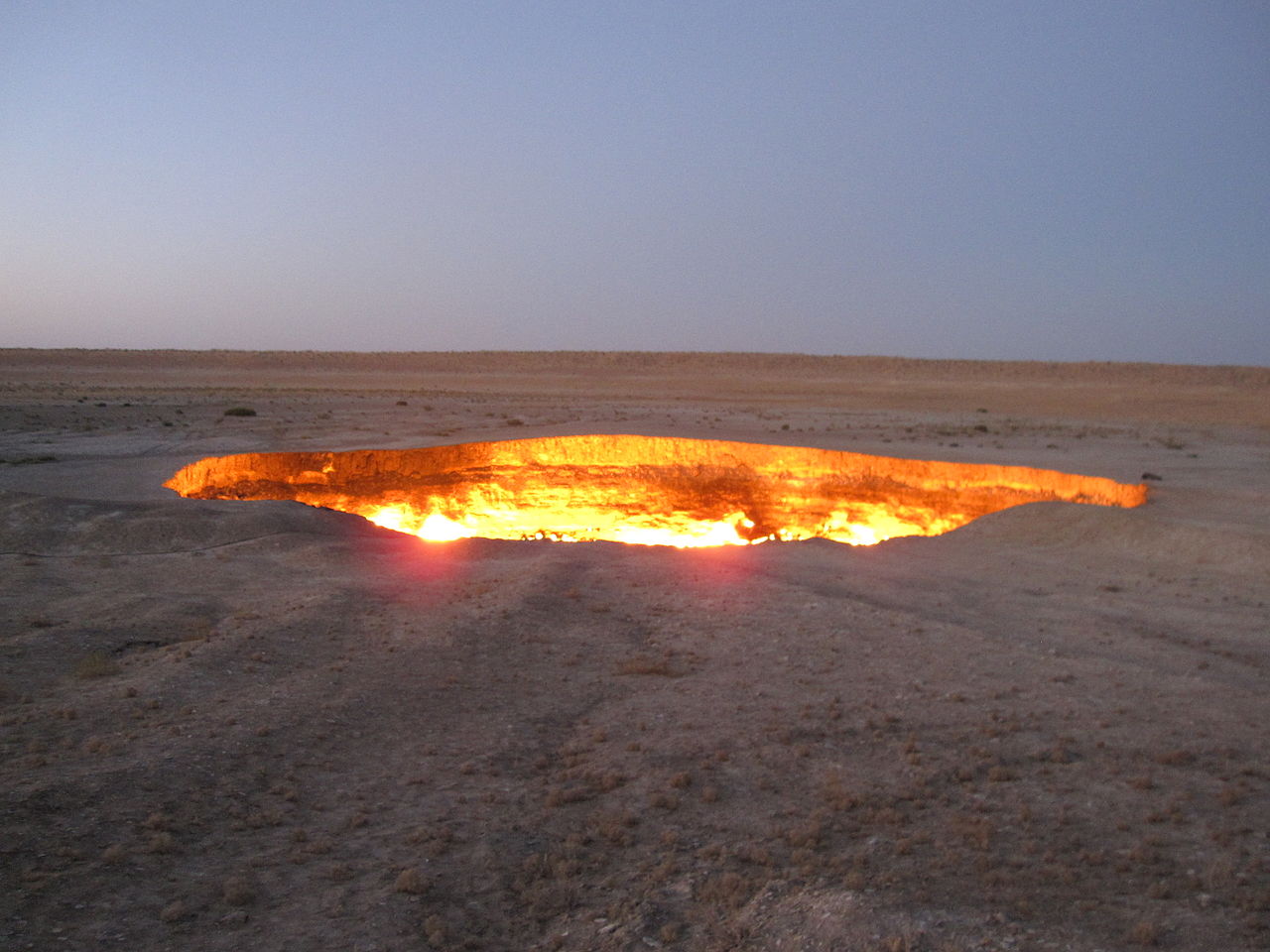
Perhaps Turkmenistan’s most famous attraction, this burning gas crater in the Karakum Desert has been on fire for over 50 years. Camping nearby is popular, and watching the flames at night is an unforgettable experience.
3. Merv
A UNESCO World Heritage Site, the ancient city of Merv was once a major Silk Road hub. Visitors can explore ancient fortresses, mausoleums, and crumbling city walls. It’s a paradise for history lovers.
4. Konye-Urgench
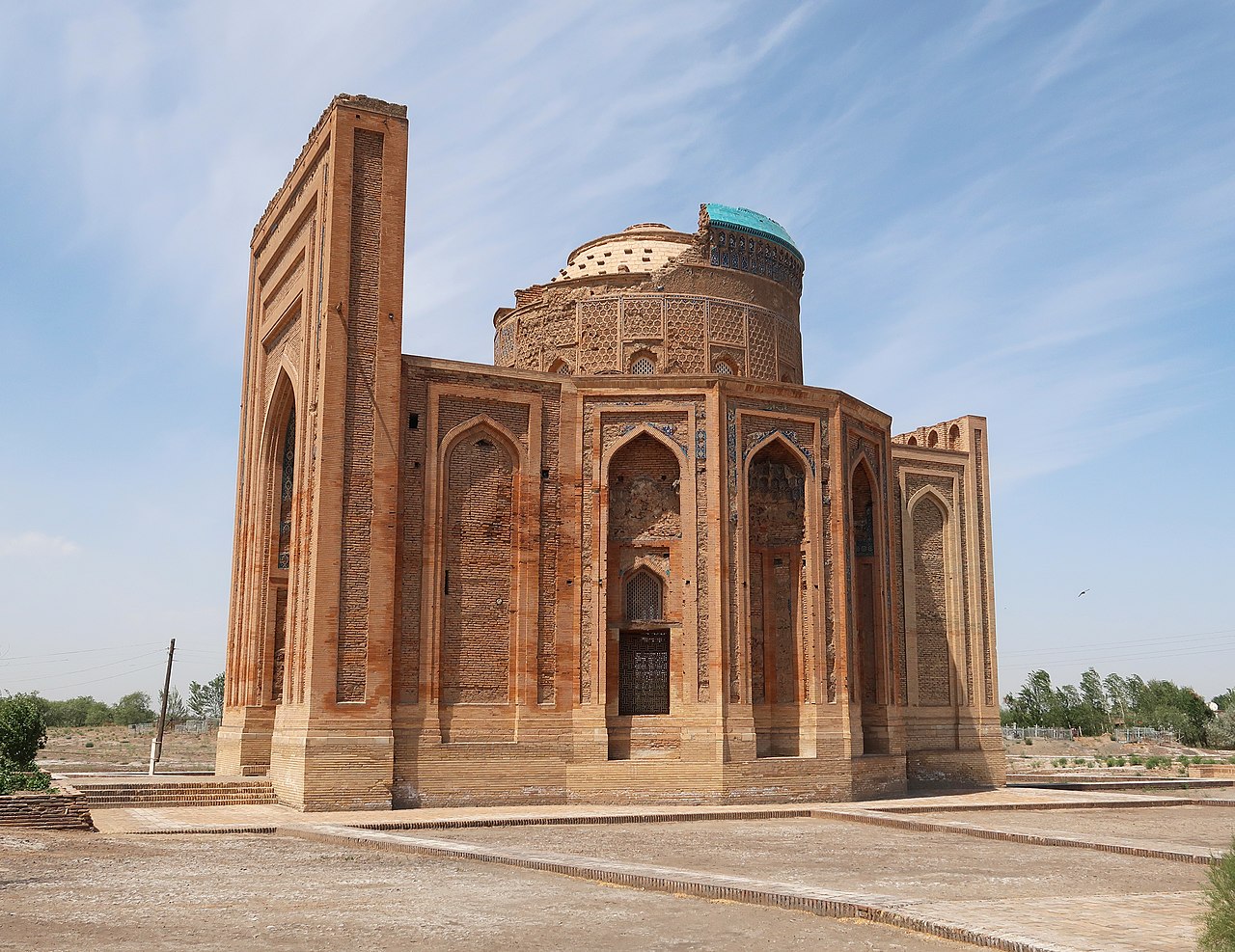
Another UNESCO site, Konye-Urgench features medieval Islamic architecture, including tall minarets and mausoleums. It is located in the northwest and offers insight into Turkmenistan’s religious history.
5. Yangykala Canyon
This colourful canyon is a geological wonder, with layers of red, pink, and yellow rock formations. It is relatively remote but growing in popularity among adventure travellers.
6. Avaza
Located on the Caspian Sea, Avaza is a modern resort town with beaches, hotels, and leisure facilities. It is still under development but offers a glimpse into Turkmenistan’s vision for coastal tourism.
7. Nisa
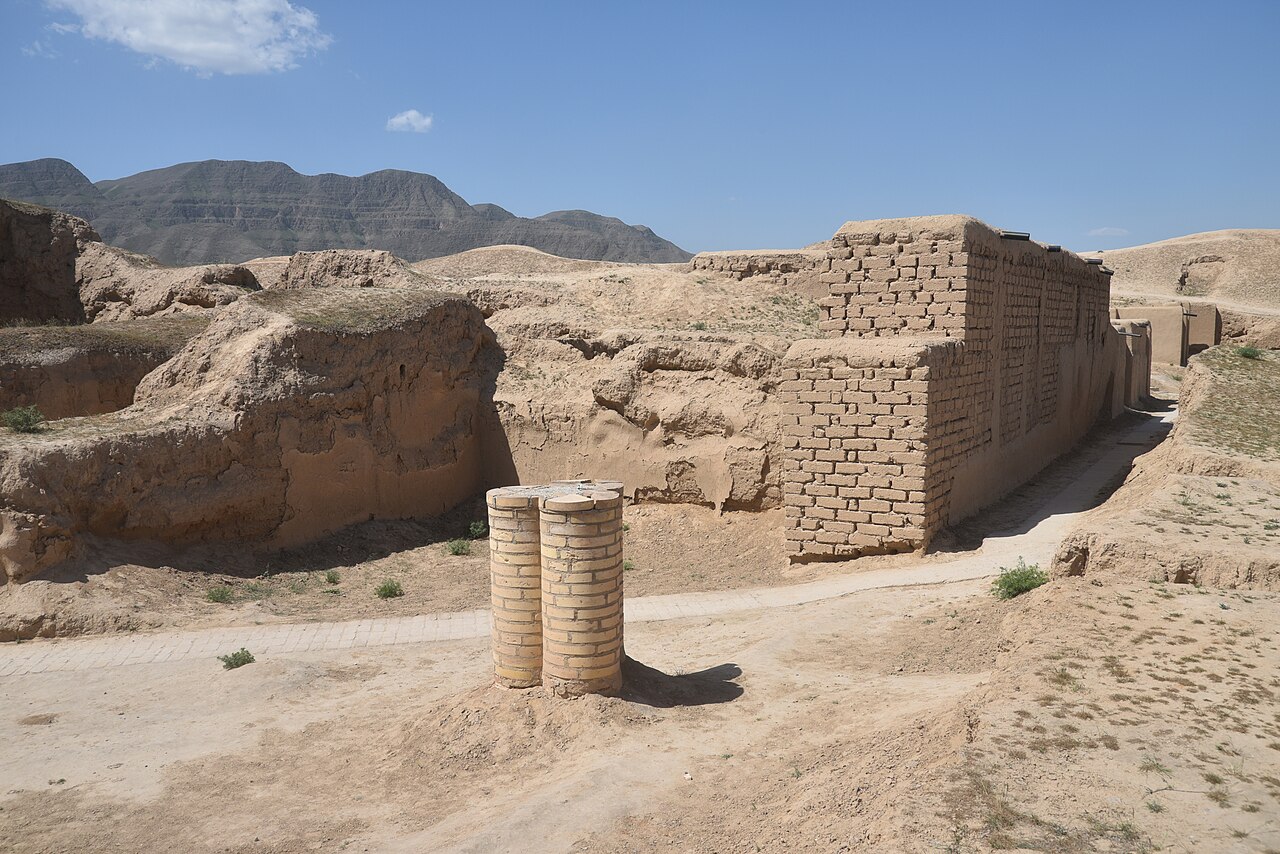
Just outside Ashgabat, the ancient city of Nisa was a center of the Parthian Empire. The ruins are another UNESCO site and are perfect for day-trips.
Food in Turkmenistan
Turkmen cuisine is hearty and influenced by Central Asian traditions. Some of the popular local dishes are:
Plov – a rice dish cooked with meat, carrots, and onions, Shashlik – skewered meat grilled over open flames, often served with bread, Manti – steamed dumplings filled with meat or pumpkin, Chorba – a rich meat soup often served with vegetables and herbs, and Chorek – a type of flatbread baked in clay ovens.
Tea is the most common drink, usually green or black. Alcohol is available but less common outside urban areas.
History and Culture
Turkmenistan has a long and diverse history, from ancient Silk Road settlements to its time under the Soviet Union. After gaining independence in 1991, it developed its own cultural identity, blending Islamic heritage with modern nationalism.
Visitors will notice the importance of traditional dress, especially during festivals. Carpet weaving is a proud local tradition—Turkmen carpets are considered some of the finest in the world. The Carpet Museum in Ashgabat is a must visit where you can learn more about this traditional craft.
Turkmen people are generally warm and hospitable, though English is not widely spoken. Learning a few local phrases or hiring a guide can be helpful.
Other Activities and Special Attractions
- Desert Tours – Explore the Karakum Desert by 4×4 rugged vehicles or on camels, visiting oases and remote villages.
- Hot Springs – Kow-Ata underground lake offers a natural thermal bath experience.
- Local Markets – The Tolkuchka Bazaar in Ashgabat is famous for carpets, spices, and souvenirs.
- Festivals – Turkmen Horse Day and Independence Day offer cultural performances and public celebrations.
Turkmenistan may not yet be a mainstream tourist destination, but that’s part of its appeal. As it slowly opens up to the world, travellers have a rare chance to explore a place that remains untouched by mass tourism. With careful planning, respect for local customs, and a sense of adventure, visiting Turkmenistan can be a truly unique and rewarding experience.
[Feature image by John Pavelka/Wikmedia Commons. All images from Wikimedia Commons]