
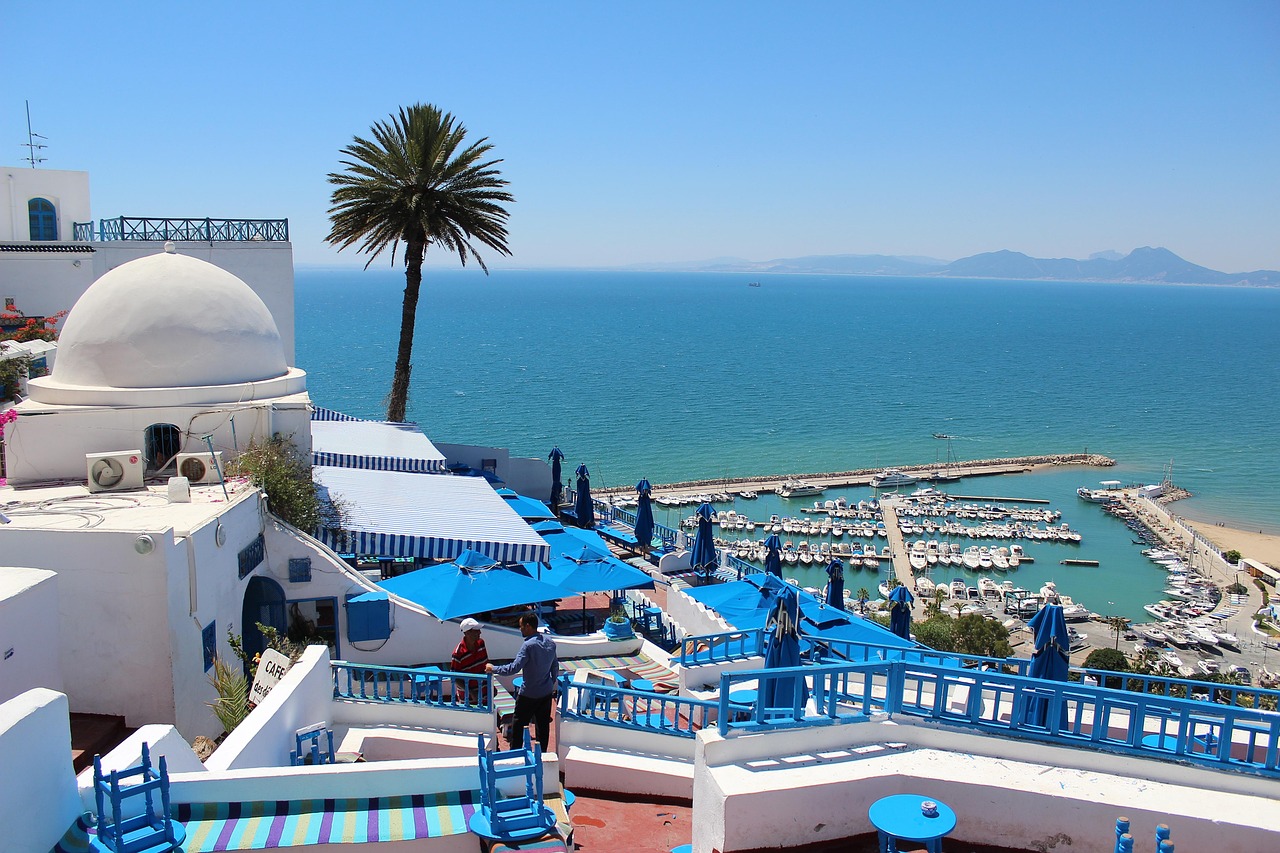
Tunisia, nestled on the North African coast, offers beautiful Mediterranean beaches, ancient historical sites, and vast desert landscapes. For years, it has attracted visitors from all over the world.
The country, however, has faced its share of complex situations in the recent past, with it going through a period of change, shaped by both internal developments and regional events. For anyone planning to visit Tunisia, understanding the current situation is important.
Current Situation for Travellers
For visitors to Tunisia, the primary concern remains the ongoing threat of terrorism and the state of emergency that has been in place since 2015. This means security forces across the country are on alert, especially in major cities and popular tourist areas. While this vigilance aims to keep everyone safe, you might notice a more visible security presence in public places, including hotels and transportation hubs.
Travel restrictions – What tourists are missing
While most major tourist attractions remain open, certain areas are currently off-limits or come with strong advisories due to ongoing security concerns. This means that some truly unique experiences and historical sites, which would typically draw adventurers and history enthusiasts, are currently beyond reach.
This situation significantly impacts a traveller’s itinerary, particularly for those who dream of deep exploration or venturing far off the usual tourist paths.
One major area of restriction involves remote mountainous regions in the western part of the country, particularly those close to the Algerian border. These include:
- Chaambi Mountains National Park: This vast natural park, known for its rugged beauty and unique ecosystems, is largely inaccessible. It’s a significant loss for those who enjoy challenging hikes, watching wildlife and raw adventures.
- Mount Sammama and Mount Selloum: Also located within the Kasserine Governorate, these mountains are part of the high-risk zones, preventing access to their natural beauty and hidden historical sites.
- Mount Mghila: Spanning parts of Kasserine and Sidi Bouzid governorates, this mountain is another area where security operations limit access, frustrating hikers and nature lovers.
- Mount Orbata: Situated in the Gafsa governorate, this region also carries “Do Not Travel” warnings, closing off further unique landscapes.
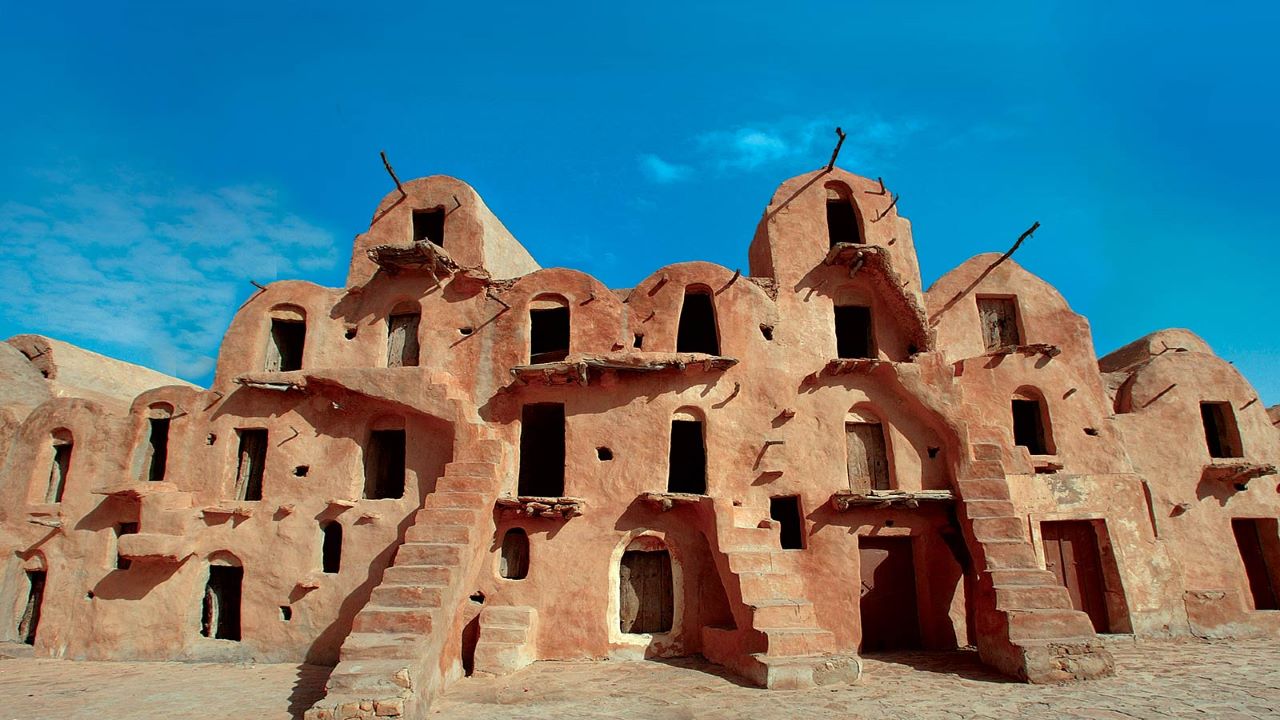
Beyond these specific peaks, broader areas in the western border regions near Algeria are affected. This includes:
- Parts of El Kef and Jendouba Governorates, especially within 20km of the Tunisia-Algeria border south of the town of Jendouba. This means travellers miss out on potentially less-explored rural landscapes and traditional villages near the frontier.
- General border zones within 10km of the Tunisia-Algeria border south of Kasserine Governorate, which are subject to ongoing security operations.
- Certain central-western mountain ranges in Kasserine and Kef Governorates, which are now designated military operations zones.
For tourists looking to explore the vast desert and borderlands in the south, near the Libyan frontier, several areas are currently restricted:
- The expansive desert south of the town of Remada in Tataouine Governorate is designated as a military zone. Gaining entry requires special authorization, which is rarely granted to tourists. This means travellers cannot experience the untouched vastness of the Saharan interior, limiting desert trips to more accessible — and beautiful — regions like those around Douz and Tozeur.
- The militarized zone south of the towns of El Borma and Dhehiba, key areas close to the Libyan border, are under high security alerts.
- A broad strip within 20km of the rest of the Tunisia-Libya border area north of Dhehiba is also considered unsafe for travel.
- The border town of Ben Guerdane and its immediate surrounding area is particularly prone to cross-border activity and is advised against.
- Even broader areas within 75km of the Tunisia-Libya border (with some exceptions like Zarzis and certain main roads in Medenine Governorate) are subject to “all but essential travel” advisories, including places like Remada and El Borma themselves.
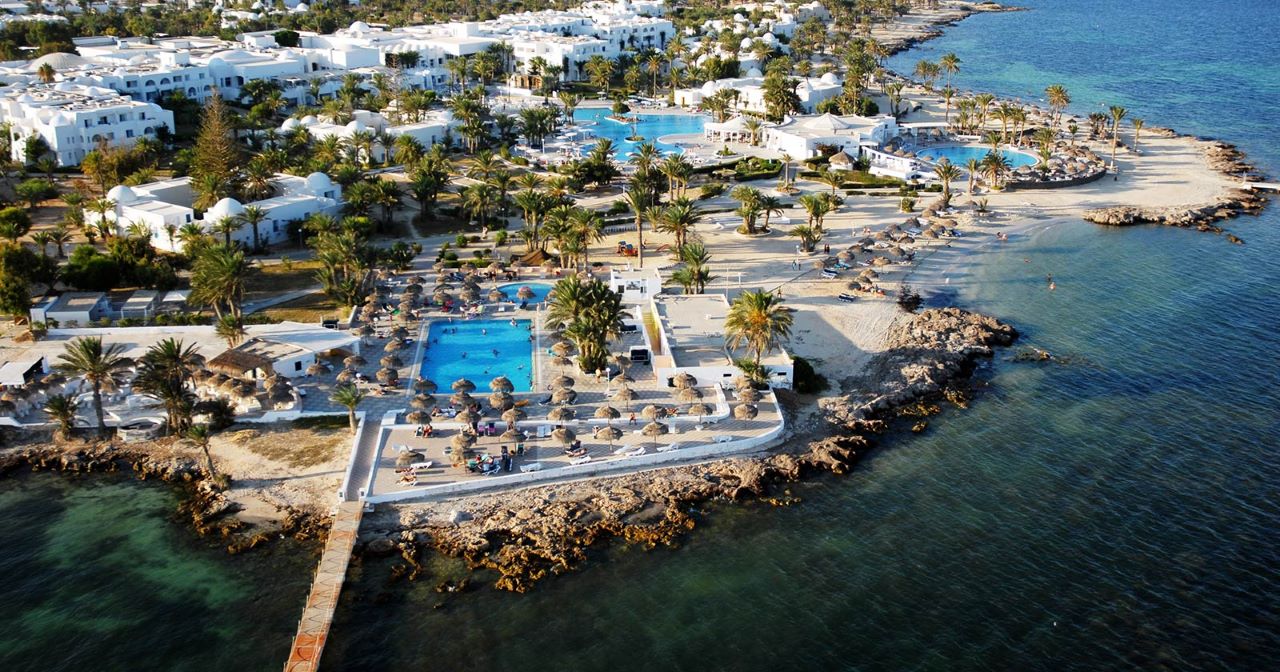
Because of these restrictions, tourists can no longer go on long, adventurous trips deep into the desert where they could once enjoy real solitude and meet nomadic tribes. Many remote areas, like border regions and far-off mountains, are now closed to visitors. These places used to offer rare chances to see old ruins, traditional crafts, and local cultures still untouched by tourism.
Not being able to visit these zones means travellers miss out on Tunisia’s less commercialized and more genuine cultural experiences. There are also hidden archaeological sites in these areas that are less documented or excavated. So, while Tunisia still offers lovely beaches, famous Roman ruins, and Sahara trips, the true offbeat landscapes and wild explorations are now limited.
Safety and Security
While the country actively works to enhance security in tourist areas, visitors should remain aware of potential risks:
- Terrorism: The threat of terrorist attacks remains. Such attacks could target any location where large groups of people gather, including hotels, resorts, markets, and cultural sites. It’s crucial to be vigilant, aware of your surroundings, and report any suspicious activity to local authorities immediately. Having an exit plan in mind if an unexpected situation arises is also a good practice.
- Petty Crime: Petty crimes like pickpocketing and bag snatching are common, especially in busy markets, on public buses and trains, and at tourist spots. It is essential to take simple safety precautions, such as not displaying expensive items, carrying only necessary belongings, and keeping your bags and personal items secure. There have also been a few cases where people’s drinks were spiked, so be careful and avoid taking drinks from strangers.
- Road Safety: Driving standards in Tunisia can be erratic. You might encounter poorly maintained vehicles, drivers who don’t consistently follow traffic laws, and pedestrians often walking on the roads. If you plan to drive, especially after dark, be very cautious and try to stick to main roads.
- Civil Unrest: Protests, strikes and demonstrations can happen in Tunisia with little or no warning, causing roadblocks and affecting transport, airports, and seaports. Tour operators usually have backup plans, but independent travellers should stay flexible and follow local news. For safety, it’s best to avoid all protests, large gatherings, and public events, especially on Fridays or during national events.
- Cultural and Behavioural Considerations: Apart from official advisories, Tunisia’s conservative laws and cultural habits also affect how tourists should behave. Tourist spots are more relaxed, but it’s important to dress modestly and act politely, especially at religious places or in local neighbourhoods. Same-sex relationships and unmarried couples living together are against the law, and taking photos near military or government buildings is not allowed. Travellers should keep these rules in mind during their visit.
Entry Requirements
Tunisia remains highly accessible and welcoming to international visitors.
- Passport: Since Jan. 1, 2025, valid passports are mandatory for all foreign visitors. This is a significant change, as previously some European citizens could enter using just a national identity card, especially on organized tours.
- Visa: For many nationalities, including citizens of the UK, EU countries, the US, and Canada, can enter and stay visa-free for up to 90 days. However, it’s always advisable to check the specific requirements for your nationality with the Tunisian embassy or consulate in your country before travel, as visa policies can change.
- On-arrival checks: You may be asked to show hotel bookings, return tickets, and contact information at immigration. Visitors of South Asian heritage may face additional questioning.
- Currency: There are strict regulations concerning currency. Importing Tunisian currency (the Dinar) is prohibited. You must declare cash (foreign or Tunisian) if it exceeds legal limits upon arrival.
- Drone restrictions: Bringing drones into Tunisia is prohibited unless prior authorization is obtained.
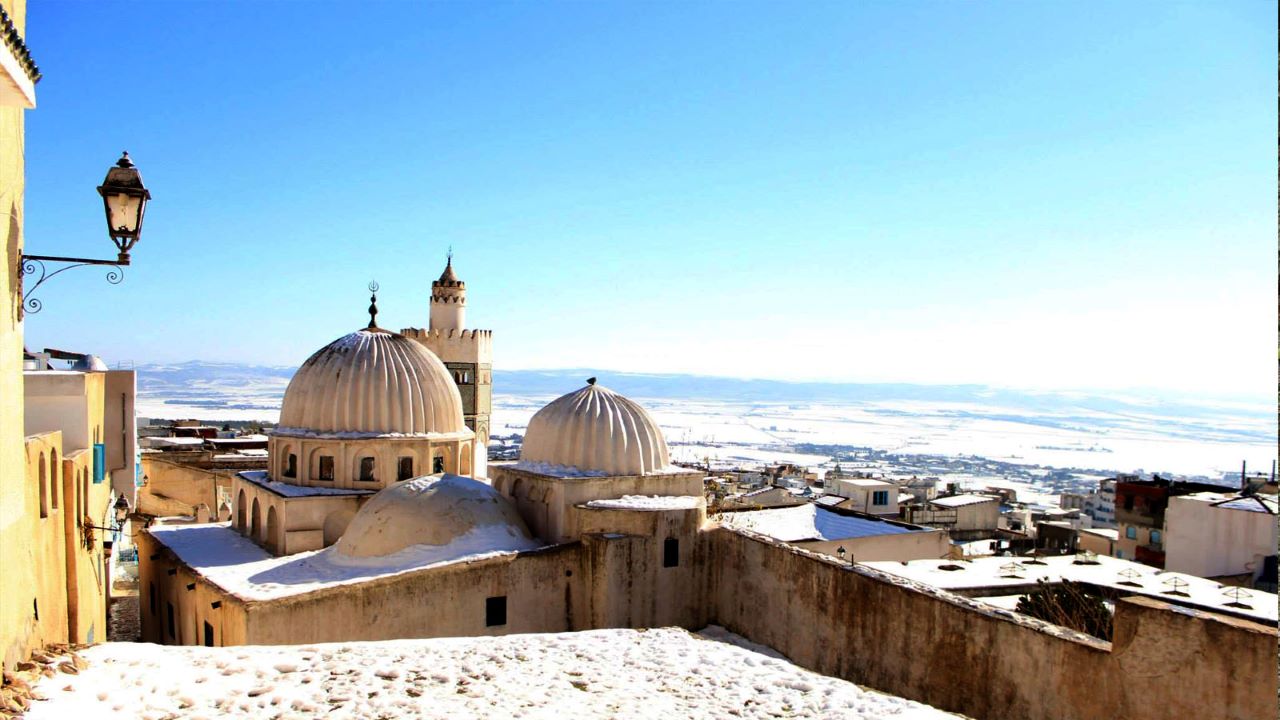
Recovery and Future of Tourism
Amid all the negatives, Tunisia’s tourism industry is gradually showing strong signs of recovery in 2025, with more visitors arriving, staying longer, and spending more.
The government is actively building on this momentum with a 2025-2030 plan to promote Tunisia as a top destination. This includes new tax benefits for tourism businesses, support for modernizing services, better governance, and an upcoming e-Visa system to simplify entry for tourists and business travellers.
Though the North African nation still faces challenges like tough competition and infrastructure gaps, it is working to expand beyond traditional beach resorts. Plans to develop ecotourism and promote inland regions aim to attract visitors to its natural beauty and cultural heritage.
Tunisia remains a captivating destination with immense potential. By staying informed, exercising appropriate caution, and respecting local customs, travellers can still have memorable experiences.
As the country moves forward with fresh energy and optimism, visitors can be part of its inspiring journey of revival and discovery.


August 12, 2025
[…] for its vast deserts, futuristic cityscapes, ancient Silk Road heritage, and the striking Darvaza Gas Crater (often […]