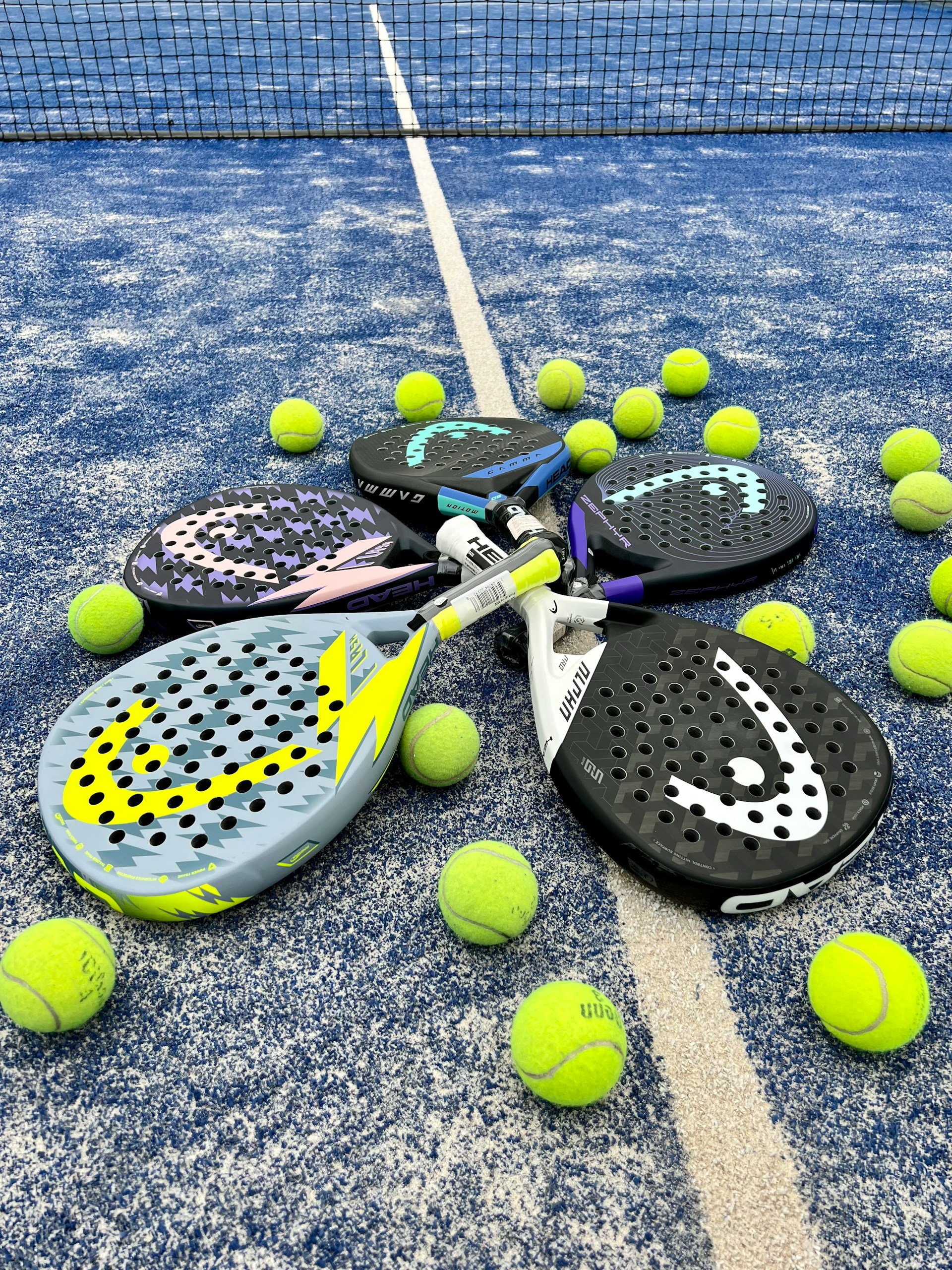
Not long ago, pickleball and padel were sports you mostly heard about in very specific circles — retirees in Florida, tennis clubs in Spain, or the occasional viral reel from Dubai. But that’s changing fast. These two racket sports are no longer just recreational trends; they’re shaping how people travel, where they stay, and even how resorts and cities design their leisure offerings.
Across South Asia and its neighbouring travel hubs, pickleball and padel are becoming part of sports-led and lifestyle-driven tourism — where travellers can actively participate in something they love while on the road.
From niche sports to travel motivators
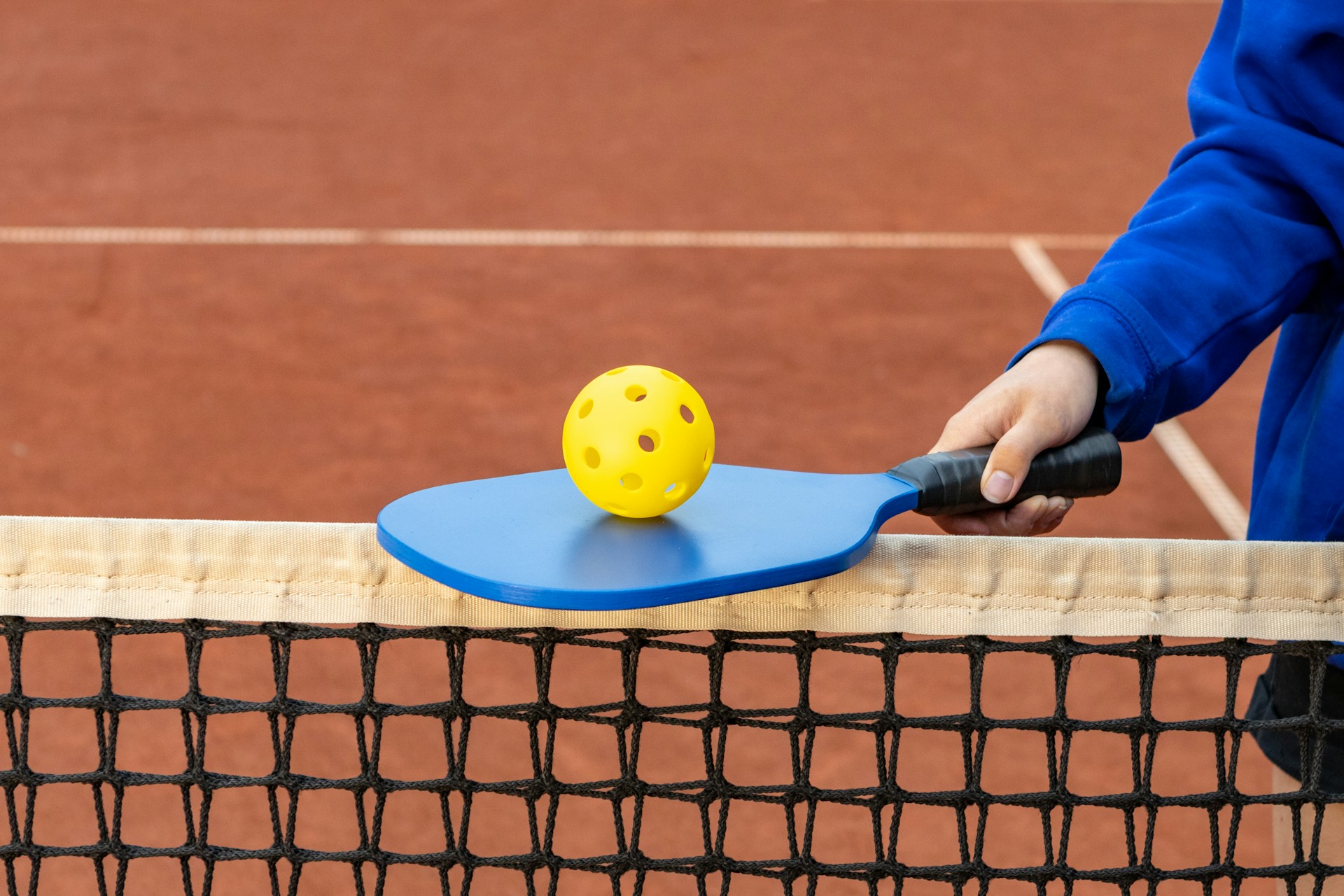
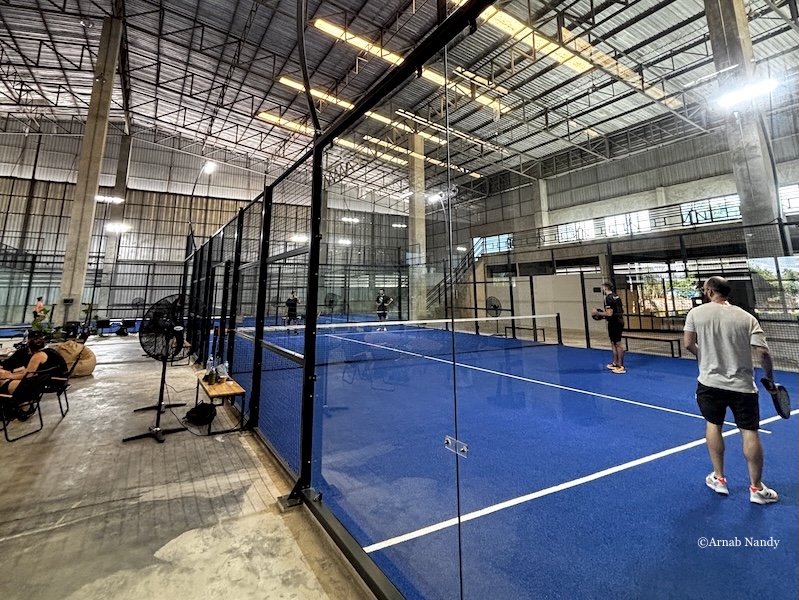
Pickleball and padel share one important trait: they are easy to pick up but addictive to play. Pickleball, with its smaller court, lightweight paddle, and slower ball, attracts beginners, families, and older travellers. Padel, played on an enclosed court with glass walls, appeals to urban professionals and tennis players looking for a social, fast-paced alternative.
As participation grows globally, these sports are increasingly intersecting with sports tourism —that includes everything from marathon travel and golf holidays to tennis camps and surf retreats.
How pickleball became travel-friendly
Pickleball’s rise as a travel sport is no accident. It is compact, social, and requires minimal infrastructure compared to tennis or golf. Resorts, cruise lines, and tour operators globally have picked up on this, offering pickleball-focused retreats, themed cruises, and destination tournaments that mix play with sightseeing and local culture.
Even though dedicated pickleball travel experiences are only just beginning to take shape across South Asia, it is gradually making its way into the region’s leisure spaces. It can now be found in a mix of urban clubs, schools, resorts, and wellness-focused settings across India, Sri Lanka, the Maldives, Nepal, Bangladesh, and Pakistan, usually as a casual, add-on activity rather than the main reason for travel.
Local tournaments and league-style events are beginning to draw players from outside their home cities, creating short, sport-driven trips around long weekends. Events like regional opens and exhibition leagues — including the World Pickleball League — are turning competitive play into travel occasions, with players booking hotels, extending stays, and exploring host cities.
Padel’s natural fit with resorts and urban travel
If pickleball thrives on accessibility, padel thrives on its lifestyle appeal. Padel has grown hand-in-hand with travel, hospitality, and real estate — especially in Europe and the Middle East. That same pattern is now visible across South Asia.
Luxury resorts and high-end urban clubs are increasingly adding padel courts as part of their recreational mix, positioning the sport alongside spas, beach clubs, and wellness programmes. Travel and leisure providers are leveraging padel’s popularity among international travellers who want an active but social holiday experience.
In Asia, destinations such as Bangkok, Phuket, Bali, and Singapore have emerged as padel-friendly stops, with clubs that actively welcome visiting players, offer coaching, and host amateur tournaments.
Lifestyle travel is driving shift
Lifestyle travel is all about how people choose destinations today. Travel analysts consistently point out that lifestyle and activity-based decisions now shape where travellers go, how long they stay, and how often they return.
Pickleball and padel are gaining popularity as they are:
- Social, making them ideal for group travel and community-led trips
- Non-intimidating, encouraging participation rather than spectating
- Repeatable, giving travellers a reason to return to the same destination
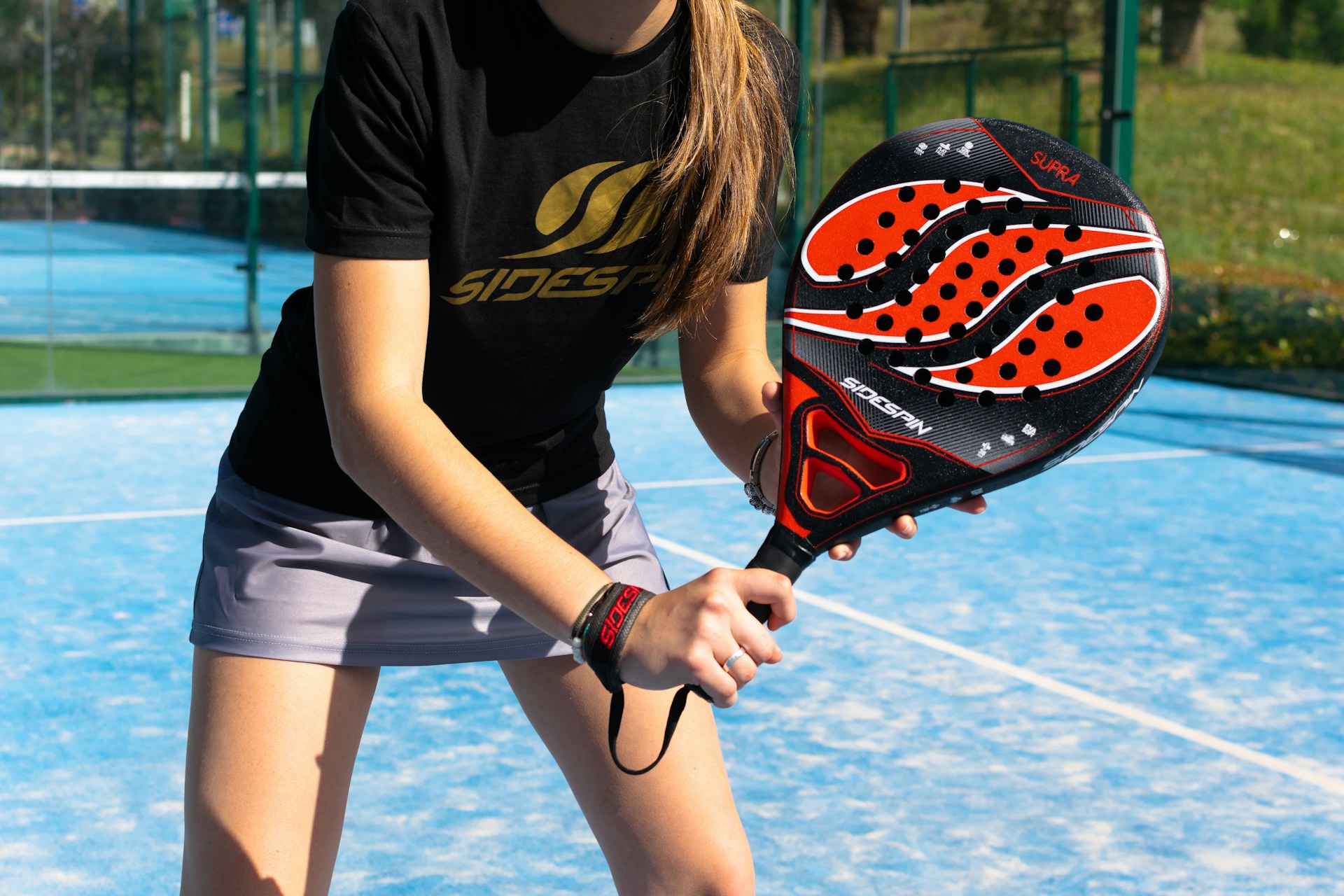
Unlike traditional sports tourism — which often requires massive stadiums or international events — racket sports scale easily. A handful of courts, good coaching, and smart programming can turn a hotel, resort, or city district into an ideal spot for pickleball and padel play.
Where this is heading in South Asia
It’s still a very early phase of pickleball and padel tourism in South Asia. However, further developments are already on the cards:
- Resort-led pickleball and padel retreats tied to wellness and slow travel
- Regional tournaments marketed as travel experiences, not just competitions
- Cross-border sports travel, especially within South and Southeast Asia
- Real estate and hospitality investments using racket sports as lifestyle anchors
Much like yoga or surf travel in their early days, pickleball and padel are likely to find their place in tourism gradually. The signs however, are already visible — the kinds of courts being added, the way events are organised, and the way travellers now talk about fitting a game into their trips.
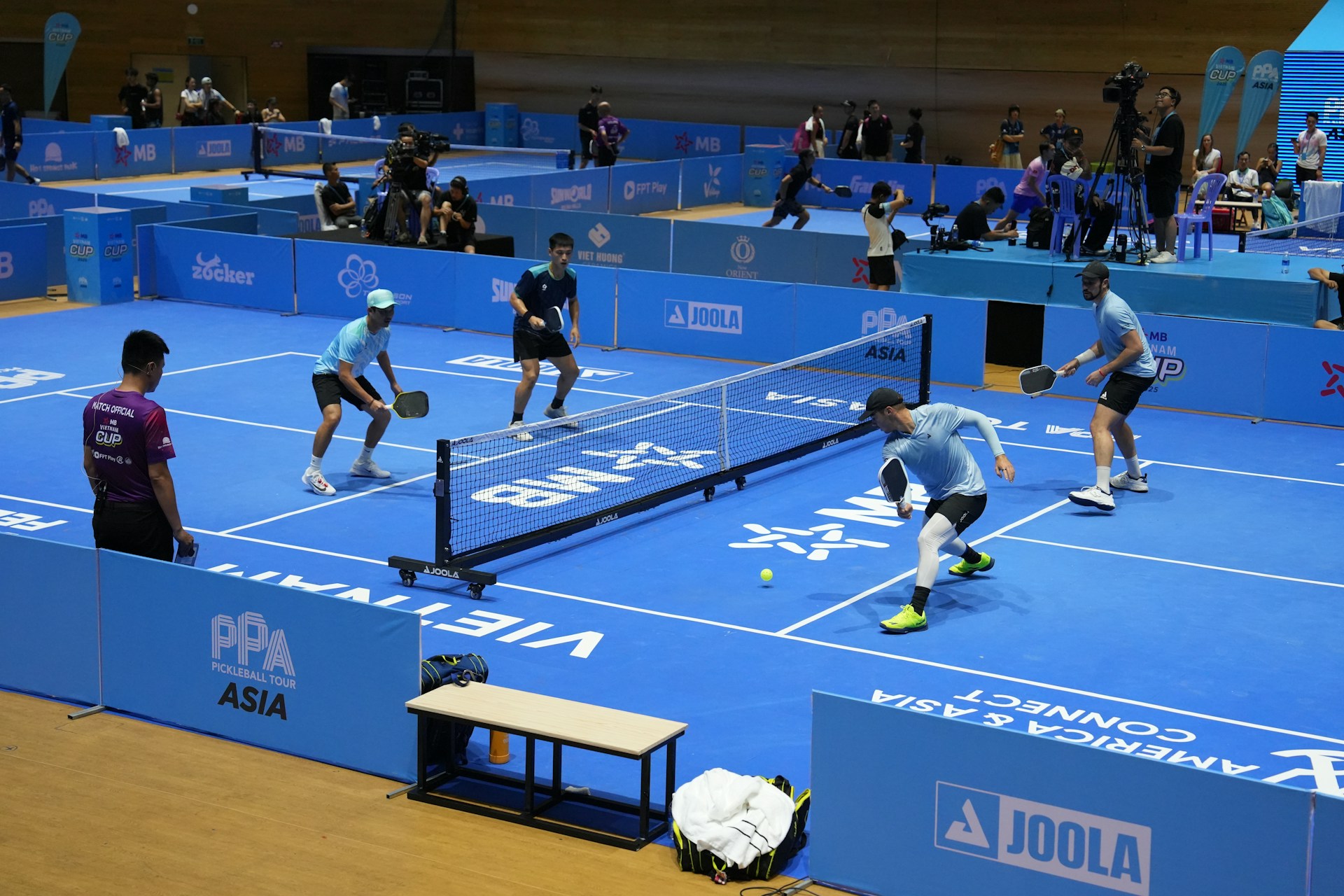
Travel behaviour shift
Pickleball and padel aren’t replacing beaches, heritage sites, or food tourism — they are layering onto them. A trip now might include morning pickleball, afternoon sightseeing, and evening street food. For many travellers, that combination is far more appealing than traditional passive travel.
As more people take up these sports and travel experiences quietly evolve around them, pickleball and padel may no longer feel like niche ideas at all. They simply become part of how trips are imagined — where a place is chosen not only for what there is to see, but that lets them play, connect, and feel at ease.