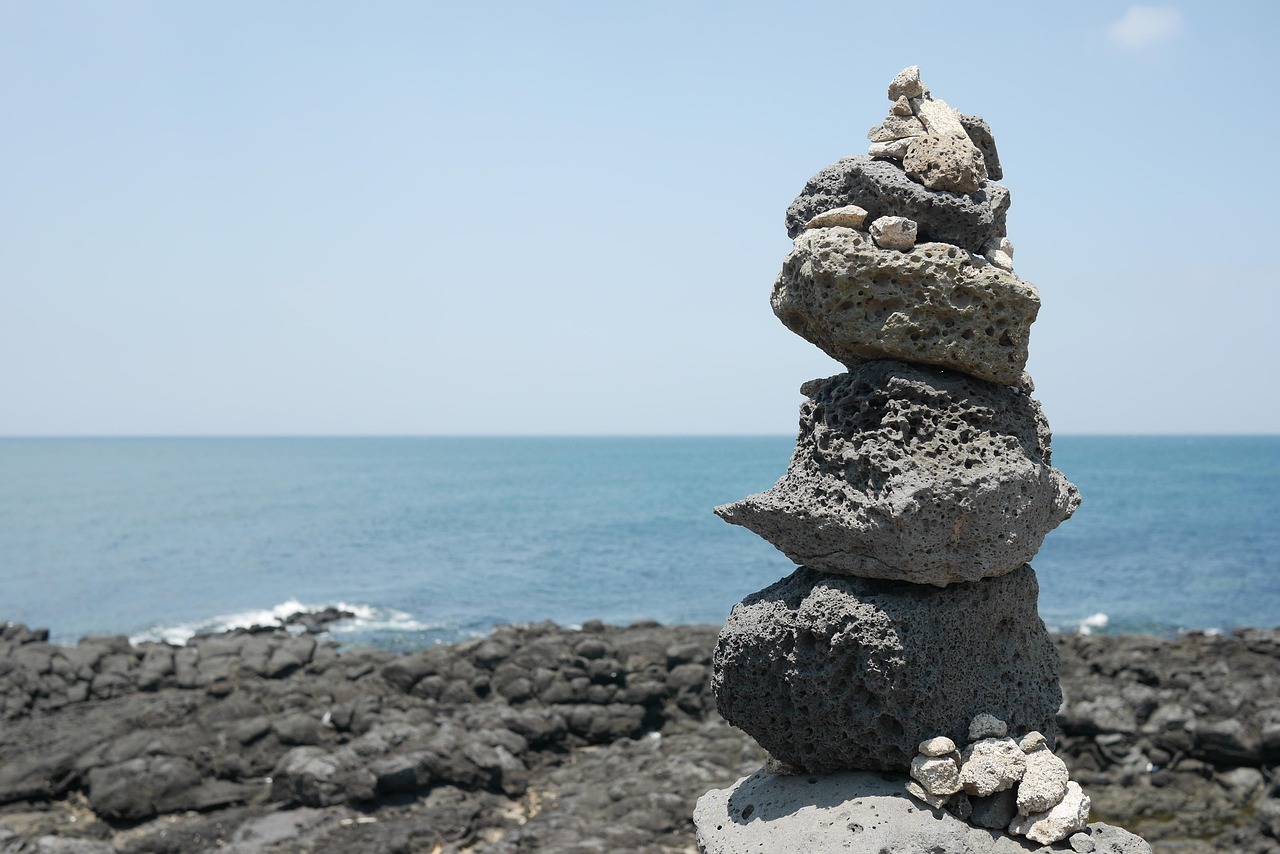
Jeju Island has a special place in South Korea’s travel map. Its volcanic landscapes, waterfalls, and coastal trails give it a character that feels different from the mainland, while the island’s slower rhythm of life makes it a natural escape from the cities.
For decades, it has been a honeymoon favourite for Koreans, and in recent years it has become just as popular with international travellers looking for a quick island escape — earning it the nickname, “Hawaii of South Korea.”
But Jeju’s popularity has come at a cost. With millions of visitors each year — far more than the island’s own population — overtourism has begun to strain its environment and communities. From piles of plastic waste left on hiking trails to cars clogging narrow coastal roads, and noise in quiet villages, local authorities say the pressure has reached a point where clear rules were needed.
The island authorities have recently introduced a set of guidelines for tourists, spelling out how to enjoy the island responsibly.
So, if you are planning a trip, don’t be surprised to see signs and reminders everywhere.
Smoking is now banned on most beaches, and lighting a cigarette in restricted areas could result in a fine.
Visitors are also expected to dress modestly when walking through traditional villages — swimwear is fine on the sand, but not when you are wandering into local streets and cafes.
Noise at night is another sore point. Jeju is home to many farming and fishing families who value their rest, so loud parties and late-night disturbances are no longer being tolerated. Even drones, once popular for capturing Jeju’s iconic cliffs and waterfalls, are restricted in certain zones because of safety and privacy concerns.
The government hasn’t stopped at warnings. Officials have made it clear that repeated violations could result in serious penalties, including a ban on re-entering the island. The message is simple: visitors are welcome, but respect for the land and its people is non-negotiable.
What still draws travellers to Jeju
Of course, none of these rules mean that Jeju is any less appealing. If anything, they are a reminder that the island’s natural beauty is precious — and worth protecting. And once you set foot here, you’ll see why millions keep coming back despite the stricter guidelines.
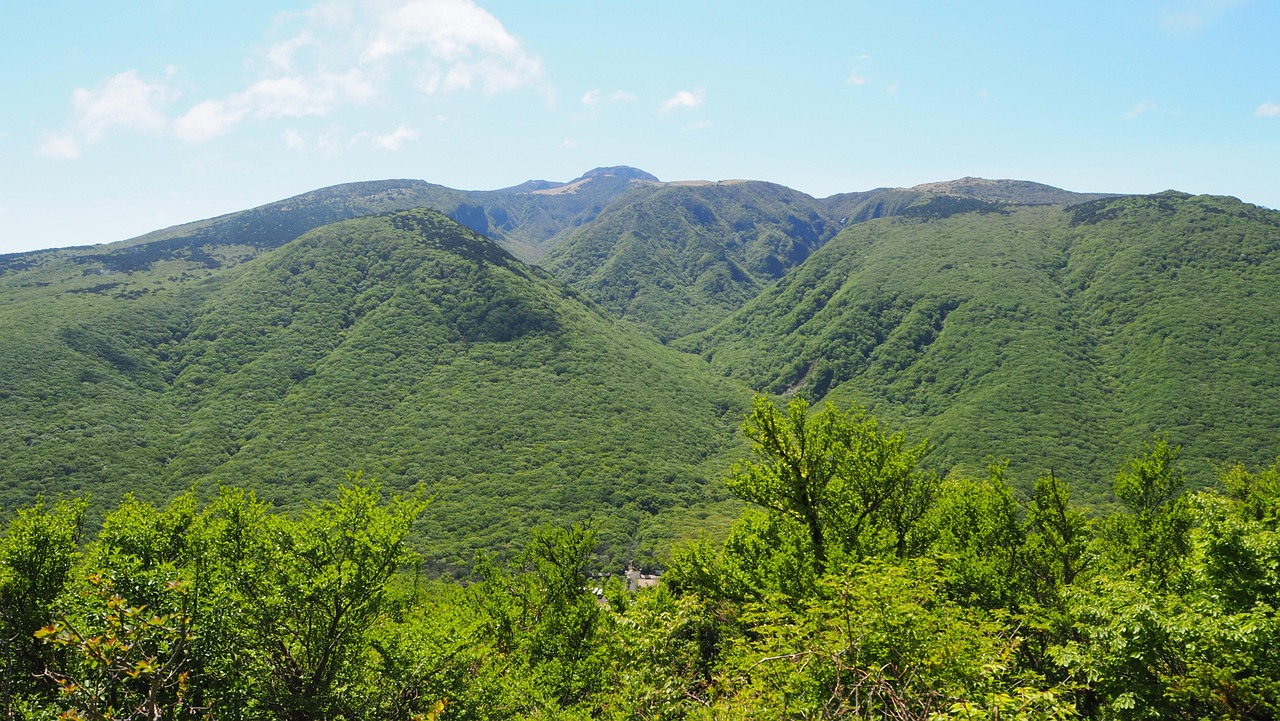
At the heart of Jeju’s landscape is Hallasan, South Korea’s highest mountain and a dormant volcano that dominates the island’s center. Hiking up its trails is one of the most popular activities, but overtourism has made the park crowded at times.
To ease the strain, authorities now encourage visitors to use alternative routes or explore lesser-known trails. If you are fit enough for the full summit hike, the reward is panoramic views of craters, forests, and the ocean. But even shorter trails like the Eorimok or Yeongsil offer a good taste of the mountain without the crowds.
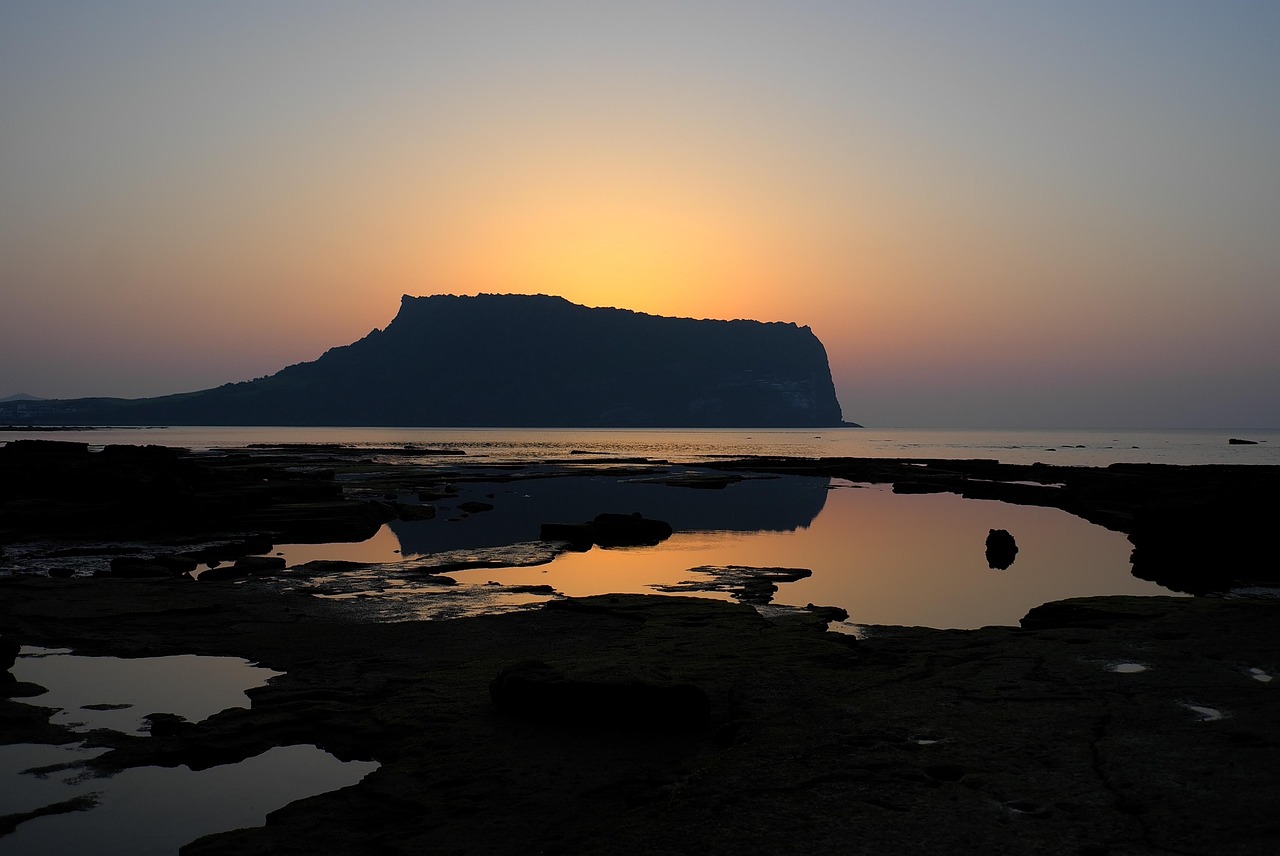
Jeju is also known for its beautiful coastline. The Seongsan Ilchulbong Peak, or “Sunrise Peak,” is another volcanic crater that attracts early risers who want to watch the sun climb out of the Pacific. It’s one of those spots where overtourism has become obvious—queues to climb the short trail can stretch long in peak season—but the experience of seeing the fiery sunrise over the sea is unforgettable.
Beyond hikes, the island also offers plenty of water-based activities. Popular beaches like Hyeopjae and Hamdeok are perfect for swimming and sunbathing, while Jungmun Beach is known for surfing and has small shops renting boards for beginners.
Snorkeling is possible in calmer waters, especially around Udo Island, where the sea is clearer and shallower. Kayaking, scuba diving, and even yacht tours are available for those who want to enjoy Jeju from the water.
For families, glass-bottom boat rides and submarine tours let you see marine life without even getting wet.
Beyond the tourist hotspots
One way to travel responsibly in Jeju is to look beyond the most famous sites. The island is dotted with hidden gems that don’t always make it into package tours.
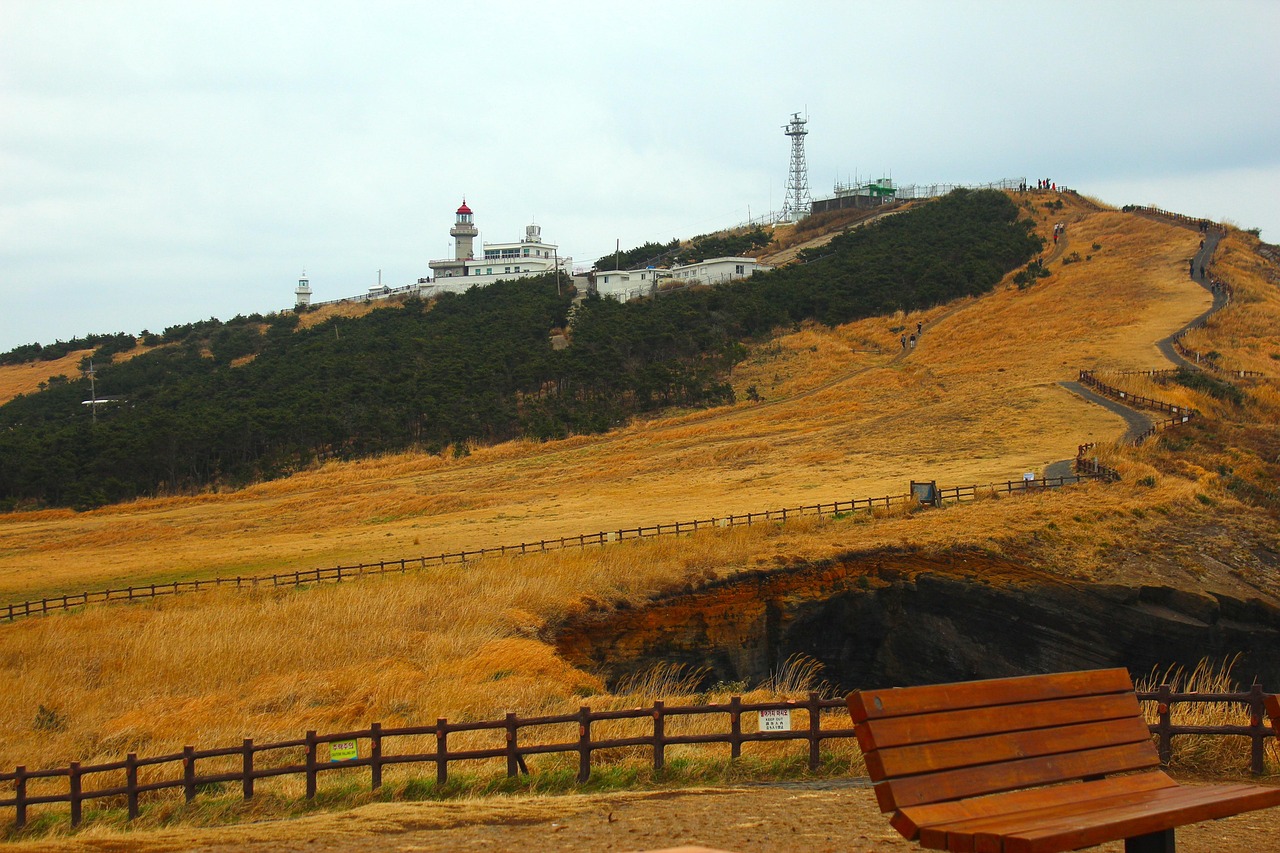
Take the Olle Trails, for example. These walking routes trace the coastline and countryside in a network of 27 paths. Some stretch over farmland, others hug cliffs, and a few cut through tiny fishing villages where you can see traditional Jeju houses with black lava stone walls. Walking one of these trails is slower than rushing from attraction to attraction, but it’s also far gentler on the environment—and it gives you space to breathe away from the crowds.
Another off-beat experience is visiting the Haenyeo, Jeju’s legendary women divers. For centuries, these women have dived without oxygen tanks to harvest seafood like abalone, seaweed, and sea urchins. Today, many are in their 60s and 70s, yet still carry on the tradition. You can watch their performances in small coastal villages, or better yet, try a simple meal at one of their seaside shacks, where the catch of the day is served raw and fresh. It is one of the most authentic food experiences Jeju offers.
For those interested in culture, the Jeju Stone Park is worth a detour. It’s not as crowded as the natural landmarks but tells the story of the island’s volcanic origins through stone sculptures, myths, and traditional folklore.
Jeju also has several lava tube caves, such as Manjanggul Cave, one of the longest lava tunnels in the world. Walking inside its dark, cool chambers is like stepping into a natural underground cathedral. It’s less publicized than Hallasan but equally shows the island’s volcanic roots.
If you are looking for something lighter, the island has quirky attractions too: the Jeju Love Land sculpture park, full of cheeky art pieces, or the Camellia Hill Garden, where endless rows of flowers bloom almost year-round. These smaller spots may not be on every tourist’s checklist but add depth to the Jeju experience.
Food: A taste of the island
No trip to Jeju is complete without tasting its unique local food.
Seafood, naturally, is a major highlight. Try dishes like hairtail (cutlassfish) soup, raw mackerel sashimi, and okra seaweed soup, which are all Jeju favourites. In coastal markets, you will find stalls offering freshly grilled abalone and sea urchin, locally harvested by the Haenyeo. Sea urchin rice bowls, or sea cucumber served raw are other specialties.
For meat lovers, the famous Jeju black pork, a local breed of pig with tender, flavourful meat grilled over charcoal, is a must-try. Dombe gogi is another unique specialty — boiled pork belly slices served on wooden boards and eaten with a mix of kimchi and seasoning, reflecting a local dining tradition.
If you are exploring the countryside, you will notice endless stretches of citrus groves. Jeju’s tangerines and hallabong oranges are sold everywhere — from roadside stands to airport shops — and they make a refreshing snack as you hike or walk the trails.
And then there’s something unexpected: peanut ice cream from the smaller Udo Island, just a short ferry ride away. It has beaches quieter than Jeju’s main shores, and tasting the local peanut-flavoured treats is part of the charm.
For a sweet finish, Jeju also has hallabong-flavoured chocolates, citrus teas, and even rice cakes infused with tangerine juice.
The island’s mix of ocean harvests and volcanic farmland gives its food a character that is proudly different from mainland Korea.
Striking a balance
The story of Jeju right now is about balance. On one hand, the island remains one of the most beautiful getaways in Asia, and on the other, the sheer number of visitors has made it necessary to slow down and rethink how we travel.
For tourists, that means embracing the new rules not as restrictions, but as part of the experience. Walk instead of drive when you can, try the quieter trails instead of crowding the busiest peaks, eat local food in family-run restaurants instead of only sticking to big-name spots, and be mindful of noise, waste, and space.
If you do, Jeju opens up in surprising ways. You are no longer just one of the millions rushing through its checklist of attractions — you are part of the effort to keep the island beautiful for the next generation of travellers.