
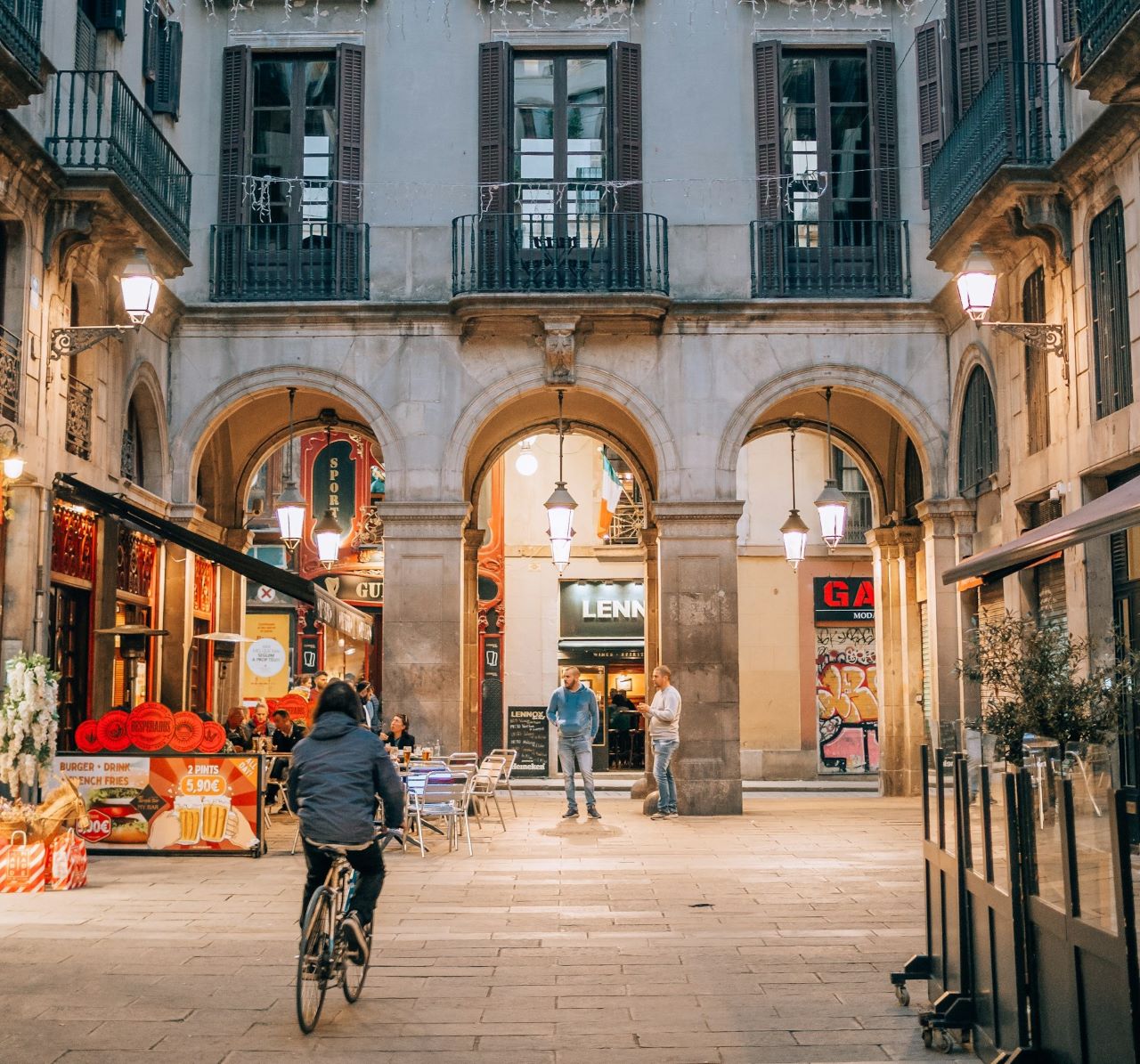
From the moment we open a book, a secret journey begins: words on a page spark images in our mind, and before we know it, we’re longing to walk through the world we have imagined. Whether it’s the windswept fields of an orphan’s childhood, the mysterious alleys of a Gothic city, or the very objects cherished by lovers in a story, literature has an uncanny power to turn distant places into travel desires.
In this feature, we will explore four such destinations where books didn’t just describe a place — they inspired people to go there, connect with it, and experience parts of the world through the lens of story and imagination.
Green Gables & Prince Edward Island, Canada — Anne of Green Gables by Lucy Maud Montgomery
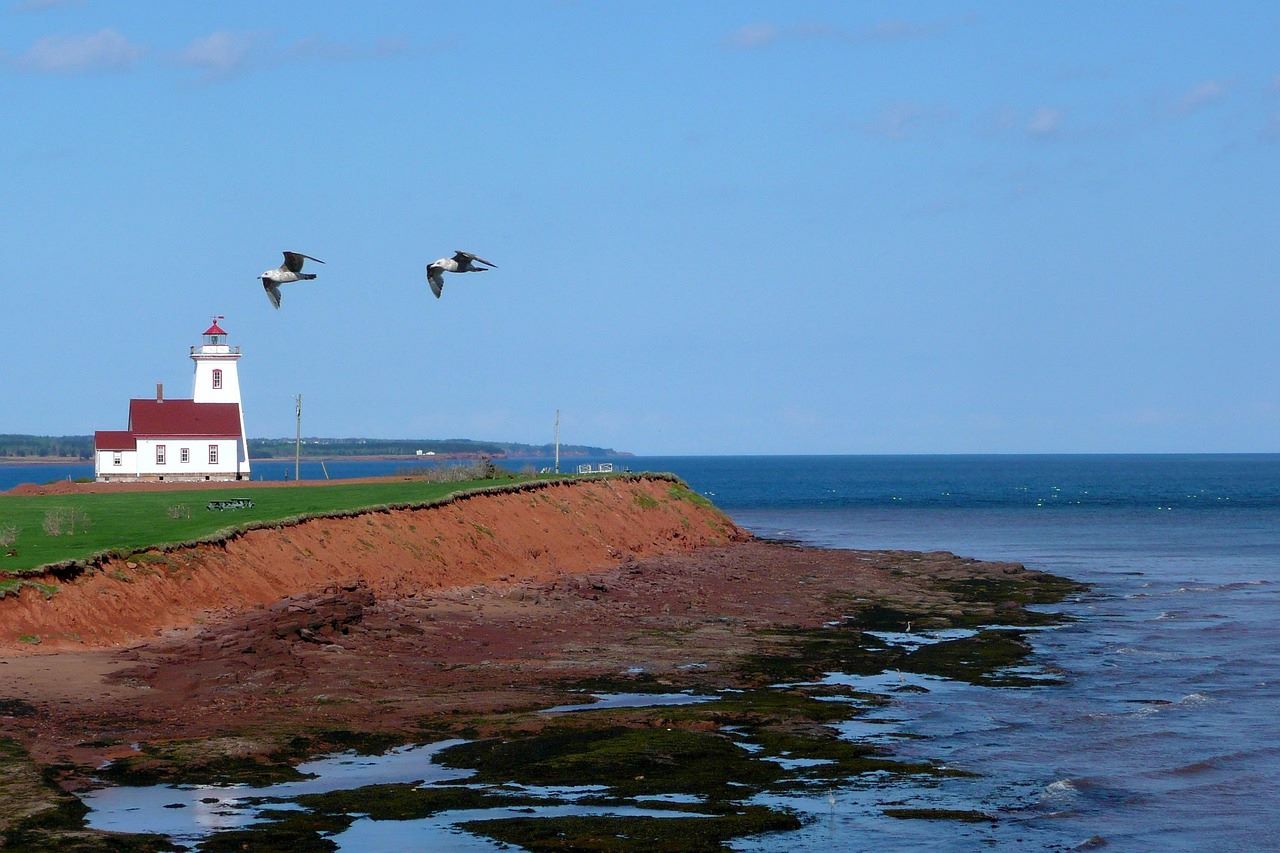
If there is a place on earth that feels much like stepping into the pages of a book, Prince Edward Island in Canada undoubtedly hits the mark. It was here, among rolling fields, bright red roads, and windswept shores, that author Lucy Maud Montgomery found her lifelong inspiration for Anne of Green Gables — a story about Anne Shirley, an imaginative and spirited orphan who arrives at Green Gables farm to live with the Cuthbert siblings.
The novel, first published in 1908 and now translated into dozens of languages, sold millions of copies worldwide and introduced readers to the charm of rural Atlantic Canada. Millions have read Anne’s quests, her mistakes, her joys, and her vivid descriptions of Prince Edward Island’s landscapes, and for many fans, the book became more than a childhood classic — it became a reason to visit.

Today, Green Gables Heritage Place, managed by Parks Canada, stands proudly in Cavendish with its restored farmhouse, gardens, and interpretive exhibits that bring Montgomery’s descriptions to life. Visitors can walk the very trails mentioned in the book — Lover’s Lane, Haunted Wood, and Lake of Shining Waters — while costumed characters bridge the story with reality.
Nearby, Avonlea Village recreates the look and feel of Anne’s fictional home with themed shops and interactive experiences, while the Anne of Green Gables Museum in Park Corner offers personal artifacts and insights into Montgomery’s life and creative pursuits.
This literary allure has had a real economic and cultural impact on Prince Edward Island. Prior to the pandemic, Green Gables alone drew more than 210,000 annual visitors, many of whom plan entire trips around their love for the novel and its world.
Local businesses have embraced the “Anne effect,” offering themed tours, meals, and artisan goods inspired by the book, and the island has even developed connections with international markets — especially in Japan, where Anne of Green Gables became part of the school curriculum in the 1950s and remains a favourite for generations of readers.
Barcelona’s Gothic Quarter, Spain — The Shadow of the Wind by Carlos Ruiz Zafón
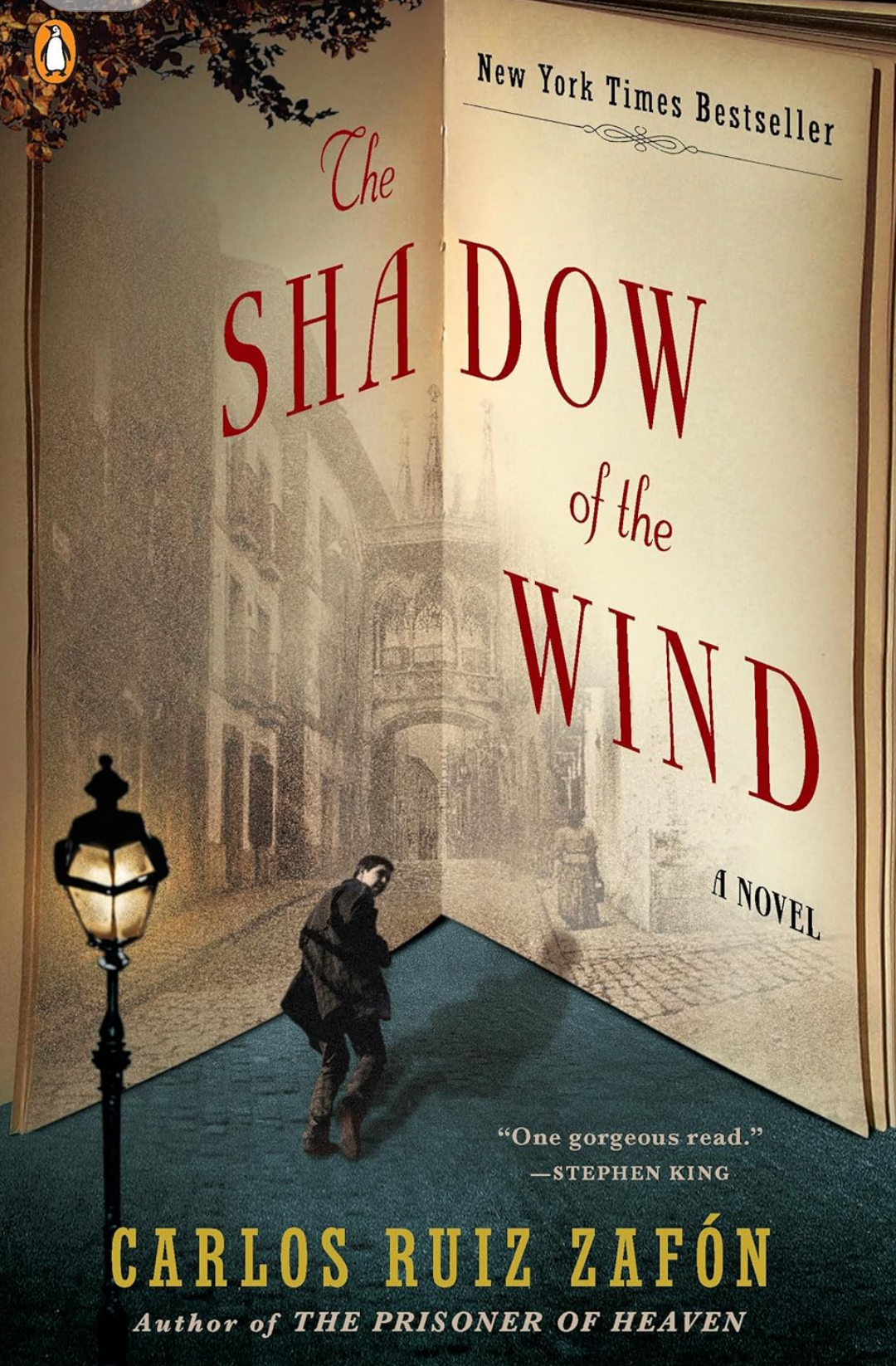
If Green Gables evokes wide fields and open skies, Barcelona’s labyrinthine streets inspire a very different kind of literary wanderlust — one of mystery, intrigue, and ancient walls whispering secrets. The Shadow of the Wind, written by Carlos Ruiz Zafón, became a global bestseller when it was published in 2001, captivating readers with its story of a boy named Daniel Sempere who discovers a forgotten book and is drawn into a web of secrets surrounding its author.
Set in post‑war Barcelona, the novel uses the city itself as a character: its narrow alleys, hidden squares, and storied buildings provide a haunting backdrop that readers continually return to long after the last page.
Fans of Zafón’s novel can quite literally walk the footsteps of Daniel through the Gothic Quarter and beyond, where dedicated literary tours guide visitors through places that inspired scenes in the story: the Rambla de Santa Mònica, Plaça Reial, the Santa Maria del Mar church, and the legendary Cemetery of Forgotten Books (a fictional location that tour guides weave into the narrative of a real walking experience).
These tours, one of the most popular ways to experience Barcelona, blend storytelling with sightseeing. Guides recount passages from the book, point out historic sites, and help travellers see the city’s charm through the lens of Zafón’s prose — an experience that goes well beyond a typical city walk.
The impact of The Shadow of the Wind on tourism has been significant enough that some guides and local operators refer to the phenomenon as the “Zafón Effect.” It has significantly raised interest in Barcelona’s literary side and dedicated scenes that differ from regular architecture or tapas tours.

For many readers, Barcelona as described in the novel feels like a character in its own right — enigmatic, beautiful, and shadowed with history — and visiting the city becomes a way to inhabit that fictional world in a real way.
Aracataca, Colombia — One Hundred Years of Solitude by Gabriel García Márquez
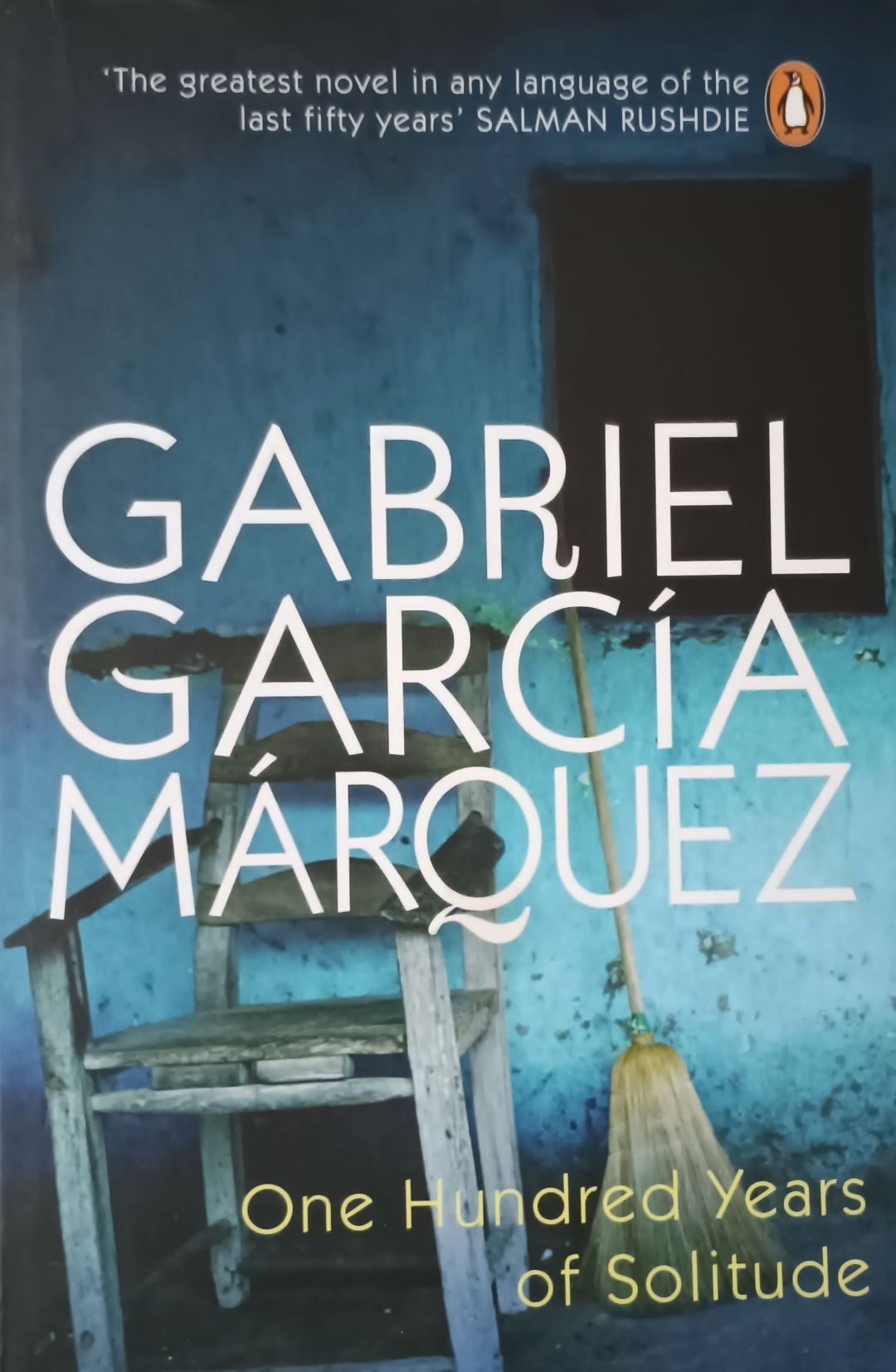
Aracataca is a tropical riverside town in Colombia’s Caribbean region where the influence of fiction on reality becomes almost poetic. The birthplace of Nobel laureate Gabriel García Márquez, Aracataca, is widely recognised as the inspiration for Macondo, the fictional town at the heart of his masterpiece One Hundred Years of Solitude.
The novel’s magical realism follows generations of the Buendía family, weaving the mundane and the mystical into a richly detailed narrative that became one of the most important works of 20th‑century literature.
While Macondo itself is imaginary, the landscapes, weather, rhythms of life, and cultural nuances that García Márquez infused into his writing find echoes in Aracataca’s streets, riverbanks, and neighbourly squares.
Visitors often begin their journey at the Casa Museo Gabriel García Márquez, the childhood home of the author, which has been transformed into a museum showcasing his life, writings, and memorabilia. Spread throughout the town are other points of literary interest, such as the Casa del Telegrafista, another historic house that evokes imagery of the Buendía family setting, and the restored train station that reminds readers of the novel’s early journeys.
Although tourism in Aracataca remains modest compared to major urban centres, it continues to grow steadily as travellers arrive to trace Macondo’s roots, experience the heat and hum of the Caribbean coast, and celebrate the legacy of the author who reshaped global literature.

Festivities around García Márquez’s birthday and literary events also bring readers from around the world, bridging the gap between the mythical world of magic realism and the real rhythms of life in northern Colombia.
Çukurcuma, Istanbul, Turkey — The Museum of Innocence by Orhan Pamuk
In Istanbul’s old quarter of Çukurcuma, visitors find a very different kind of literary destination: a museum that emerged from a novel. Nobel laureate Orhan Pamuk wrote The Museum of Innocence in 2008, a tale set in 1970s to 1980s Istanbul that follows Kemal, a wealthy businessman, and his complex love for a distant relative, Füsun.
What makes this story extraordinary in travel terms is that Pamuk didn’t stop at the book — he created a real Museum of Innocence that mirrors the narrative of the novel, housed in a 19th‑century house in the very neighbourhood where the story unfolds.
Opened in 2012, the museum displays over a thousand objects that correspond to moments, emotions, and details from the book— from cigarette butts to dresses, matchboxes to old photographs. Rather than grand treasures or ancient relics, the focus is on the ordinary items that define intimacy, memory, and longing, that echo the novel’s emotional arc.

What made it truly special was the idea itself — a real museum designed along with a book, so readers could step directly into the story. The museum won the European Museum of the Year Award in 2014, and in its first decade welcomed around 285,000 visitors, nearly half of whom came from abroad — an impressive figure for a niche literary‑inspired site.
For travellers who have read Pamuk’s novel, a visit here is deeply resonant. Walking through the rooms and displays feels like stepping inside the sensibilities of Istanbul in that era, manifesting the city’s social codes, its textures and tensions, and its rhythms of everyday life. For those who haven’t read the novel, the museum itself often becomes a reason to dive into the book afterward, closing the loop between literature and real experience.
In a world saturated with screens and images, these journeys prove something simple and profound: sometimes, the best way to experience the world is to follow the story.